Imagine opening your refrigerator and finding it has already organized your ingredients, suggested tonight's dinner, and reminded you that the spinach will expire tomorrow. No frantic searches, no forgotten produce quietly wilting in the back. That is the new reality in kitchens equipped with smart fridges that use intelligent syncing to reduce meal waste. The technology quietly tracks what you have, what you use, and what you tend to forget, turning a once-static appliance into an active partner in your kitchen routine.
The Everyday Challenge of Food Waste
It happens to almost everyone. You complete a big grocery run with the best of intentions, but by midweek, a few items have slipped your mind. Half a carton of strawberries, two cucumbers, or that leftover pasta sauce ends up in the trash. Food waste not only affects your budget but also contributes to unnecessary environmental strain.
The problem often lies in visibility and timing. Without knowing exactly what is inside your fridge and when it will expire, you are left guessing. This lack of insight leads to overlooked items and avoidable discards.
The Smart Solution: AI-Synced Fridges
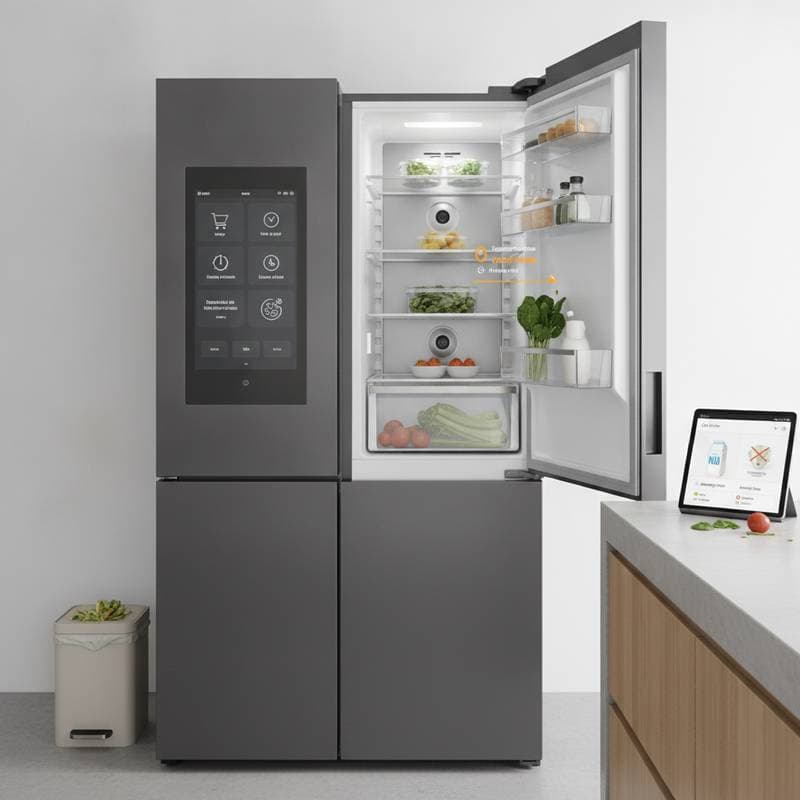
Smart fridges were once considered a novelty, but the newest models have become surprisingly practical. By using cameras, weight sensors, and AI-driven software, these appliances can track inventory in real time. They recognize items placed inside, log their purchase dates, and even estimate expiration windows.
The magic lies in synchronization. Your fridge connects with your smartphone, recipe apps, and sometimes your local grocery service, creating a feedback loop that helps you consume what you buy before it spoils. When paired with meal-planning automation, the experience becomes seamless.
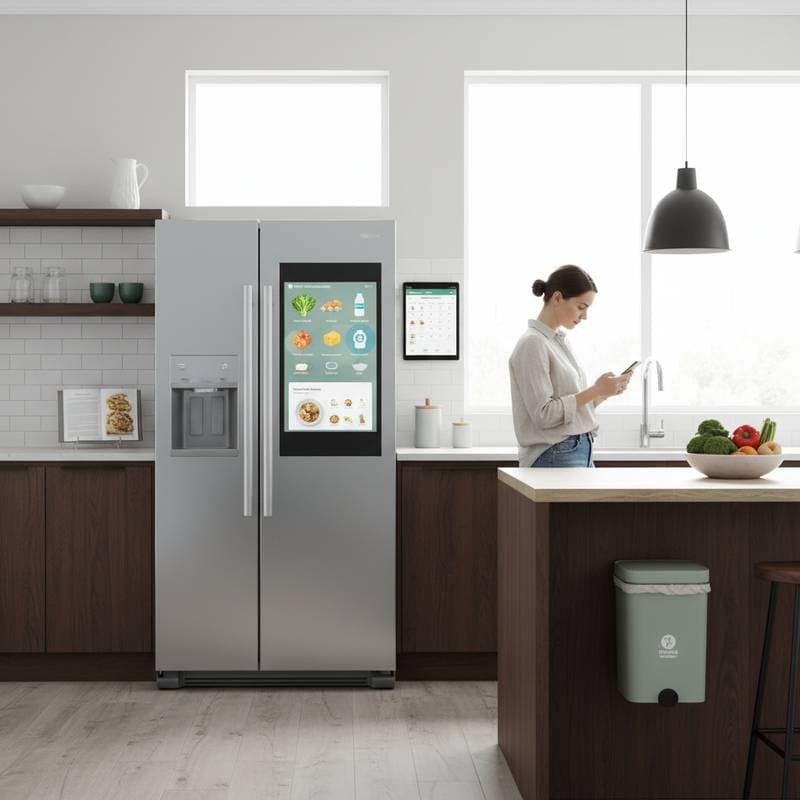
The fridge can suggest recipes based on what you already have, automatically build shopping lists for missing ingredients, and alert you when something needs to be used soon. You no longer need to mentally juggle meal ideas or remember expiration dates. The system quietly manages it all.
How AI Syncing Works Behind the Scenes
At its core, AI syncing combines visual recognition with data learning. When you load groceries, internal cameras scan barcodes or identify common shapes and packaging. The software then matches this data to known food profiles.
Over time, it learns your habits, such as how quickly you go through eggs or how often you buy yogurt. Many models also integrate with digital assistants like Alexa or Google Assistant, letting you ask questions such as, 'Do we still have milk?' or 'What can I make for dinner tonight?'
The fridge's response is based on real-time data. Some systems even sync with online grocery stores to reorder staples automatically when quantities drop below a set threshold. This proactive approach minimizes shortages and excess purchases.
Insider tip: Some premium models use thermal cameras rather than simple visual sensors, allowing better accuracy in identifying covered dishes or unlabelled leftovers. This is the kind of subtle upgrade that makes a real difference for families who batch-cook or store meals in reusable containers.
Comparing Smart Fridge Models
As with any connected appliance, not all smart fridges are created equal. Here are three options that represent different budget levels and feature sets:
-
Budget Option: Hisense H700FSB-WD ($1,199)
This entry-level smart fridge offers Wi-Fi connectivity, a companion app for manual inventory tracking, and temperature optimization. It lacks built-in cameras but syncs with voice assistants, making it a cost-effective step toward automation. Users appreciate its reliability for basic syncing needs. -
Mid-Range Choice: LG InstaView ThinQ ($2,499)
A well-balanced pick that combines internal cameras with AI food recognition. You can tap the glass door twice to illuminate the interior without opening it, reducing energy use. The ThinQ app provides recipe suggestions based on your existing ingredients, and it can sync grocery lists with your phone. -
Premium Selection: Samsung Bespoke Family Hub ($3,999)
This model represents the cutting edge of kitchen automation. It includes advanced AI imaging, a vibrant touchscreen display, and meal-planning software that learns your dietary preferences. It also integrates with Samsung SmartThings for broader ecosystem control, linking your fridge to lighting, cooking, and even cleaning schedules.
Each of these models can reduce food waste, but the premium tier goes further by learning your household's consumption rhythm. If you often buy produce in bulk, the AI will adjust its reminders accordingly, nudging you when it predicts certain foods will soon expire. Consider your daily routines when selecting a model to ensure it aligns with your needs.
Making Smart Meal Planning Work for You
Once your fridge is synced, you can start benefiting from its meal-planning features almost immediately. Here is a simple three-step approach to get the most from your setup:
-
Start with Inventory Calibration
When you first load your fridge, scan or manually confirm key items. This helps the AI establish accurate baselines. Within a few days, it will begin to recognize patterns automatically. -
Enable Recipe Syncing
Connect your fridge to a compatible meal-planning app like Whisk or SmartThings Cooking. These platforms cross-reference your inventory with available recipes and generate ideas that use ingredients before they expire. Experiment with different apps to find the one that best fits your cooking style. -
Use Smart Notifications Wisely
Customize your alert settings so you only receive reminders that matter. For instance, set notifications for produce and dairy, but ignore pantry items that have longer shelf lives. A well-tuned system avoids notification fatigue and keeps you engaged.
Industry insiders often recommend pairing your smart fridge with a connected compost bin, such as the Vitamix FoodCycler ($399). By syncing waste data with your fridge's analytics, you can track how much food you save over time. It is a small but motivating feedback loop that highlights real progress.
Practical Considerations Before You Buy
Before committing to a smart fridge, think about your kitchen's Wi-Fi coverage and available space. These appliances rely on steady connectivity for updates and syncing, so a weak signal could limit performance. You should also confirm compatibility with your preferred digital assistant or smart home ecosystem.
Budget is another key factor. While entry-level models provide basic tools, the most effective waste-reduction features often appear in mid to high-tier units. Expect to spend between $2,000 and $4,000 for a fridge with full AI syncing and integrated meal planning.
Installation is generally straightforward, but professional delivery ensures proper calibration and safe electrical setup. Safety should never be overlooked. Always check that your fridge's firmware updates automatically.
Regular updates help maintain food safety by ensuring temperature sensors and cameras function accurately. Some manufacturers also include antimicrobial coatings on internal surfaces, a subtle but valuable feature for hygiene. Review product specifications to verify these elements before purchase.
The Broader Benefits of Smarter Food Management
The appeal lies in more than just reducing waste. Over time, AI syncing can reshape your entire relationship with food. You begin to shop more intentionally, cook more creatively, and save money without thinking about it.
Families report spending less on groceries and throwing away half as much food after just a few months of consistent use. It is not just about technology; it is about creating smoother routines that support your lifestyle. The quiet hum of a connected fridge, the soft glow of its touchscreen, and the satisfaction of using every ingredient you buy all add up to a calmer, more efficient kitchen experience.
Integrating Smart Fridges into Daily Routines
If you are ready to transform your kitchen into a smarter, more sustainable space, start by assessing what you truly need from a fridge. Think about your cooking habits, household size, and comfort with connected devices. Then explore options that match your priorities.
With the right setup, your fridge becomes far more than a cold box for storage. It becomes a thoughtful assistant that helps you plan, cook, and live with less waste and more intention. Every time you open the door and find exactly what you need, you will feel the quiet satisfaction of technology working in harmony with your daily life.
FAQs
What is the average cost savings from using a smart fridge to reduce food waste?
Households typically save 20 to 30 percent on grocery bills by minimizing waste, depending on family size and shopping habits.
Do smart fridges require constant internet access?
Yes, reliable Wi-Fi is essential for real-time syncing, recipe suggestions, and automatic updates, though basic cooling functions operate offline.
How accurate is the AI in recognizing food items?
Most models achieve 85 to 95 percent accuracy after initial calibration, improving with use as the system learns your inventory patterns.
Can smart fridges integrate with non-Samsung or LG ecosystems?
Many support universal standards like Alexa or Google Assistant, allowing broad compatibility across smart home devices.