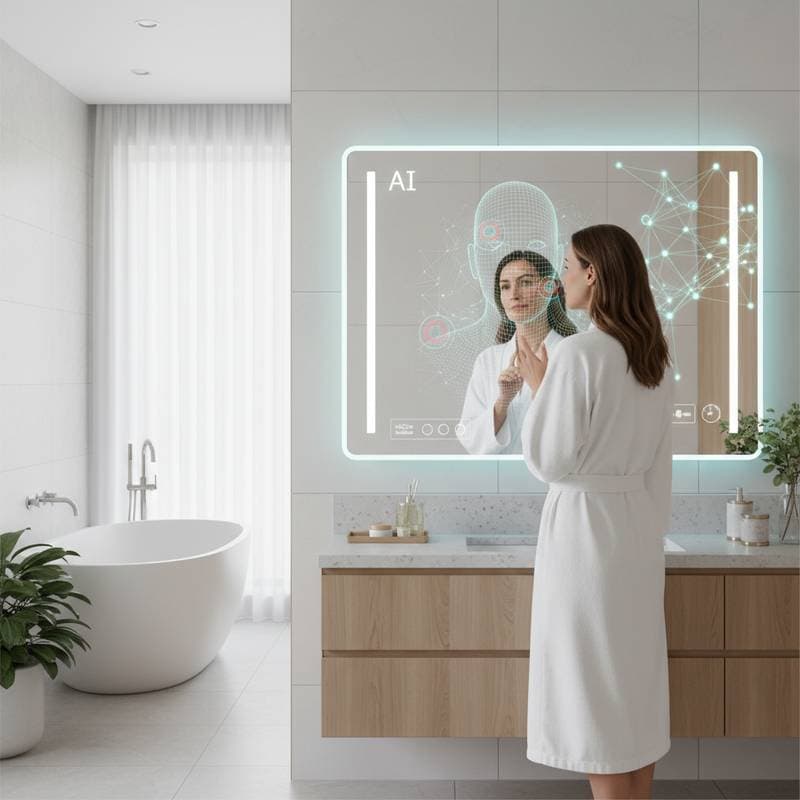
Smart Mirrors Enable At-Home Skin Cancer Detection
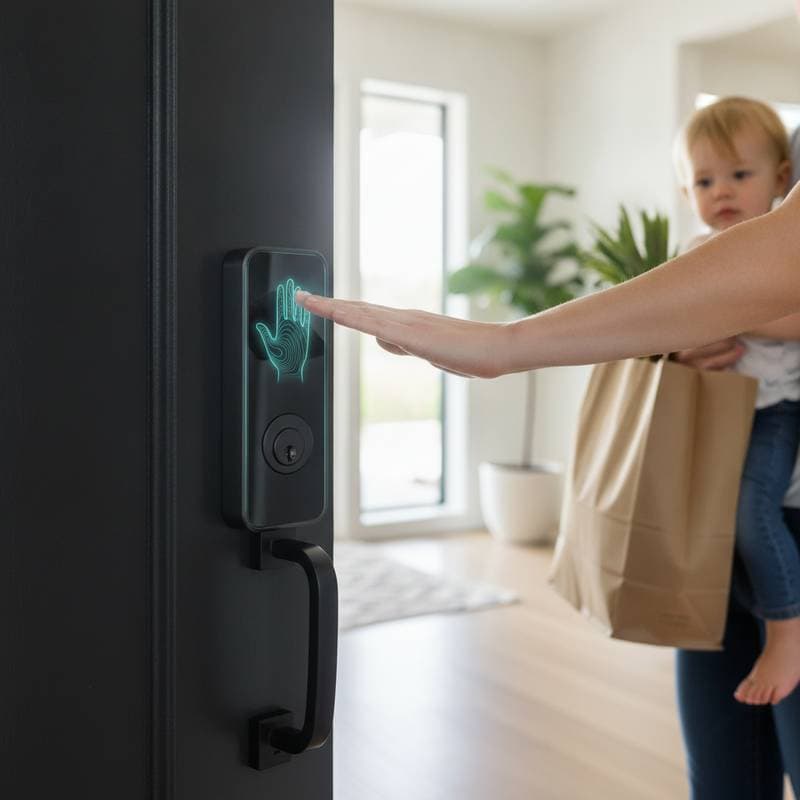
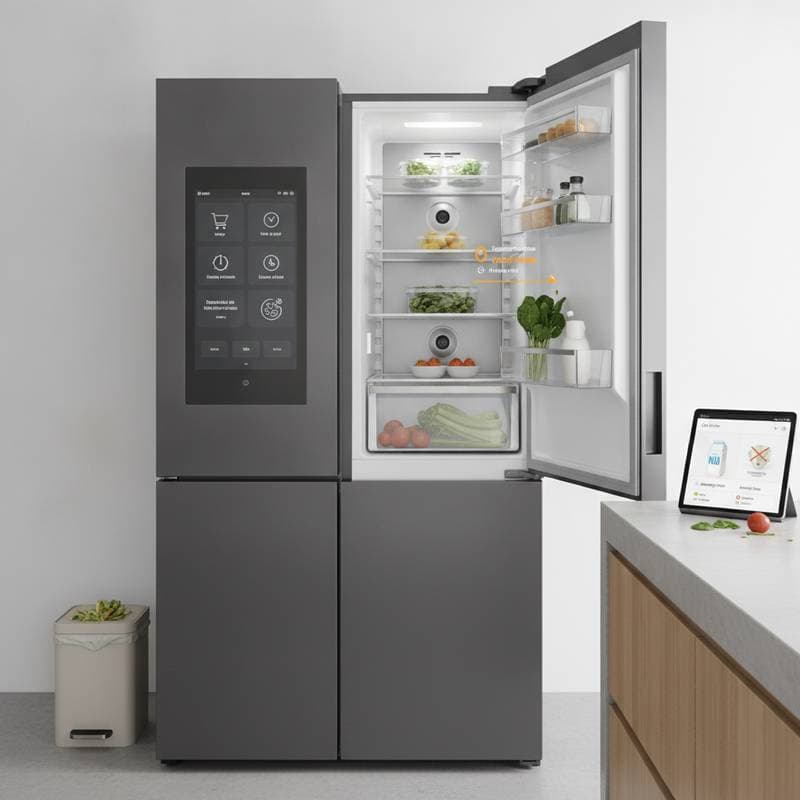
Nearly half of households now own at least one smart health device, which demonstrates the growing integration of everyday wellness with connected technology. The latest advancement in this field is the smart mirror, a device that extends beyond simple reflection during morning routines. These intelligent surfaces are being developed to detect early signs of skin cancer, thereby revolutionizing personal health monitoring without the need to leave home.
The Problem with Traditional Skin Checks
Early detection remains essential for effective skin cancer treatment, yet many individuals neglect regular screenings. Scheduling appointments often proves time-consuming, and subtle changes in moles or skin tone frequently go unnoticed. Although dermatologists recommend self-examinations, most people lack the necessary tools or expertise to identify potential issues. Smart mirrors address this disconnect between knowledge and implementation.
How Smart Mirrors Are Changing the Game
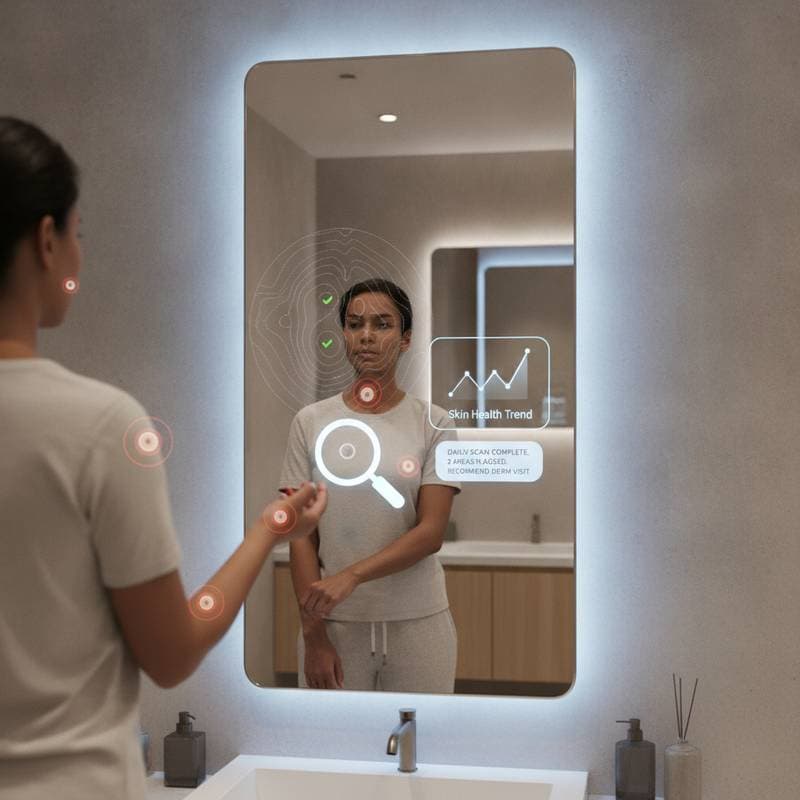
Smart mirrors employ high-resolution imaging combined with machine learning algorithms to examine the skin for abnormalities. As a user stands before the mirror, built-in sensors and cameras record detailed images under multiple lighting conditions. The system analyzes these captures against prior scans, highlighting any subtle variations that could signal emerging problems.
This technology excels in accessibility, allowing users to incorporate skin monitoring into daily activities such as brushing teeth or applying skincare. The mirror functions as a discreet sentinel, observing incremental changes that escape casual observation. Through consistent, unobtrusive assessments, it facilitates earlier identification of concerns, thereby improving treatment outcomes.
Real-World Examples and Emerging Products
Technology firms and health startups invest significantly in smart mirror development. Certain prototypes link directly to mobile health applications, enabling secure data transmission to dermatologists for review. Additional models utilize cloud platforms trained on vast datasets of images, which enhance diagnostic precision with each update.
One innovative design incorporates polarized light to reveal subsurface skin textures invisible to the naked eye. Another draws from a comprehensive database of authenticated dermatological images to distinguish benign spots, such as freckles, from potentially malignant lesions. These features convert the standard bathroom mirror into a reliable health outpost, combining ease of use with professional-level analysis.
Why This Matters for Everyday Life
Smart mirrors transcend mere innovation; they embody a transition to proactive and individualized healthcare. Users shift from responding to visible symptoms toward establishing habits of ongoing vigilance. In remote or medically underserved regions, this capability provides timely alerts when specialist access proves challenging.
Furthermore, the psychological advantages prove substantial. Home-based checks deliver peace of mind during intervals between clinical appointments. This approach encourages personal responsibility for health, seamlessly fusing routine self-maintenance with sophisticated evaluation.
Challenges and Considerations
Despite their promise, smart mirrors cannot substitute for examinations by qualified medical professionals. Diagnostic reliability hinges on factors like image clarity, environmental lighting, and algorithmic sophistication. Engineers focus on reducing erroneous alerts while upholding stringent data privacy standards for image handling and processing. Ongoing dialogue between users and physicians stays crucial amid technological progress.
Affordability presents another hurdle, as initial models carry premium price tags. However, increased market penetration and production efficiencies should lower costs over time. Projections indicate that smart mirrors may soon rival the ubiquity of smart scales or activity trackers in households.
Integrating Smart Mirrors into Your Routine
Smart mirrors illustrate the evolving landscape of residential wellness tools. They embed health insights into familiar habits, delivering information previously confined to clinical settings. By merging practicality, familiarity, and precise analytics, these devices herald an era of intuitive health oversight.
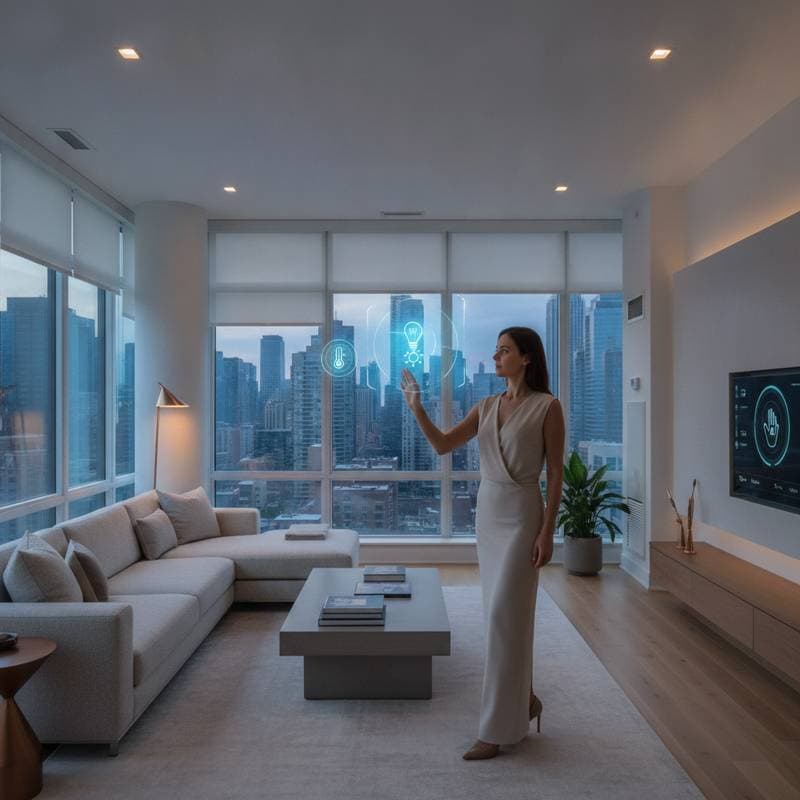
Future iterations will likely synchronize with broader wellness networks, incorporating inputs from wearables, ambient lighting, and environmental controls. Such connectivity fosters a living space attuned not only to physical comfort but also to sustained health protection.