Understanding Smart Fridges
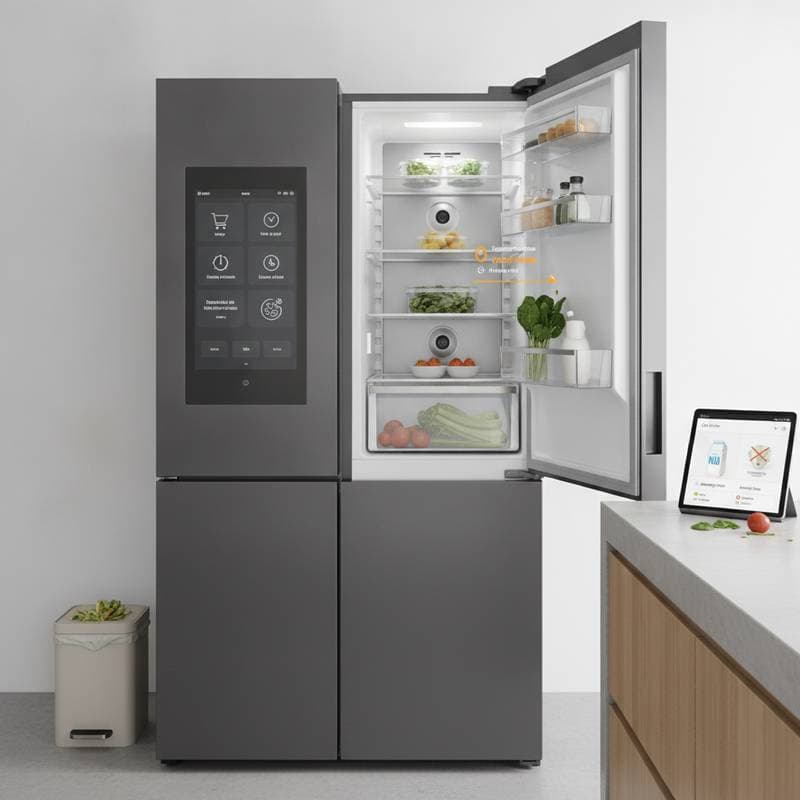
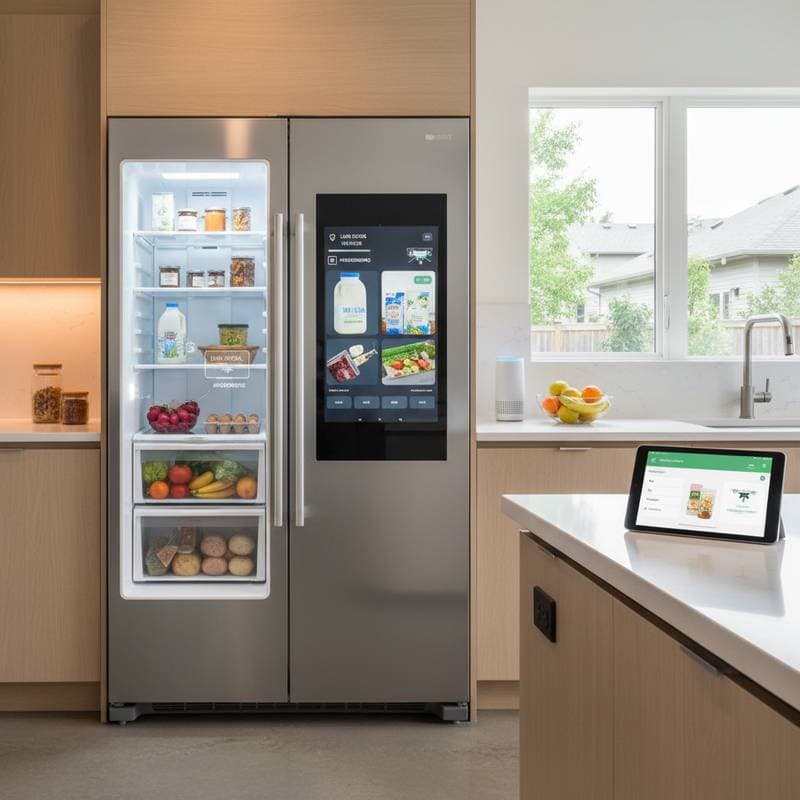
Smart fridges represent the next evolution in kitchen appliances. These devices go beyond basic cooling to incorporate technology that monitors contents in real time. Equipped with cameras, weight sensors, and sometimes RFID tags, they create a digital inventory of items inside.
Users access this information through companion apps on smartphones or tablets. The system identifies produce, dairy, and packaged goods with impressive accuracy. This foundation enables a host of convenient functions that simplify meal planning and shopping.
Tracking Food Inventory
The core feature of smart fridges involves precise inventory tracking. Internal cameras capture images of shelves at regular intervals, often when the door closes. Artificial intelligence analyzes these visuals to recognize items and track expiration dates.
Weight sensors embedded in shelves detect when products diminish or disappear. For example, as milk levels drop, the fridge logs the change and alerts the user. Some models use barcode scanning or manual input for greater precision on unpackaged items.
This tracking extends to waste reduction. The appliance flags nearing-expiry foods and suggests uses before they spoil. Users receive notifications via app or integrated displays, promoting mindful consumption.
Generating Recipe Suggestions
Once inventory data compiles, smart fridges offer tailored recipe recommendations. The system cross-references available ingredients with a vast database of recipes. It prioritizes options that utilize items close to expiration, ensuring nothing goes to waste.
Recipes appear on the fridge's built-in screen or mobile app, complete with step-by-step instructions and nutritional breakdowns. Integration with external databases allows for dietary customizations, such as vegetarian or low-carb preferences. This feature turns routine cooking into an efficient, creative process.
Users benefit from seamless transitions between planning and preparation. The fridge might suggest a stir-fry using leftover vegetables and rice, pulling from current stocks. Such personalization enhances meal variety without added effort.
Automating Grocery Reorders
Automatic reordering elevates convenience to new levels. Smart fridges connect to online grocery services like Amazon Fresh or Instacart. When stock falls below predefined thresholds, the device generates a shopping list and submits orders.
Users set preferences for brands, quantities, and delivery schedules in advance. The system learns from past purchases to refine suggestions over time. For instance, if orange juice depletes weekly, the fridge anticipates and orders a refill proactively.
Security measures protect these transactions, including two-factor authentication and user approval prompts for each order. This automation frees individuals from routine list-making, allowing focus on other priorities.
Seamless Integration with Home Ecosystems
Smart fridges excel in compatibility with broader smart home setups. They pair effortlessly with assistants like Amazon Alexa or Google Assistant. Voice commands enable inventory checks or recipe requests without touching a device.
For example, a user might say, "Ask the fridge what is expiring soon," and receive an instant verbal summary. Integration extends to other appliances, such as ovens that preheat based on selected recipes. This interconnected environment creates a cohesive kitchen workflow.
Networking occurs via Wi-Fi or Zigbee protocols, ensuring reliable communication. Firmware updates keep features current, adding enhancements like energy optimization tied to usage patterns.
Selecting the Ideal Smart Fridge
Choosing a smart fridge requires consideration of needs and budget. Entry-level models, priced around $1,000, offer basic tracking and app connectivity. These suit users seeking simple automation without advanced bells and whistles.
Mid-range options, between $1,500 and $3,000, include touchscreens and voice integration. They provide robust recipe engines and reorder capabilities. Premium units exceed $4,000, featuring 4K cameras, AI-driven analytics, and customizable interiors.
Key factors include capacity, energy efficiency ratings, and compatibility with existing smart devices. Reviews highlight reliability in tracking accuracy and app usability. Test models in stores to assess interface intuitiveness.
- Assess kitchen space and family size for capacity.
- Verify integration with preferred voice assistants.
- Check subscription requirements for reorder services.
- Evaluate warranty coverage for tech components.
Realizing Everyday Benefits
Adopting a smart fridge yields tangible improvements in daily life. Time savings emerge from automated tasks, allowing more moments for family or hobbies. Reduced food waste translates to cost savings, with studies showing up to 30 percent less spoilage in equipped households.
Health benefits arise from encouraged balanced eating through recipe prompts. The device promotes awareness of nutritional intake without judgment. Environmentally, less waste contributes to sustainability efforts.
Looking ahead, advancements promise even greater intelligence, such as predictive shopping based on calendars or health data. Smart fridges position kitchens as efficient hubs, blending technology with practicality for lasting impact.