Visualize Opening Your Refrigerator to Find Precisely What You Require
You return home after a demanding day and open your refrigerator, anticipating ingredients for dinner. Instead, you encounter partial condiments, wilted spinach, and an empty egg container. This scenario prompts either discarded food or an impromptu store visit. Imagine if your refrigerator addressed this issue by restocking necessities before depletion becomes evident.
This capability defines the latest AI-powered smart refrigerators. These units exceed basic cooling; they monitor stored items, track expiration dates, and reorder groceries autonomously. Although the concept appears advanced, the technology exists and advances rapidly. For those aiming to minimize food waste, conserve time, or maintain kitchen order, smart refrigerators reshape modern food management.
Addressing Common Challenges in Food Storage and Waste
Households frequently face difficulties in managing food supplies. Items shift to the rear, overlooked until spoilage occurs. Grocery excursions lead to redundant purchases due to uncertain stock recall. Research indicates substantial grocery portions are discarded annually, imposing significant financial burdens on families. Beyond waste, the process proves aggravating.
Conventional refrigerators provide minimal assistance. Models with touchscreen interfaces or displays rarely achieve genuine intelligence. Users must manually monitor contents, plan meals, and procure supplies. AI-driven automation intervenes through sensors, cameras, and cloud learning to alleviate this cognitive burden.
Mechanisms of AI Refrigerators in Operation
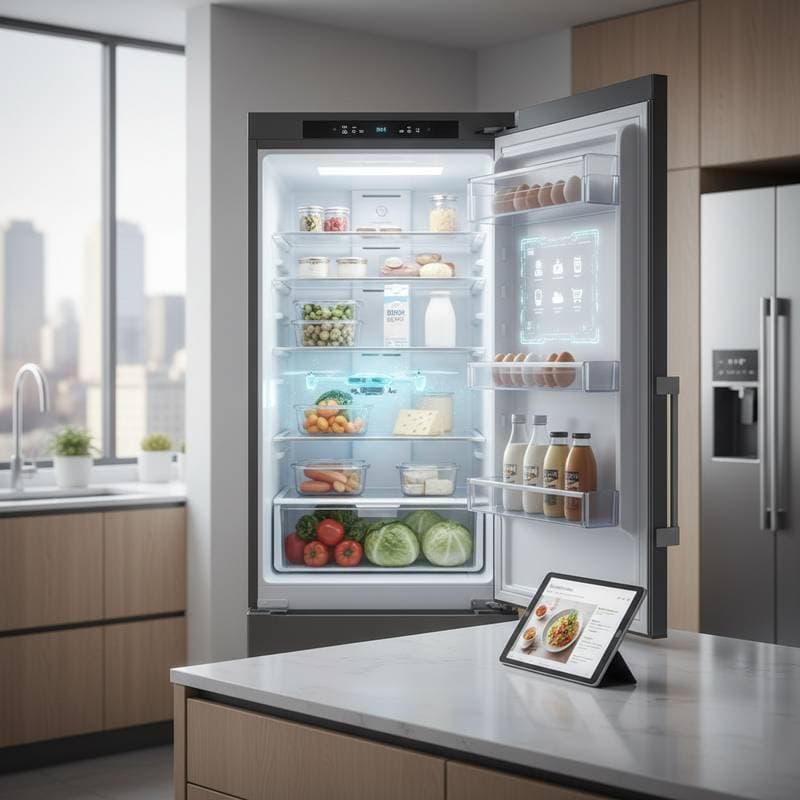
Smart refrigerators equipped for grocery ordering employ computer vision, barcode scanning, and inventory algorithms to catalog contents. Certain models deploy internal cameras that photograph interiors upon door closure. Software analyzes these images against product databases to assess item presence, quantities, and freshness.
Upon detecting low stock or impending expiration, the system alerts via app or voice assistant. With automatic ordering enabled, it submits purchases to partnered retailers or delivery providers. Users may review orders prior to finalization or permit full autonomy.
These systems enhance accuracy over time. AI analyzes consumption patterns to forecast restocking needs. It adjusts for seasonal variations, such as increased produce in summer or soup staples in winter. Consistent interaction refines personalization and precision.
Leading Models in the Smart Refrigerator Category
Smart refrigerators progress from experimental devices to essential appliances. The following selections highlight prominent options.
1. Entry-Level Selection: LG Smart InstaView LSXC22396S (Approximately $1,999)
This unit features Wi-Fi access, a knock-activated transparent panel, and LG ThinQ app integration. It lacks complete AI grocery automation but enables inventory monitoring and expiration notifications. For individuals initiating smart kitchen adoption, it offers accessible features without excessive demands.
Compatibility: Integrates with Alexa and Google Assistant
Best Suited For: Households exploring smart capabilities prior to advanced automation
2. Mid-Tier Option: Samsung Family Hub RF28A9771SR (Approximately $3,499)
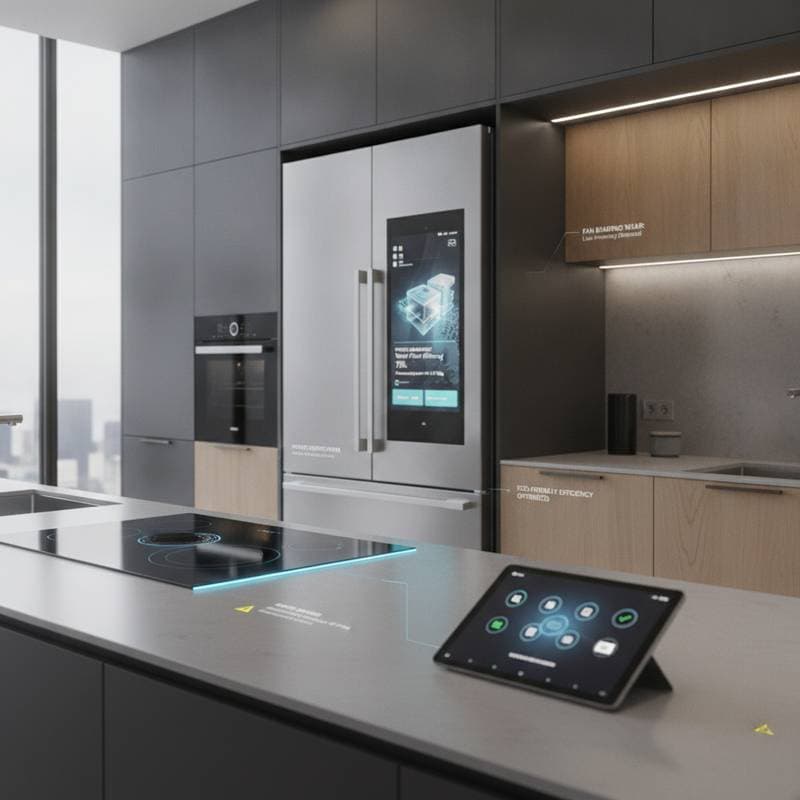
The Family Hub series by Samsung excels in innovation. Internal cameras identify numerous grocery items, while the SmartThings app links to e-commerce platforms for restocking. It generates recipe ideas from current contents. The expansive touchscreen serves as a centralized family hub, blending utility with engagement.
Compatibility: Supports Alexa, SmartThings, and various delivery services
Best Suited For: Families handling diverse schedules and shopping requirements
3. High-End Choice: LG Signature InstaView with AI Vision (Approximately $6,999)
LG Signature employs sophisticated AI Vision to recognize up to 200 food varieties. It proposes meals, automates reorders, and optimizes internal zones by contents. Premium construction includes stainless steel, voice commands, and quiet performance.
Compatibility: Works with Alexa, Google Assistant, and LG-specific ordering
Best Suited For: Users desiring comprehensive smart kitchen synergy
Step-by-Step Process of Automatic Grocery Ordering
Linking a smart refrigerator to a grocery service yields efficient results. The sequence unfolds as follows:
- Setup Phase: Connect the companion app to your grocery account or preferred retailer. Systems often partner with prominent online grocers or local deliverers.
- Adaptation Interval: AI observes purchases and usage rates. Users verify or modify suggestions during this period.
- Stock Oversight: Cameras and sensors monitor items continuously, updating digital inventories.
- Alert Generation: Threshold breaches trigger notifications through apps or assistants.
- Order Execution: Enabled systems complete purchases, schedule deliveries, and process payments via stored details.
Certain refrigerators synchronize with smart pantry tools or scales for kitchen-wide tracking, encompassing dry goods and frozen items.
Advanced integration with apps like Whisk or Yummly enables recipe suggestions from available stock and automated procurement of shortages. Filters for diets or portions further curb waste and promote nutrition.
Essential Factors for Purchasing an AI Refrigerator
Evaluate these elements to select a suitable model aligned with your needs and finances.
1. Financial and Installation Aspects
Prices span $1,800 for basic units to exceed $7,000 for advanced automation. Installation typically proves simple, though professionals may assist with smart home linkages or electrical updates. Verify if vendors include setup services.
2. Data Privacy Measures
Image capture and external sharing raise security issues. Select models with encryption and manual cloud controls. Opt for local storage if preferred, and scrutinize connected service policies.
3. Integration with Existing Systems
Choose refrigerators compatible with your smart home setup, such as Alexa or Google Home. This enables voice directives like adding items to lists or querying contents without app access.
4. Upkeep Requirements
Calibrate cameras and sensors periodically. Wipe lenses gently and install firmware updates quarterly. Organized shelving enhances recognition; prevent sensor obstruction.
5. Efficiency Ratings
Energy Star certification prevails, mitigating initial expenses. Adaptive cooling and defrost features lower usage. Anticipate $60 to $100 yearly costs based on habits and rates.
Benefits of AI Ordering in Waste Reduction
Digital inventories eliminate oversight leading to spoilage. Reminders prompt usage of near-expiry items and prevent duplicates. Recipe proposals utilize impending discards effectively.
AI tailors orders to household rates, enforcing portion accuracy. Users often halve spoilage within months through refined habits.
Broader Sustainability Gains
Waste reduction eases landfill pressure and emissions from production and shipping. Paired with efficient cooling, AI refrigerators foster eco-friendly kitchens.
Advancements in Kitchen Automation
AI refrigerators herald interconnected device networks. Ovens may preheat upon ingredient detection, while pantries unify lists with refrigerators.
Retail-appliance collaborations advance, including inventory-synced subscriptions. Systems could secure pattern-based discounts, enhancing value.
Key Developments
- Brand-Specific Identification: Cameras will discern types, brands, and sizes.
- Price Comparison Tools: Units may evaluate options across vendors.
- Assisted Preparation: Voice narration of recipes accompanies lighting and temperature adjustments.
Kitchens transform into adaptive spaces responsive to daily routines.
Steps to Implement Your Smart Kitchen Enhancement
A smart refrigerator streamlines waste reduction and procurement. Prioritize automation level, cooking frequency, household size, and current devices.
Proceed by:
- Evaluate Options: Inspect units at stores or sites, noting interfaces and sensors.
- Verify Connectivity: Confirm Wi-Fi and assistant compatibility.
- Seek Expertise: Engage installers for multi-device setups via technology platforms.
- Phase In Adoption: Select mid-tier if full investment seems daunting; upgrade as needed.
These appliances manage routine tasks discreetly, eliminating rushes and discards. Focus shifts to meal enjoyment amid reliable support.
Embracing AI-Enhanced Kitchen Dynamics
Adopting an AI refrigerator alters food oversight perspectives. Essentials remain accessible, freshness persists, and orders align with patterns. This reliability cultivates convenience and intentionality.
Beyond tools, smart kitchens nurture well-being through waste minimization and minimal oversight. From automation aspirations to basic efficiency, this upgrade promotes sustainable living.
Technology stands prepared. Consider if your kitchen aligns.