Imagine Opening Your Fridge and Finding Dinner Ideas Ready
You open the fridge after a long day and see leftover vegetables, a few eggs, and half a block of cheese. The question of what to cook next often creates hesitation even when ingredients sit ready. Smart refrigerators now remove that uncertainty by scanning contents and offering complete meal suggestions.
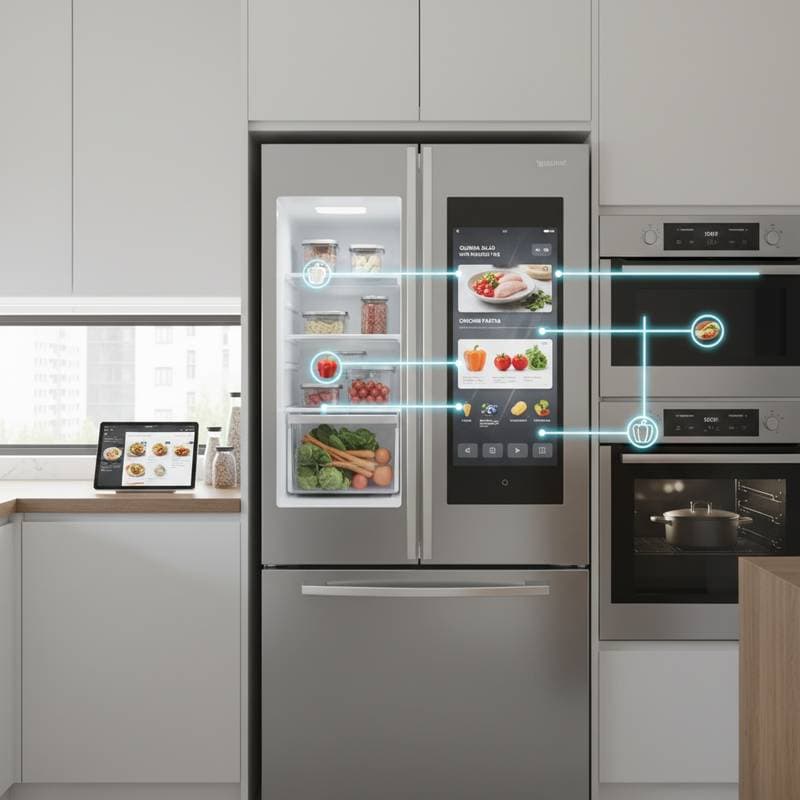
These appliances analyze available items through cameras and software. They match ingredients to recipes while accounting for preferences such as cooking time or dietary needs. The result turns a common daily task into a guided process that reduces waste and simplifies planning.
This approach belongs to the broader category of connected kitchen tools that link appliances with recipe systems. The following sections explain the underlying process, costs, and ways to adopt similar capabilities.
How Smart Refrigerators Generate Meal Suggestions
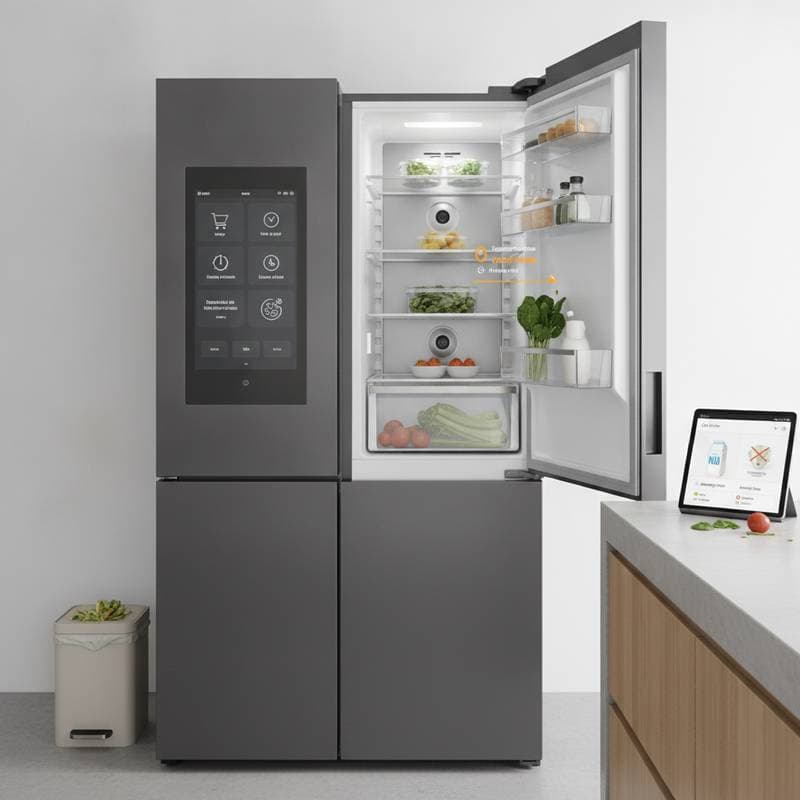
Modern units combine internal cameras, barcode readers, and online recipe libraries to track food items. After the door closes, the system records shelf contents and identifies each product. It then compares those items against recipe collections and filters results according to user settings.
The sequence follows four main steps. First the refrigerator logs every item along with expiration dates. Next it proposes recipes that draw primarily from current stock. The system also notes any missing components and adds them to a shopping list. Finally the companion application provides step-by-step instructions with timing cues.
Advanced models further adjust serving sizes or substitute ingredients to match nutrition goals. Users who track protein intake or avoid certain allergens receive tailored versions of each recipe.
Improving Suggestion Accuracy
Consistent recognition of ingredients determines how useful the recommendations become. Several habits strengthen performance. Store items so labels face forward. Place leftovers in clear containers rather than opaque ones. Review the digital inventory through the app once a week and correct any errors.
Some refrigerators accept connections to external recipe services through open interfaces. This option lets users incorporate additional databases and increase the variety of suggestions beyond the default collection.
Factors to Consider Before Upgrading
Smart refrigerators carry higher initial costs yet deliver savings through lower food waste and better planning. Models in the middle price range often provide the strongest combination of features and durability for most households.
These appliances require reliable wireless connectivity for updates and app functions. A dedicated router or signal extender in the kitchen can maintain steady performance. Compatibility with other household devices should be verified prior to purchase.
Privacy controls matter because the units capture images of stored food. Select models that offer clear data policies and encryption. Local-only operation remains available on many units for those who prefer to limit cloud storage.
Regular maintenance includes firmware checks every few months and cleaning of internal cameras. Obstructions from packaging can reduce scanning reliability.
Options That Add Smart Capabilities to Existing Refrigerators
Several accessories replicate core functions without requiring a full appliance replacement. A compact camera unit priced near one hundred fifty dollars mounts inside a standard refrigerator and feeds inventory data to a recipe application. Free software platforms work with basic sensors to monitor pantry stock and suggest meals. Manual entry tools integrate with delivery services to complete missing ingredients.
These solutions allow households to evaluate the benefits of automated meal planning before committing to larger purchases.
Habits That Strengthen System Performance
Clear labeling on containers helps the camera identify contents quickly. Consistent internal lighting improves image quality when shelves remain organized. Weekly inventory reviews catch misidentified items early. Linking a grocery application lets missing ingredients move directly to shopping lists. Early selection of dietary filters trains the recommendation engine to match household tastes.
Establishing a Connected Cooking Routine
Start by testing one or two accessories to confirm the approach fits daily habits. Once comfortable, evaluate full refrigerator models that align with budget and kitchen layout. Consistent use of the suggested habits ensures the system continues to deliver relevant ideas over time. The combination of accurate tracking and guided recipes turns routine meal decisions into a streamlined part of kitchen life.