AI Plans Meals from Your Fridge Contents
Picture opening your refrigerator to encounter a digital assistant that identifies potential dinner options instantly. This assistant examines your ingredients, incorporates your tastes, and proposes balanced, inventive meals with minimal effort on your part. Such capabilities mark the advancing edge of smart kitchen innovations, where artificial intelligence integrates with routine meal preparation.
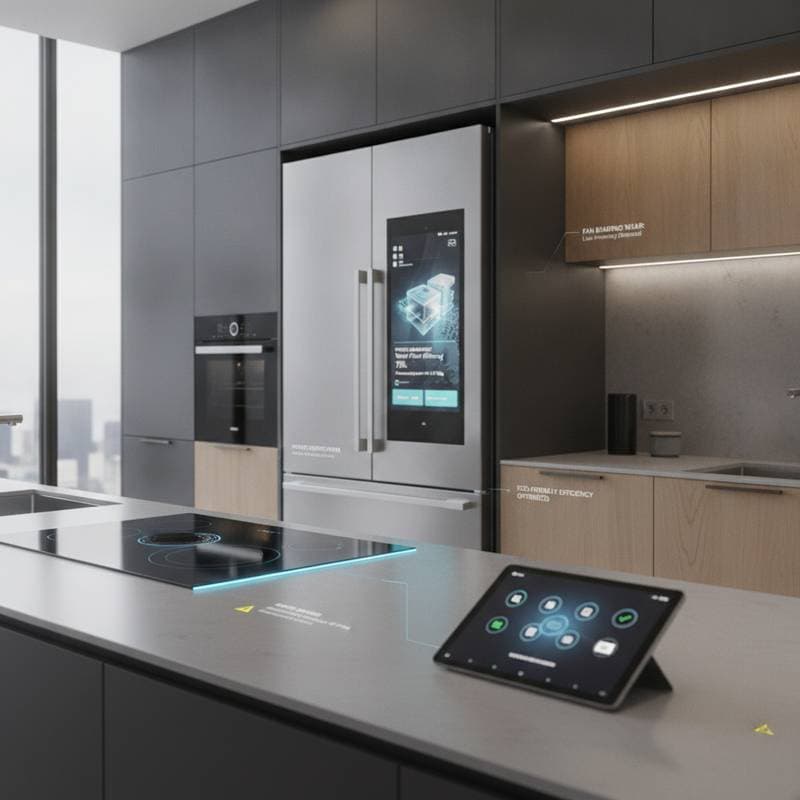
Smart refrigerators have progressed beyond basic preservation tools into dynamic cooking partners. They preserve groceries while monitoring expiration dates, proposing recipes, and generating grocery lists according to frequent usage patterns. As these features develop, they facilitate simpler, healthier, and more efficient home cooking.
Addressing Mealtime Decision Fatigue
Households frequently face the hassle of choosing meals amid packed schedules, dietary needs, and constrained shopping time. Research indicates that individuals often cycle through a limited set of recipes weekly, driven by ease rather than choice. Food waste compounds this issue, as overlooked items spoil, leading to economic and ecological drawbacks.
Smart refrigerators equipped with recipe-planning AI address these pain points. Equipped with cameras, sensors, and analytical tools, they assess available items and suggest meals that optimize existing stock. The aim extends to promoting thoughtful cooking practices alongside greater efficiency.
Mechanics of AI-Powered Meal Planning
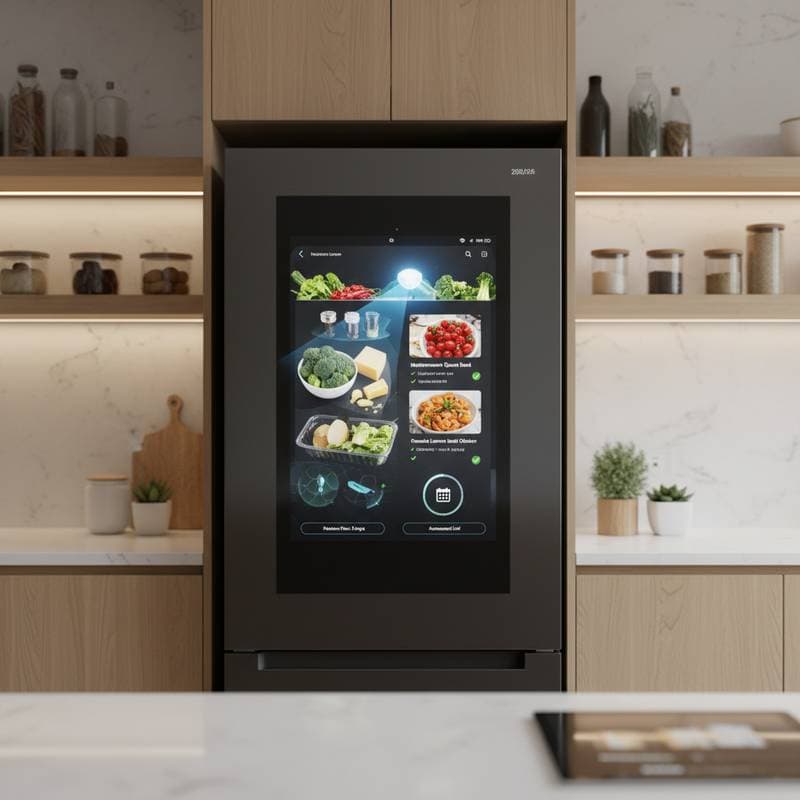
Contemporary smart refrigerators employ computer vision and data analysis to catalog internal contents. Built-in cameras photograph shelves, and algorithms identify items by cross-referencing with nutritional repositories. Linked to a personal profile, the system builds insights from usage trends, such as weekend smoothie preparations or preferences for vegetable-focused evening dishes.
With inventory details established, the refrigerator consults extensive recipe databases to recommend options aligned with available supplies and personal guidelines. Advanced models prioritize suggestions by item freshness, urging the use of nearing-expiration produce first. This yields a bespoke virtual culinary guide that curbs waste and eases choices.
Samsung Family Hub refrigerators, for instance, merge food monitoring with recipe proposals. LG ThinQ technology links fridge contents to compatible ovens for integrated cooking processes. These solutions illustrate a shift toward kitchens that proactively assist rather than merely operate.
Significance of This Technology
AI meal planning offers advantages that surpass mere ease. It influences environmental sustainability, personal wellness, and daily equilibrium. By maximizing household resources, it diminishes excess buying and spoilage. Studies reveal that users of smart kitchen setups discard less food and achieve measurable grocery savings monthly.
Those focused on health benefit from ingredient and nutrition tracking, enabling proposals for targeted objectives like reduced sugar or elevated protein levels. Families can apply settings to curate meals accommodating varied tastes. The mental ease proves substantial, as automating planning conserves cognitive resources for other pursuits and instills routine without added pressure.
Integration Within Connected Ecosystems
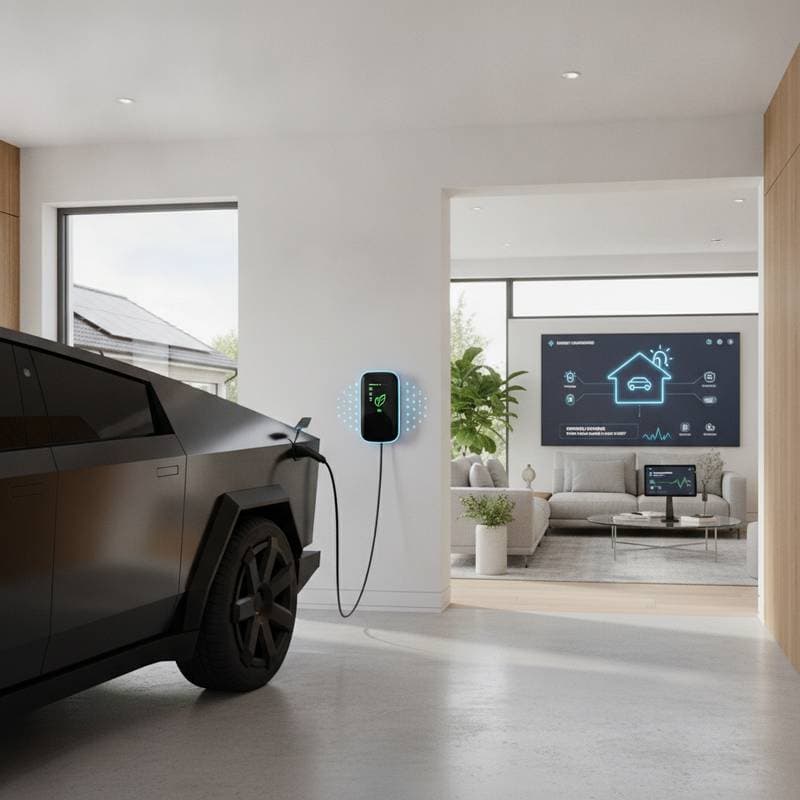
A smart refrigerators effectiveness amplifies in a unified smart home framework. Connections to voice assistants, intelligent ovens, and delivery platforms form an efficient cycle. Consider querying a voice device for dinner ideas, selecting a recipe, and having the oven initiate preheating. For absent items, the refrigerator updates a collective shopping list or initiates orders via affiliated services.
Interoperability drives this evolution. Users seek devices that collaborate fluidly across brands. Protocols such as Matter enable this unity, fostering homes that operate intuitively as integrated wholes rather than disjointed elements.
Practical Examples from Leading Brands
Prominent manufacturers deliver these functionalities today. Samsung SmartThings Cooking synchronizes fridge stocks with planning applications to produce weekly menus and procurement lists. LG ThinQ Recipe employs recognition software for recipe ideas and coordinates with ovens to set precise temperatures and durations automatically. Whirlpool Yummly integrates with appliances to provide step-by-step guidance adapted to on-hand ingredients.
These developments highlight the kitchens swift metamorphosis. From initial screens and alerts, systems now predict and adapt to user behaviors. The refrigerator emerges as the pivotal control point in an interconnected culinary space.
Navigating Adoption Challenges
Adoption faces hurdles despite evident potential. High costs position smart refrigerators as luxury items, deterring budget-conscious buyers. Data privacy arises as a concern, given that monitoring tools gather personal information on consumption habits.
Companies respond with robust security measures, clear usage policies, and flexible pricing. Options now include disabling data transmission or restricting operations to device-local computations. Recognition precision poses another issue, with occasional misidentifications like confusing spinach for herbs. Ongoing software enhancements and learning algorithms steadily improve reliability.
Balancing Automation with Human Creativity
Automation advances do not diminish personal involvement. AI meal planning augments rather than supplants ingenuity. By managing inventory oversight and recipe searches, it liberates time for culinary exploration.
Envision accessing your refrigerator to receive mood-aligned, schedule-suited, and goal-oriented meal prompts. A hectic evening might prompt a fast salad assembly, while a leisurely day suggests an elaborate bake.
Emerging Directions in Smart Kitchen Technology
Future iterations promise enhanced predictive functions. Refined AI will forecast preferences, incorporate seasonal availability, and interface with fitness trackers for wellness-optimized suggestions.
Commerce ties will deepen, enabling automatic replenishment of essentials with sustainable sourcing preferences. As adoption rises, emphasis will shift to holistic platforms over isolated tools. Kitchens will evolve into adaptive intelligence cores attuned to family dynamics.
Embracing a Smarter Kitchen Routine
For prospective users, smart refrigerators deliver tangible gains: reduced spoilage, diminished planning burdens, and heightened culinary motivation. Early implementers already experience these outcomes, and declining costs signal broader accessibility.
If meal orchestration feels burdensome yet cooking brings joy, or if sustainability matters amid tracking difficulties, this technology reshapes routines. Kitchens transform from task zones into anticipatory spaces that align with lifestyle needs. The shift from novelty to essentiality gains momentum, with the refrigerator at the forefront.