Smart Fridges Bring Automatic Grocery Reordering to Everyday Kitchens
Smart homes increasingly integrate technology that anticipates user needs, and the kitchen stands at the forefront of this transformation. The latest smart refrigerators function as intelligent assistants, monitoring inventory levels, recommending recipes, and initiating automatic reorders for depleted items. These appliances, once confined to high-end showrooms, now operate unobtrusively in homes worldwide, adapting to individual routines to streamline daily tasks.
Automatic grocery reordering addresses a fundamental challenge in household management. As consumers adopt connected devices, these refrigerators shift from mere storage solutions to essential tools that influence shopping patterns and meal preparation. The result marks a practical evolution in home automation, where technology supports rather than complicates routine activities.
Tracing the Development of Smart Refrigerators
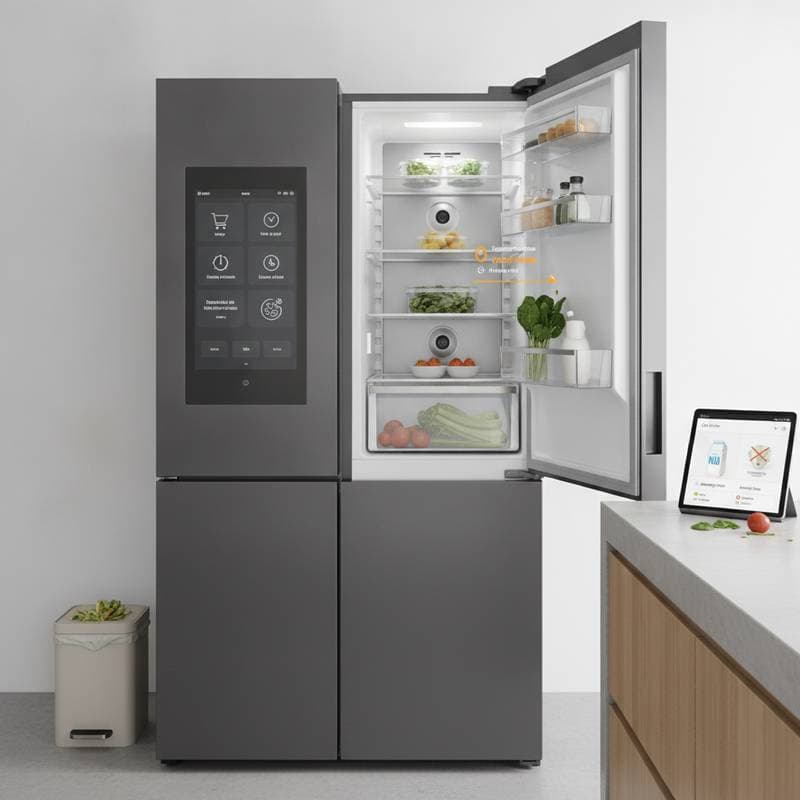
Initial smart refrigerators offered limited features, such as touchscreens for basic controls and simple recipe displays better suited to mobile devices. Advances in sensor technology, voice integration, and data processing have since elevated these units to dynamic inventory managers. Current models employ internal cameras to scan contents, assess freshness, and interface with delivery services for seamless restocking.
This progression emphasizes user-friendly design. The cameras capture images upon door closure, updating a digital catalog that tracks consumption patterns. When supplies dwindle, the system prompts orders through connected retailers, eliminating manual tracking and impromptu errands. Such capabilities deliver effortless utility that integrates into daily life without fanfare.
Key Advantages of Automatic Reordering Features
Households dedicate significant time to grocery planning amid competing demands like work schedules and nutritional goals. Smart refrigerators mitigate this burden by maintaining accurate, real-time inventories and forecasting requirements in advance. This proactive approach ensures supplies remain adequate, fostering reliable meal execution.
Families benefit from reduced oversights in ingredient procurement, while individuals with solitary lifestyles gain assurance in consistent stocking. The systems also monitor expiration dates, proposing recipes to utilize aging items and thereby curbing waste. This convergence of practicality, ease, and environmental responsibility underscores the value of these appliances.
Understanding the Underlying Technology
Smart refrigerators operate through an array of sensors, imaging devices, and cloud algorithms that analyze usage over extended periods. Each door interaction triggers a content scan, which the software reconciles with historical data to anticipate shortages. This process enables precise predictions, such as the depletion timeline for dairy or produce.
Integration with grocery platforms facilitates direct ordering upon detection of low stock. Users receive notifications for approval via app or voice, preserving oversight in the automation. Broader ecosystem connectivity extends this functionality, linking the refrigerator to assistants, mobiles, and vehicles for coordinated logistics like delivery scheduling.
The unified platform approach minimizes fragmentation. Rather than standalone applications, the refrigerator serves as a nexus, harmonizing data across devices to optimize household operations. This interconnected framework elevates the kitchen to a command center for sustenance and scheduling.
Prominent Brands and Practical Implementations
Leading manufacturers incorporate automatic reordering in premium lines. Samsung's Family Hub refrigerators utilize interior cameras and retailer partnerships to automate restocking, syncing with services like Instacart for prompt fulfillment. LG's ThinQ series complements this with recipe-driven lists that identify gaps and execute orders accordingly.
Emerging companies offer retrofit options, equipping standard refrigerators with add-on sensors for inventory tracking. These solutions extend smart capabilities to existing setups, enhancing accessibility without full replacement. Retailers contribute through APIs tailored for device integration, accelerating the path from detection to delivery.
Market projections indicate widespread normalization of these features. As partnerships deepen, automatic replenishment evolves from luxury to expectation, reshaping consumer interactions with food procurement.
Trends in Consumer Acceptance and Market Expansion
Surveys reveal growing enthusiasm for kitchen automation, with many households already incorporating connected devices. Refrigerators represent an intuitive starting point due to their frequent use and centrality to nutrition. This familiarity drives initial adoption, building confidence in broader smart home applications.
Factors like time savings and expense reduction propel uptake. By curbing unnecessary purchases and promoting habitual efficiency, these systems yield tangible financial gains. Maturing technology further demystifies the process, rendering it dependable and approachable for diverse users.
Extended Practical Advantages
Beyond basic ease, automatic reordering supports nutritional oversight and ecological goals. Devices alert users to impending spoilage, curate balanced menus, and highlight potential allergen mismatches based on stored profiles. Such functionalities position refrigerators as comprehensive wellness aides.
Advanced models interface with health trackers to evaluate dietary composition from inventory data. Parental safeguards enable monitoring of selections, restricting access to specific items. These elements transform the appliance into a multifaceted partner in lifestyle management.
Addressing Potential Drawbacks
Connected devices introduce concerns regarding data security, affordability, and interoperability. Personal shopping details require robust protection to maintain trust. Manufacturers prioritize encryption and transparent policies to safeguard information.
Upfront costs for advanced units persist, though economies of scale lower barriers over time. Ecosystem compatibility demands attention; mismatched services undermine utility. Industry efforts toward universal protocols and wider integrations resolve these issues progressively.
Despite obstacles, progress accelerates. Refinements in customization will allow refrigerators to adapt not only to needs but to preferred procurement styles, enhancing personalization.
Advancing Intelligence Through AI Integration
AI refines these systems by recognizing user distinctions, adapting to preferences, and modulating orders contextually. The technology differentiates routine consumption from exceptional events, such as adjusting for gatherings versus daily use. This adaptability ensures relevance and precision.
On a macro level, aggregated data informs supply chain efficiencies, mitigating waste through better forecasting. This symbiotic dynamic aids producers in aligning production with demand, fostering sustainable practices across the sector.
Envisioning Tomorrow's Kitchen Dynamics
Picture a refrigerator that detects low yogurt stock, proposes complementary varieties based on past choices, and arranges replenishment in tandem with your calendar. Linked appliances, from ovens to pantries, synchronize to execute plans autonomously. This integrated setup anticipates requirements, streamlining household rhythms.
Such orchestration already emerges in select homes. Expanding networks will embed the refrigerator within a cohesive system overseeing diet, finances, and logistics. The result: a responsive environment that elevates proactive living.
Broader Impacts on Environment and Daily Routines
Efficient inventory control directly counters food waste, cutting emissions from landfills and conserving resources. Precise ordering prevents excess accumulation, promoting mindful consumption. Households realize dual gains in sustainability and budget adherence.
Routine enhancements prove equally compelling. Professionals reclaim time from list-making, parents establish steadier patterns, and health-conscious individuals track progress quantitatively. These shifts cultivate intentional habits that amplify well-being.
Steps to Integrate a Smart Refrigerator
Prospective users should evaluate needs: opt for a comprehensive model or a sensor upgrade for current equipment. Assess alignment with shopping habits, service preferences, and automation tolerance. Compatibility checks ensure seamless operation with existing tools.
Verify app-based controls and retailer linkages pre-purchase. Most systems acclimate quickly, discerning patterns within a week to deliver evident benefits. This deliberate approach maximizes the upgrade's impact.
Embracing Proactive Household Efficiency
Automatic grocery reordering in smart refrigerators signals a paradigm where homes intuitively fulfill essential functions. Kitchens emerge as the pinnacle of intelligent design, forecasting and facilitating with precision. This evolution promises sustained enhancements in convenience, health, and resource stewardship.