AI Fridges That Plan Meals From Your Pantry
A refrigerator can keep food cold, but it cannot usually tell you what to cook with the ingredients inside. That is beginning to change. New smart fridge cameras and meal planning tools can identify groceries, track what may be running low, and suggest dishes based on what is already at home.
For households juggling busy schedules, the appeal is easy to grasp. Instead of buying another jar of sauce you already own or letting vegetables wilt unnoticed, you can get a clearer picture of your pantry and a practical nudge toward dinner. The technology still needs human oversight, but it is making the kitchen more responsive to everyday habits.
From Fridge Camera to Dinner Idea
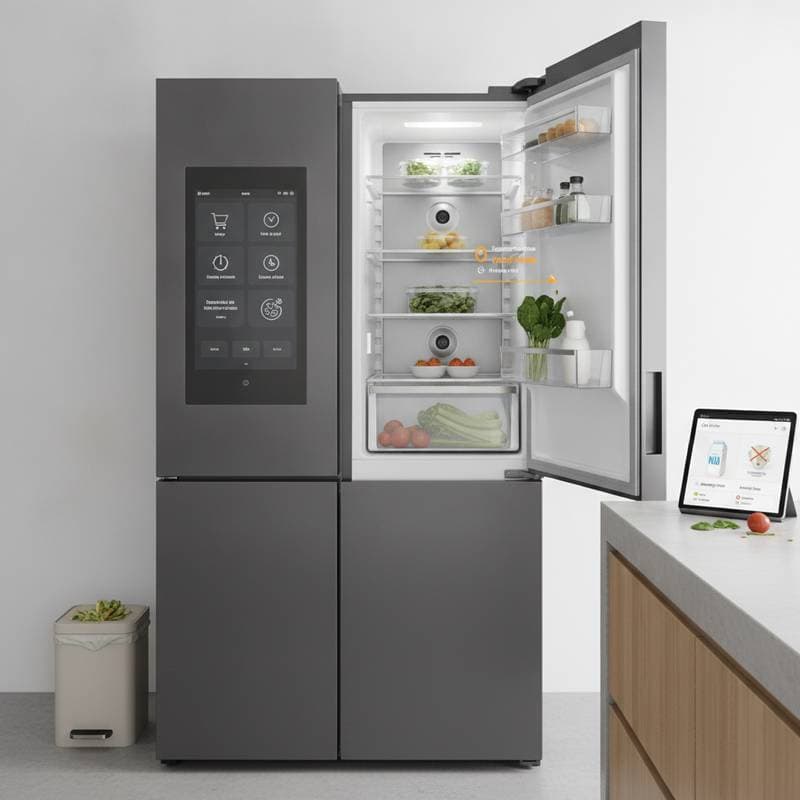
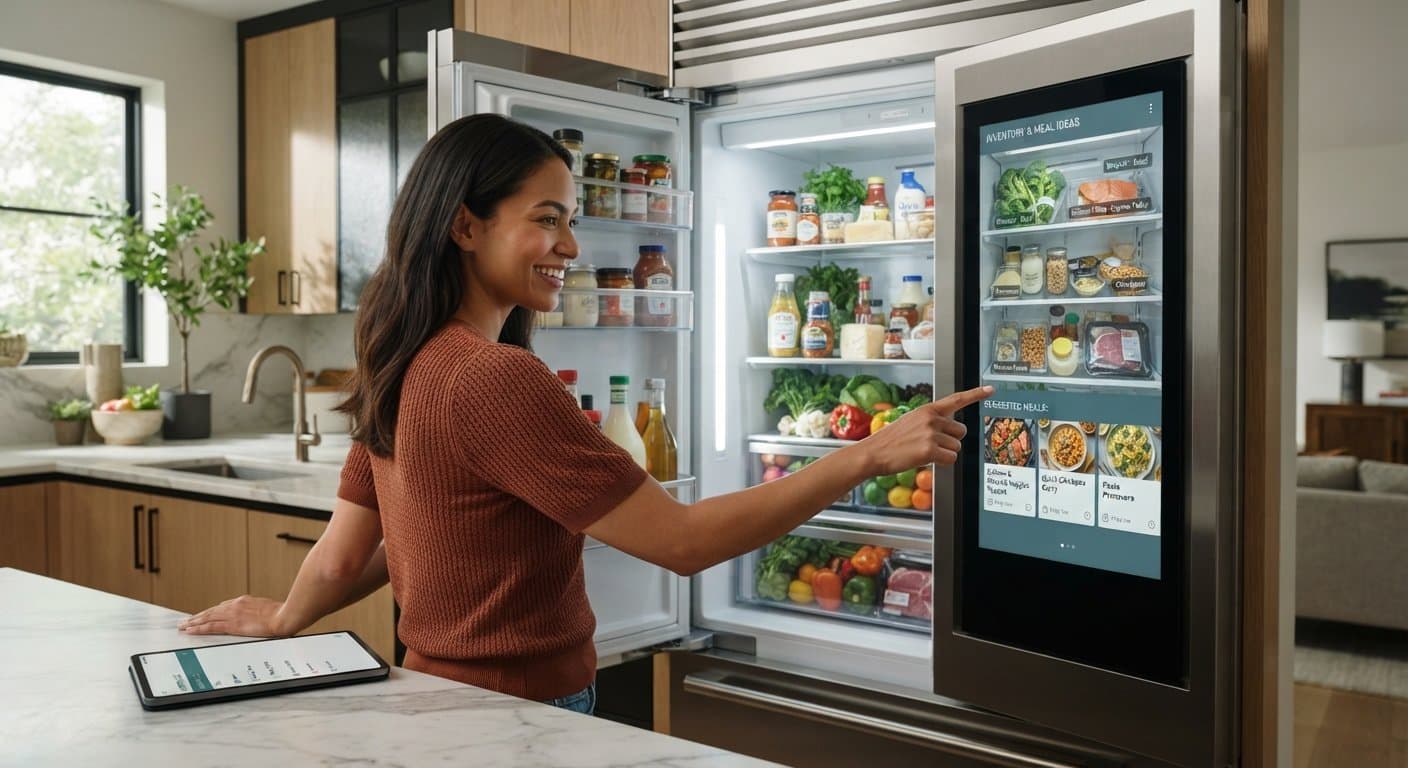
A smart fridge camera takes images of the refrigerator interior, often when the door closes or when a user checks the contents through an app. Software then tries to recognize items such as milk, produce, jars, and packaged foods. Some systems combine those images with items you enter manually, giving the meal planner a broader view of what is available.
That inventory can feed a recipe suggestion feature. Tell the app you have eggs, spinach, rice, and a few pantry staples, and it may propose a frittata or a quick rice bowl. Some tools also let you note dietary preferences, serving sizes, or ingredients you want to avoid.
The important shift is that meal planning can start with what you own, rather than a recipe that sends you out to buy half its ingredients. For a weeknight cook, that could mean fewer decisions and less last minute shopping.
Why Pantry Awareness Matters
Food waste often begins with a familiar problem: people forget what they bought. A container gets pushed behind leftovers, herbs are overlooked in a drawer, or a duplicate item ends up on the grocery list. A digital inventory can make those ingredients easier to remember and use.
The benefits are practical rather than magical. A fridge camera will not know every item with certainty, especially when packaging hides its contents or groceries are stacked together. Still, a visual reminder can help you check what is on hand before shopping, while recipe suggestions can turn a collection of odds and ends into a meal.
For families, this can also reduce the daily question of what is for dinner. A parent might check the app during a commute, choose a meal based on available ingredients, and add only the missing items to a shopping list. That small change can make cooking feel more manageable.
What the Technology Can, and Cannot, See
Recognition tools work best when food is visible and easy to distinguish. A carton of milk is a simpler identification task than an open container of leftovers. Items in opaque packaging, crowded shelves, and food stored in drawers can confuse the system. Some products may need to be entered manually, and inventory can become inaccurate when people take food out without updating the app.
Expiration tracking also requires care. A system may estimate how long fresh food will last, but storage conditions and product labels matter. Treat alerts as reminders to inspect food, not as a guarantee that it is safe or spoiled.
Privacy deserves attention as well. A connected refrigerator may send images or usage information to a linked account or service. Before enabling these features, check what data is collected, how long it is kept, and whether household members can control access. Convenience works best when people understand the settings behind it.
A More Connected Kitchen
Products such as Samsung Family Hub refrigerators have brought interior cameras and connected screens into the kitchen, while food management apps can support shopping lists and recipe discovery. Features differ by model and region, so it is wise to confirm what a specific refrigerator can actually do before buying.
The wider direction is clear: appliances are becoming part of a connected home where devices share useful information. A fridge that recognizes food can inform a recipe app. A shopping list can be reviewed on a phone at the store. A voice assistant can read out cooking instructions while your hands are busy.
The smoothest experience depends on integration. If a fridge app, recipe service, and grocery list do not communicate well, users may end up entering the same details in several places. Simple setup and compatibility matter as much as an impressive camera.
Getting Useful Meal Suggestions
A little routine helps improve the results. After unloading groceries, check the inventory and correct obvious mistakes. Add staples the camera cannot see, such as flour, lentils, or canned beans. Then use preferences to narrow suggestions to meals your household will actually eat.
A practical workflow might look like this:
- Review the fridge and pantry list before planning meals.
- Choose recipes that use fresh ingredients first.
- Adjust servings and swap ingredients where needed.
- Add only missing items to the shopping list.
- Check food yourself before relying on freshness alerts.
This keeps the technology in a supporting role. The system can surface ideas and reduce mental clutter, while the cook makes the final call on taste, safety, and what fits the evening.
Choosing a Fridge That Fits Your Routine
A smart model may be worthwhile if you regularly lose track of groceries, plan meals for several people, or want shopping lists available across devices. Compare the camera coverage, app quality, recipe tools, and ongoing software support.
If replacing a refrigerator is not on your list, pantry tracking apps can offer a lower cost way to test the idea. A quick inventory and a weekly meal plan can deliver many of the same habits without a camera built into the appliance.
Making the Kitchen Work for You
AI meal planning is most useful when it saves effort without demanding constant upkeep. Smart fridge cameras can help households see what they have, make more intentional shopping choices, and find dinner ideas in the ingredients already waiting at home.
Start with one simple habit: review your fridge before writing a grocery list. As connected kitchen tools improve, that small step can grow into a more flexible routine, one where the appliance helps you waste less and cook with greater confidence.