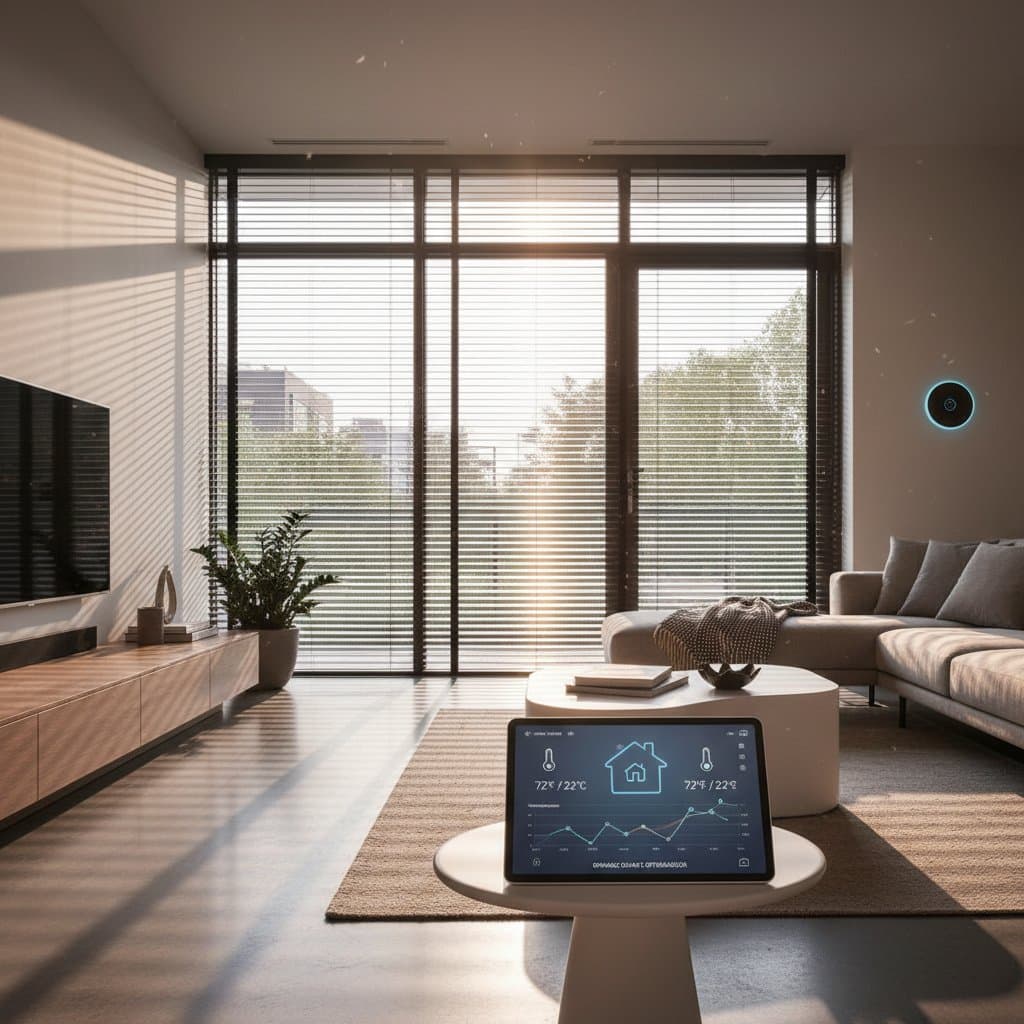
Introduction to Intelligent Blinds
Intelligent blinds represent a leap in home automation, learning from sunlight patterns, room temperature, and even electricity rates to adjust positioning without manual input. These systems use sensors and algorithms to block harsh rays during peak heat, allow natural light for mood enhancement, and align with broader energy-saving goals. By integrating with home ecosystems, they turn windows into active participants in climate control, offering both convenience and cost savings.
Homeowners benefit from reduced reliance on air conditioning or heating, as blinds help maintain steady indoor conditions. Studies indicate potential energy reductions of 10 to 20 percent in well-optimized setups. Whether retrofitting existing windows or installing in new builds, these devices provide scalable solutions for various budgets and lifestyles.
Installation Essentials
Proper installation ensures seamless operation and longevity. Start by measuring window dimensions precisely, accounting for the blind's mounting hardware. A discrepancy as small as half an inch may lead to gaps that undermine light control and insulation.
Power options influence setup complexity. Battery-powered models suit quick DIY projects, with rechargeables lasting up to a year under normal use. For larger homes with multiple windows, low-voltage wiring connects to existing outlets, avoiding frequent battery changes while supporting consistent performance.
Connectivity forms the backbone of automation. Link the blinds to your Wi-Fi network or a compatible hub following the manufacturer's step-by-step guide. Test signals in each room to confirm stable communication, preventing delays in adjustments.
Once connected, configure automation rules via the dedicated app. Program schedules based on sunrise and sunset times, or set triggers for temperature thresholds above 75 degrees Fahrenheit. Advanced models incorporate geofencing, adjusting blinds when you arrive home or leave for work.
Professional services streamline the process, with costs ranging from $150 to $300 per window based on window size and wiring needs. Bundled installations for three or more windows often reduce per-unit expenses by 15 to 20 percent. Local experts can also calibrate sensors for optimal sunlight detection.
Leveraging Dynamic Pricing and Smart Scheduling
Electricity rates vary by time of day due to grid demand, a factor smart blinds address through predictive adjustments. During high-cost peak hours, typically afternoons in summer, blinds lower to minimize solar heat gain, easing the load on cooling systems. As rates decrease in off-peak periods, they raise to harness passive solar warming or daylight for reduced lighting needs.
Integration with devices like the Ecobee Premium or Google Nest Learning Thermostat amplifies efficiency. These pairings enable data exchange, where blinds coordinate with HVAC adjustments to target a consistent 72-degree indoor temperature. For instance, if external sensors detect rising humidity, blinds might partially close to preserve cooler air inside.
Utility incentives add financial appeal. Many providers offer rebates up to $100 per window for qualifying energy-efficient installations. Review programs through your local energy authority or provider website to identify eligibility, potentially offsetting initial costs significantly.
Cost Breakdown, Maintenance, and Durability
Investment in smart blinds spans $100 to $800 per window, influenced by fabric quality, motor strength, and smart features. Basic Wi-Fi models start at the lower end, while app-controlled systems with voice integration reach the higher range. Additional hubs for protocol compatibility add $50 to $200, essential for multi-brand setups.
Power management remains straightforward. Rechargeable batteries endure 6 to 12 months of daily cycles, with apps notifying users of low levels via push alerts. Hardwired alternatives require electrician involvement but provide uninterrupted operation, ideal for high-traffic areas.
Routine care preserves functionality. Wipe fabrics weekly to prevent dust accumulation, which can impair sensor accuracy. Examine motor enclosures quarterly for debris, and update firmware promptly to access security patches and new automation capabilities. Most manufacturers guarantee 5 to 10 years on mechanical components under normal conditions.
Prioritizing Safety and Privacy
Networked devices demand robust security protocols. Select brands employing end-to-end encryption and two-factor authentication for app access. Regularly review connected devices in your router settings and change default passwords to fortify against unauthorized entry.
Motorized designs enhance physical safety by eliminating pull cords, a common hazard for young children and pets. Integrated infrared sensors halt operation upon detecting obstacles, such as a toy or furniture, preventing pinches or damage. Parents appreciate voice commands that override automations for immediate manual control.
Privacy extends to data handling. Reputable systems anonymize usage patterns and allow users to opt out of cloud analytics. Store sensitive schedules locally when possible, and enable guest modes for temporary access without full network exposure.
Building a Comprehensive Smart Climate Network
Isolated smart blinds deliver value, but synergy with other devices maximizes impact. Combine with smart lighting to dim bulbs as natural light increases, avoiding over-illumination and glare on screens.
Thermostats provide the core for thermal regulation, signaling blinds to adjust based on occupancy or weather forecasts. Occupancy sensors activate changes only in active spaces, conserving energy in unused rooms like guest bedrooms.
Energy monitors quantify savings, displaying real-time impacts of blind positions on overall consumption. For example, track how midday closures reduce AC runtime by 30 minutes daily.
Choose a central hub supporting Zigbee, Z-Wave, or the emerging Matter standard for future-proofing. This setup accommodates expansions, such as adding smart shades to patios or integrating with solar panels for off-grid operation.
Steps to Implement Your System
Approach adoption incrementally to assess benefits. Target high-impact areas first, like south-facing living rooms where afternoon sun intensifies heat. Monitor app dashboards for a week to refine rules, noting changes in comfort levels and utility bills.
For hands-off setup, engage certified installers through platforms like XavageTech Marketplace. Submit project details for no-obligation quotes, ensuring pros handle custom calibrations and compatibility checks.
Realizing Everyday Benefits
Smart blinds elevate daily living by preempting discomfort from glare or drafts. Imagine entering a space where light diffuses evenly, temperatures hold steady, and energy use aligns with your routine—all without intervention.
This technology redefines window treatments as intelligent allies, harnessing data for precise control. Over time, the cumulative savings and enhanced well-being justify the upgrade, positioning your home as a model of efficient, responsive design.
Frequently Asked Questions
What energy savings can users expect from smart blinds?
Savings depend on local climate, window exposure, and usage patterns. Automated systems typically cut heating and cooling expenses by 10 to 20 percent, with greater impacts in sunny regions.
Do smart blinds require a separate hub?
Wi-Fi-enabled models connect directly to your internet router for basic functions. Hubs become necessary for complex automations involving multiple brands or protocols like Z-Wave.