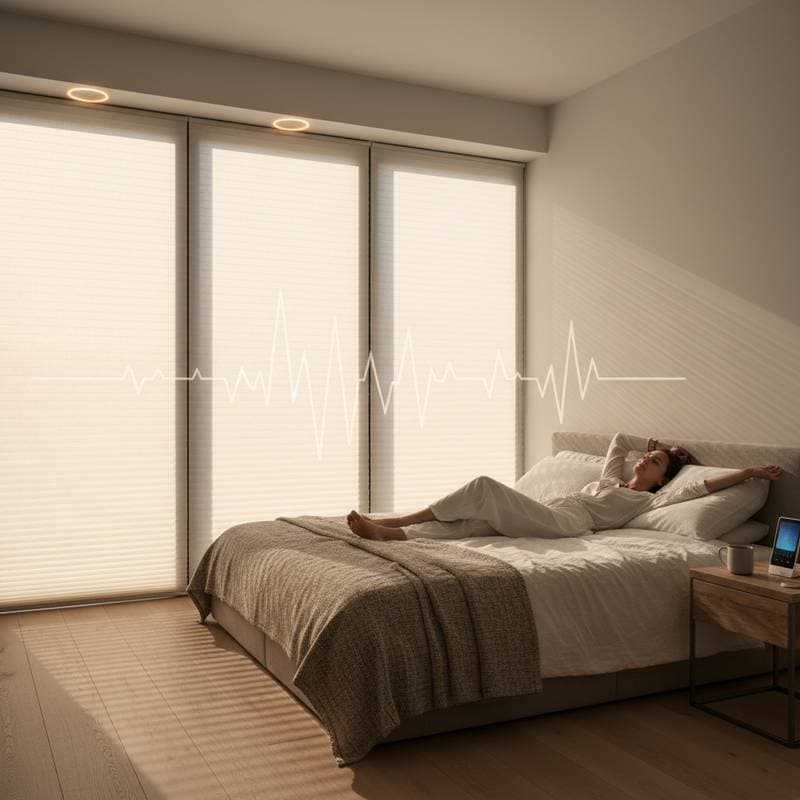
Wake Refreshed: Smart Blinds Tune to Your Sleep Cycle
For years, the idea of waking up to soft, natural light instead of a blaring alarm seemed like a luxury reserved for the ultra-disciplined or the endlessly lucky. Now, it is becoming a standard expectation in connected homes. Smart blinds that adjust to your sleep cycle turn bedrooms into personalized wellness spaces. These devices go beyond convenience or energy savings. They sync your environment with your body natural rhythm so you wake up more refreshed and fall asleep more easily.
Rethinking the Role of Light in Rest
Light serves as one of the most powerful cues our bodies use to regulate sleep. It signals the internal clock when to wake or rest. Traditional blinds block or allow light in static ways. Smart blinds respond dynamically. They learn your habits, track your sleep, and open or close based on your circadian rhythm.
The result is a smoother transition between rest and alertness. This approach replaces abrupt awakenings with gentle ones tied to real sunlight. A study from a leading sleep foundation shows that consistent exposure to natural morning light improves mood and focus throughout the day. Automated shades create a rhythm that supports the body natural patterns. This small change influences productivity and emotional health.
How Smart Blinds Sync With Sleep
The technology combines sensors, scheduling algorithms, and integration with smart home ecosystems. Many smart blinds connect with sleep tracking devices or use data from wearable sensors to understand your rest cycles. When your sleep app detects the end of a deep sleep phase, it signals the blinds to open slowly. This action lets in morning light that stimulates alertness hormones naturally.
Synchronization works both ways. At bedtime, the blinds close automatically to darken the room and signal the brain to produce melatonin. The blinds become part of your sleep hygiene routine and automate what once required conscious effort. Brands like Somfy, Lutron, and IKEA offer models controlled through voice assistants or mobile apps. Some systems adjust based on location and know when the sun rises to set a schedule that fits your body and local environment.
From Manual to Mindful: The Evolution of Window Control
Early smart blinds focused on remote control. You could open or close them from your phone or by voice command, which felt futuristic. Now, automation moves past manual commands into predictive behavior. The blinds anticipate your needs by learning from daily patterns.
This shift aligns with broader trends in smart home design. Devices react less to commands and anticipate them more. A thermostat learns your preferred temperature. A lighting system adjusts brightness based on time of day. Window coverings now align light exposure with your body natural cycles. These innovations create an intuitive home that supports human wellness.
The Science of Circadian Rhythm and Smart Light
The circadian rhythm regulates sleep, digestion, hormone release, and cognitive function. Light exposure influences it heavily. When you wake to natural light, your brain reduces melatonin production and increases cortisol levels to prepare for activity. Darkness reverses this process to help your body wind down.
Smart blinds that tune to this rhythm reinforce biological signals. Gradual illumination mirrors a natural sunrise and eases your body into wakefulness. Over time, this enhances sleep quality and reduces grogginess. At night, the blinds lower to block streetlights or moonlight and keep the environment dark and consistent.
Integration With Broader Smart Home Ecosystems
Smart blinds operate as part of connected systems that manage light, temperature, and sound. When linked with smart lighting, blinds coordinate with bulbs that shift color temperature throughout the day. Morning light stays bright and cool to boost alertness. Evening light becomes warm and dim to encourage relaxation.
Some setups link blinds with thermostats. In the afternoon, when the sun heats a room, the blinds close partially to maintain stable temperature. At night, they open to let cooler air circulate. Combined with smart speakers or sleep sound machines, this ecosystem turns a bedroom into a personalized recovery zone.
Real-World Examples in Action
Homeowners discover how transformative this technology can be. The Eve MotionBlinds system connects directly to Apple HomeKit without a hub. Users set schedules tied to sunrise and sunset or link the blinds with sleep tracking data from an Apple Watch. The blinds open gradually when the watch detects light sleep for a natural wake-up.
The SwitchBot Curtain retrofits existing curtains into smart ones. It uses ambient light sensors to determine when to open or close and adapts to user sleep data and environmental conditions. This flexibility suits renters or those adding automation without replacing hardware.
Barriers and Realities of Adoption
Smart blinds face challenges despite their promise. Cost presents one of the biggest hurdles. Motorized systems and smart integrations prove expensive, especially for multiple windows. Battery-powered models reduce installation costs, but frequent recharging inconveniences users.
Compatibility raises another issue. Not every system works seamlessly with every smart home platform. Users often juggle multiple apps or devices that fail to communicate. The Matter standard addresses this by enabling cross-brand integration. As adoption grows, interoperability becomes a standard expectation.
Privacy matters too. Smart blinds rely on data from sleep trackers or environmental sensors. Transparency about data use and protection builds long-term trust.
The Emotional Side of Smart Light
Waking up to natural-feeling light carries deep emotional weight. It fosters calm and connection to the outside world. Morning light at the right moment lifts mood, eases stress, and sets a positive tone for the day. For those in low-sunlight areas, simulated sunrise sequences counter seasonal fatigue and promote mood balance.
Designers and wellness experts highlight this emotional well-being. A home that adapts to your body needs creates harmony. Smart blinds embody this shift and turn light into a tool for better living.
How to Choose the Right Smart Blinds
Selecting the right system depends on lifestyle, budget, and ecosystem preference. Consider these key factors:
- Integration: Ensure the blinds work with your preferred platform, such as Alexa, Google Home, or Apple HomeKit.
- Power Source: Choose between wired, battery-powered, or solar options. Battery models install easily, while wired systems offer reliability.
- Automation Features: Select blinds that connect with sleep tracking devices or use light sensors for automatic adjustments.
- Material and Design: Opt for blackout fabric for full darkness or light-filtering materials for softer glow.
- Ease of Use: Verify the system allows easy schedule setting through an app or voice control.
Smart blinds can retrofit onto existing shades with conversion kits. This option provides flexibility for renters or low-commitment upgrades.
The Future of Sleep-Driven Design
Next-generation smart blinds will feature precise light sensing, adaptive color temperature adjustments, and biometric feedback. Blinds might respond to heart rate or stress levels from wearables. If restlessness occurs, they close slightly for a darker, calming space. If your morning routine changes, they adjust automatically.
This direction advances wellness-driven home tech. Devices improve how we live and feel. Lighting, temperature, and sound reimagine as health optimization tools.
Implement Smart Blinds for Better Rest
Smart blinds blend technology with nature. They use innovation to integrate sunlight into routines in personal, effortless ways. Start with a single automated shade in your bedroom or a whole-home system synced to your schedule. The experience reshapes mornings and nights.
For better rest, improved mood, and smoother mornings, smart blinds offer a powerful step. They transform light into a wellness companion that guides your body toward balance unnoticed. As homes grow responsive and intuitive, waking refreshed becomes the new normal.