Robot Vacuums Detect Pet Illness From Waste Scans
Smart home devices extend beyond mere convenience. The newest robot vacuums serve as health companions for pets by scanning and analyzing waste during routine cleanings. These machines identify early illness indicators that owners might miss, blending cleaning efficiency with proactive wellness monitoring to foster a more attentive living environment.
From Cleaning Assistant to Health Guardian
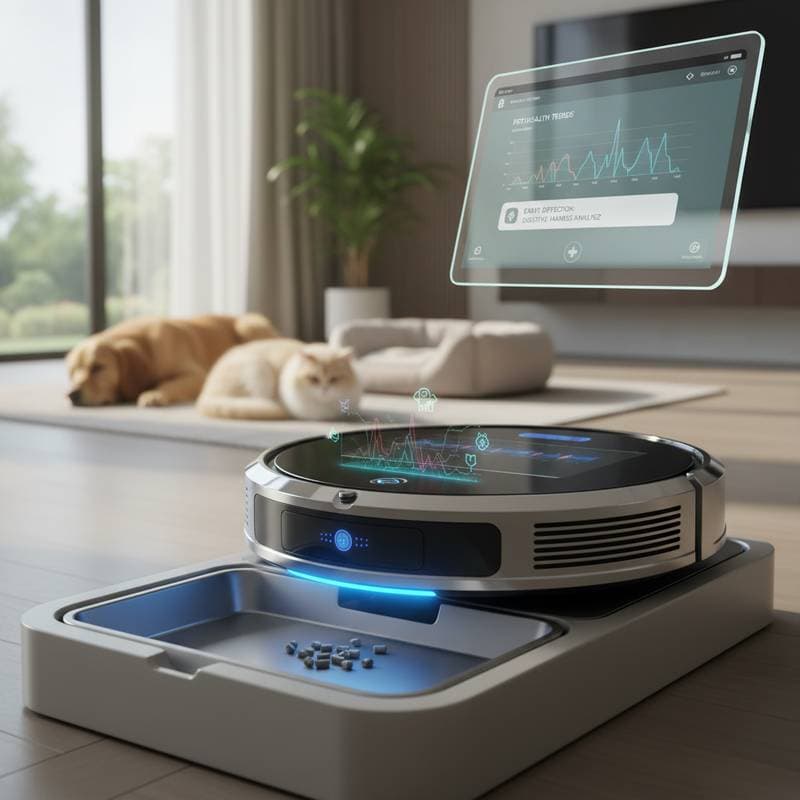
Robot vacuums integrate seamlessly into daily life, navigating rooms and managing debris with precision. Advanced models incorporate biochemical and optical sensors that differentiate pet waste from ordinary dirt. These sensors examine attributes such as color, texture, and moisture to assess potential health concerns.
Upon detection, the device cross-references findings against established health benchmarks in its database. Anomalies trigger notifications via a linked mobile application, highlighting possible digestive disorders, infections, or dehydration risks. This functionality elevates routine maintenance into a vital health surveillance tool, enabling timely interventions.
Why Pet Health Monitoring Matters
Pets hold a central place in many families, yet monitoring their well-being often relies on infrequent veterinary examinations or observable behavioral shifts. Subtle signs frequently escape notice until conditions worsen. Automated waste analysis provides reliable, ongoing data to bridge these gaps.
Surveys indicate growing acceptance among pet owners for smart technologies in care routines, including automated feeders and activity trackers. Embedding health analysis in a vacuum aligns with this trend, streamlining oversight without additional equipment. It synchronizes wellness evaluation with everyday household activities.
How the Technology Works
Core components include computer vision for material identification, chemical sensors for property measurement, and machine learning for pattern recognition. Cameras capture images of waste, while sensors evaluate factors like pigmentation and fluid volume. Algorithms match these inputs to profiles of normal pet physiology.
Deviations in form or hue prompt system alerts. With repeated use, the device refines its understanding of individual pet baselines, enhancing precision across cycles. Cloud updates incorporate the latest veterinary guidelines, ensuring relevance without user intervention.
Real-World Examples
Leading smart home manufacturers have introduced prototypes featuring bio-detection modules. One such device halts operation upon encountering waste to avoid spreading it, then conducts a rapid analysis and relays results to the user's phone. This prevents mishaps while delivering actionable health summaries.
Innovative startups offer retrofit attachments for legacy vacuums, employing cost-effective sensors to gauge pH levels and microbial presence. These accessories extend monitoring capabilities to existing setups, broadening access for current owners seeking enhanced pet care features.
Privacy and Data Considerations
Connected devices raise valid concerns about information security. Reputable developers prioritize on-device processing, where analysis occurs locally to minimize external data transmission. Only aggregated alerts reach applications, preserving detailed records within the unit.
Options for complete data isolation empower users to disable sharing features. Clear policies on handling practices build confidence, encouraging adoption among those valuing control over personal and pet-related information.
The Broader Smart Home Ecosystem
Health-monitoring vacuums contribute to interconnected smart environments that unify lighting, temperature, and security controls. A central application might soon consolidate pet wellness metrics alongside other home functions. This convergence simplifies management across devices.
Consider a vacuum identifying irregular waste patterns, which then coordinates with a smart dispenser to modify feeding schedules or hydration prompts. It could facilitate direct veterinary communications for appointments. Such linkages create a cohesive support system for household and pet needs.
Benefits Beyond Detection
Enhanced vacuums optimize sanitation by adapting to waste encounters, increasing suction for complete removal and applying targeted cleaning methods. Select units deploy UV illumination or antimicrobial solutions post-detection to eliminate pathogens effectively. These measures elevate overall hygiene standards.
In multi-pet homes, spatial and temporal data distinguish contributions from specific animals, aiding in pinpointing health variances. Accumulated records provide veterinarians with comprehensive digestive histories, informing precise diagnoses and treatments.
Challenges and Limitations
Technological reliability hinges on precise sensor tuning and diverse training datasets. Environmental factors like illumination or surface variations may influence outcomes. Ongoing refinements in software and components address these inconsistencies.
Elevated manufacturing costs from sophisticated integrations could impact affordability initially. Market expansion and scale should normalize pricing in accessible models over time. Balancing sensitivity to avoid false positives or overlooked issues remains critical, supported by iterative updates and owner input.
Consumer Adoption Trends
The smart pet care sector experiences rapid expansion, with rising demand for tools that automate nutrition, exercise, and behavioral tracking. Waste-scanning vacuums align with this momentum, appealing to integrated home solutions.
Initial users often include technology enthusiasts with established smart pet accessories. As interfaces simplify and costs decline, mainstream appeal grows. The dual role in cleanliness and health vigilance drives widespread interest.
Making It Happen at Home
Prospective users should assess device compatibility with existing setups. Dedicated models include native scanning, while add-ons suit upgrades to current vacuums. Verify app integration for efficient alerts and data handling.
Consistent operation accelerates system learning through frequent environmental exposure. Combining with complementary tools like automated dispensers forms a comprehensive care framework, optimizing home-based pet management.
Advancing Pet Wellness Through Everyday Tech
Health-integrated robot vacuums mark a pivotal advancement in intelligent habitats. They demonstrate how routine appliances gain depth in supporting family members, including pets. Owners gain not only tidier spaces but also informed vigilance over pet vitality.
This evolution underscores a shift toward anticipatory systems that nurture shared living dynamics. As integration deepens, homes evolve into intuitive sanctuaries, safeguarding health alongside harmony.