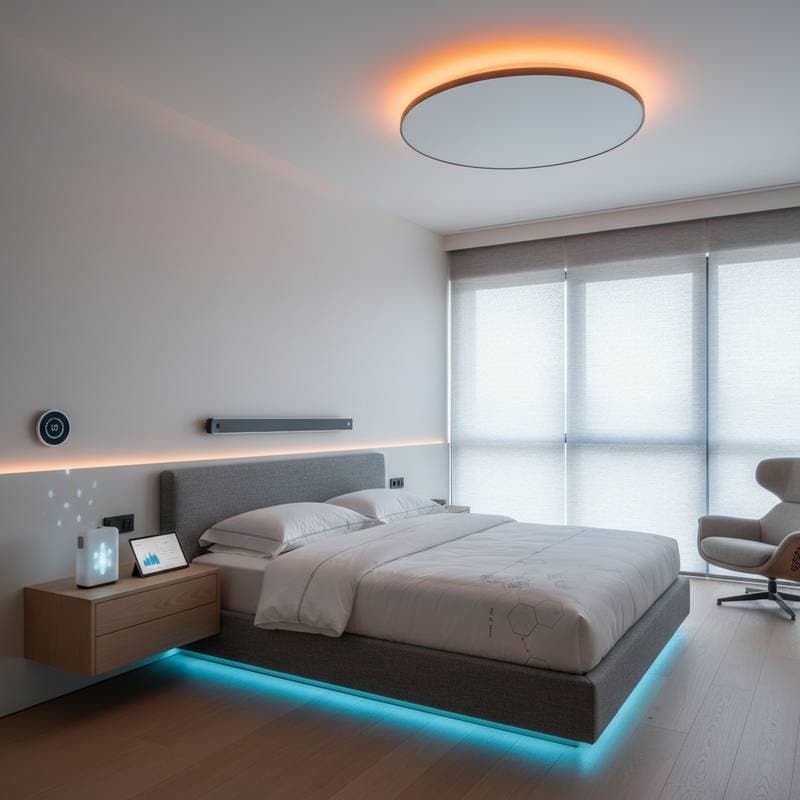
Unlock Deeper Rest: How Smart Bedroom Technology Enhances Sleep by 50%
Smart homes reshape daily routines, with sleep emerging as a key focus for wellness. The bedroom evolves from a simple resting space into a dynamic system that adapts to individual biological rhythms. Achieving a 50 percent improvement in sleep quality may seem ambitious, yet automated adjustments to lighting, temperature, sound, and comfort make this outcome achievable through consistent, data-informed enhancements.
Understanding Common Sleep Challenges
Inconsistent schedules, daily stress, and environmental disturbances often hinder quality sleep for many individuals. Conventional aids, such as blackout curtains or white noise devices, provide basic support but remain passive without ongoing adaptation. Smart bedroom systems advance these solutions by incorporating sensors, responsive mechanisms, and analytical insights to foster an environment conducive to profound, rejuvenating sleep.
Consider the experience of awakening to gentle illumination that aligns with your sleep cycles, rather than an abrupt alarm. During the night, thermostats fine-tune temperatures, and ambient noise receives subtle management. These incremental modifications lead to quantifiable gains in rest effectiveness.
1. Circadian Lighting to Align with Natural Rhythms
Circadian lighting represents a pivotal advancement in sleep enhancement tools. This technology emulates the daily cycle of sunlight, aiding the body in synchronizing with its internal clock. Exposure to bright, cool tones in the morning heightens wakefulness, whereas warm, subdued hues in the evening prompt relaxation.
Devices such as Philips Hue bulbs or Nanoleaf panels automate shifts in color temperature and intensity based on time of day. When connected to sleep monitors, they personalize adjustments to match personal patterns. Research indicates that such light timing shortens the period needed to fall asleep and elevates overall sleep depth by facilitating melatonin release.
For those accustomed to stark overhead lights or blue light from devices near bedtime, this shift proves transformative. Lighting transcends decoration to serve as a precise instrument for health maintenance and reliable rest.
2. Automated Temperature Regulation for Optimal Comfort
The human body experiences a natural decline in core temperature during sleep, and deviations in room conditions can interrupt this cycle. Advanced thermostats, including models from Nest or Ecobee, surpass basic timers by analyzing user habits, sensing presence, and incorporating sleep data for tailored climate control.
Innovative mattresses like those from Eight Sleep incorporate zoned heating and cooling elements, such as warming the feet while cooling the torso. This targeted approach accelerates sleep initiation and minimizes interruptions. Within a unified home setup, the entire space responds intuitively to individual needs.
3. Adaptive Sound Management for Tranquil Nights
Audio influences sleep in multifaceted ways; soothing elements can aid relaxation, but sudden interruptions fracture rest phases. Contemporary smart devices employ dynamic sound profiles and instantaneous noise reduction to sustain serenity.
Speakers from Amazon Echo or Google Nest deliver customizable options, including ambient noises, natural recordings, or relaxation audio that adapts to routines. Products like Kokoon Nightbuds employ built-in sensors to monitor sleep onset and gradually diminish playback. By aligning audio with current rest states, these tools establish a more consistent nocturnal atmosphere.
Emerging smart window solutions enhance this by providing soundproofing and automated closure. Paired with acoustic sensors, they ensure quietude persists amid external activity.
4. Data-Driven Sleep Tracking for Tailored Optimization
A primary benefit of smart sleep solutions lies in their analytical capabilities. Wearable devices and contactless monitors capture metrics like motion, heart rate variability, and respiration. Tools such as the Withings Sleep Analyzer or Oura Ring convert these into actionable reports, revealing factors impacting rest.
Beyond raw data, these systems enable environmental responses to detected trends. For instance, if cooler settings or specific illumination correlate with improved sleep, connected appliances adjust accordingly. Gradually, the bedroom functions as an autonomous optimizer calibrated to unique requirements.
This integration of monitoring and automation replaces intuition with accuracy. Users gain objective evidence of progress, supplementing subjective morning assessments.
5. Intelligent Bedding for Personalized Support
Bedding now embeds advanced materials and detection elements. Smart mattresses, pillows, and linens modify firmness levels, regulate heat, and observe vital signs. Certain models issue gentle vibrational cues during shallow sleep stages to ease waking without disorientation.
Sleep Number beds, for example, utilize physiological inputs to alter support dynamically overnight. Alternatives like Moona pillow inserts prioritize cranial cooling to expedite drowsiness. These refinements deliver subtle alignments with bodily demands.
Since comfort varies widely among individuals, smart bedding accommodates by allowing custom definitions and real-time modifications, avoiding rigid standards.
6. Voice-Activated Sequences for Seamless Bedtime Preparation
Voice interfaces form the core of smart bedroom interactions. A single directive initiates comprehensive routines, such as softening lights, adjusting climate, and queuing serene audio. This automation minimizes evening efforts, promoting regularity and ease.
The reliability of such sequences fosters psychological readiness for rest. Predictable cues reinforce biological signals for sleep onset. Platforms like Google Assistant or Amazon Alexa orchestrate multi-device operations through commands like "initiate bedtime mode," streamlining the shift to repose.
7. Enhanced Air Quality and Aromatherapy Integration
Ambient air and olfactory elements significantly affect relaxation and respiratory ease during sleep. Connected diffusers and filtration units now synchronize with broader home networks to uphold optimal conditions. Clean air combined with calming fragrances cultivates tranquility and improved inhalation.
Devices including the Vocolinc FlowerBud or Awair sensors measure elements like moisture levels, airborne particles, and chemical traces. Linked to dispensers, they deploy aromas such as lavender or chamomile precisely at dusk. This holistic sensory strategy elevates the bedroom to a bespoke haven for rejuvenation.
8. Unified Systems for Seamless Device Harmony
True efficacy in smart bedroom setups emerges from interconnected operations. When components exchange information fluidly, functionality amplifies. Protocols like Apple Home, Samsung SmartThings, or Matter standards facilitate interoperability across manufacturers.
Envision a sleep monitor identifying a light rest phase, prompting gradual light increase alongside kitchen appliance activation for morning beverages. Such orchestration smooths transitions between sleep and activity, enhancing both recovery and start to the day.
Centralized control via a single interface or verbal cue manages diverse elements, alleviating complexity. A cohesive framework renders the technology intuitive and unobtrusive.
9. Linking Sleep to Overall Well-Being
Rest quality underpins health domains including emotional balance, cognitive sharpness, and immunity. Smart bedroom innovations extend beyond utility to support a comprehensive wellness paradigm, positioning sleep as essential to vitality.
User studies reveal that those employing cohesive sleep environments experience elevated contentment and reduced tension. As biological alignment strengthens, complementary practices like dietary choices and physical activity often follow suit. Enhanced rest lays the groundwork for sustained health improvements.
10. Addressing Practical Concerns for Wider Access
Financial investment, data security, and operational intricacy pose frequent hurdles. Individuals may hesitate over surveillance risks or installation demands. Fortunately, current designs emphasize simplicity and protection, with many processing information on-site to safeguard privacy.
Affordable entry points, such as basic smart lights or under-mattress trackers, permit gradual incorporation. These steps build toward a comprehensive setup without extensive overhauls, making superior sleep accessible to more users.
Steps to Implement Smart Sleep Enhancements
Superior rest requires no sweeping overhauls; it begins with targeted introductions. Start by installing circadian-compatible lighting to harmonize with daily cycles. Next, incorporate temperature regulation or a basic tracker to identify preferences.
Observe initial outcomes, then expand to integrated sound or bedding solutions for synergy. Focus on compatibility to ensure smooth expansion. Through deliberate progression, the bedroom adapts into a responsive ally for nightly renewal.
Smart technology redefines rest, recovery, and renewal. Each refinement draws individuals closer to consistently restorative sleep, elevating daily performance.