-
Select Foundational Appliances
Begin with one or two primary devices supporting Matter or comparable open protocols. Opt for a smart refrigerator or washing machine explicitly noting local control features in specifications. -
Verify Inter-Brand Support
Seek the Matter certification or Home Connectivity Alliance emblem. Such markings guarantee compatibility across manufacturers. -
Establish Network Integration
Connect devices to your home network during initial configuration. Subsequently, they detect one another automatically, sustaining operations offline. -
Validate Automation Sequences
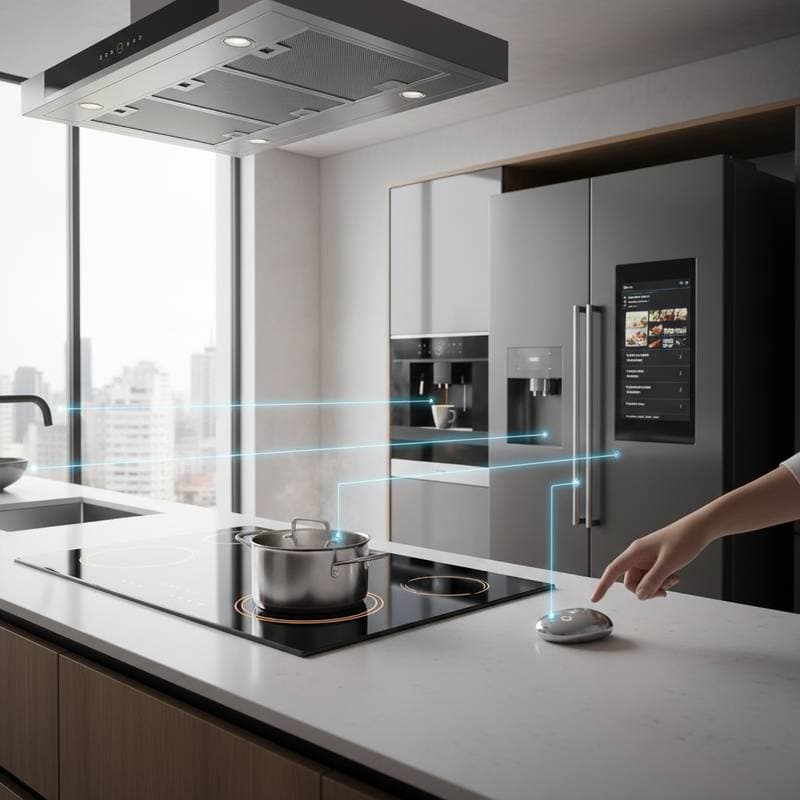
Experiment with basic routines, such as oven preheating triggered by cooktop activity or range hood activation via heat sensors. -
Incorporate Voice or Panel Interfaces
For convenience, integrate with Matter-compatible voice assistants or wall panels. Appliances maintain independence while benefiting from unified access.
Recommended Products Across Price Ranges
Entry-Level Selection:
GE Profile Smart Plug-In Air Fryer Oven (approximately $200)
This versatile appliance utilizes Wi-Fi Direct for local integration. It coordinates with compatible GE units, like automatically engaging a range hood during cooking sessions.
Intermediate Option:
LG ThinQ Smart Washer and Dryer Pair (approximately $1,800 total)
Equipped with Matter-enabled ThinQ technology, these allow app-independent synchronization. The washer relays cycle information to optimize dryer performance.
High-End Choice:
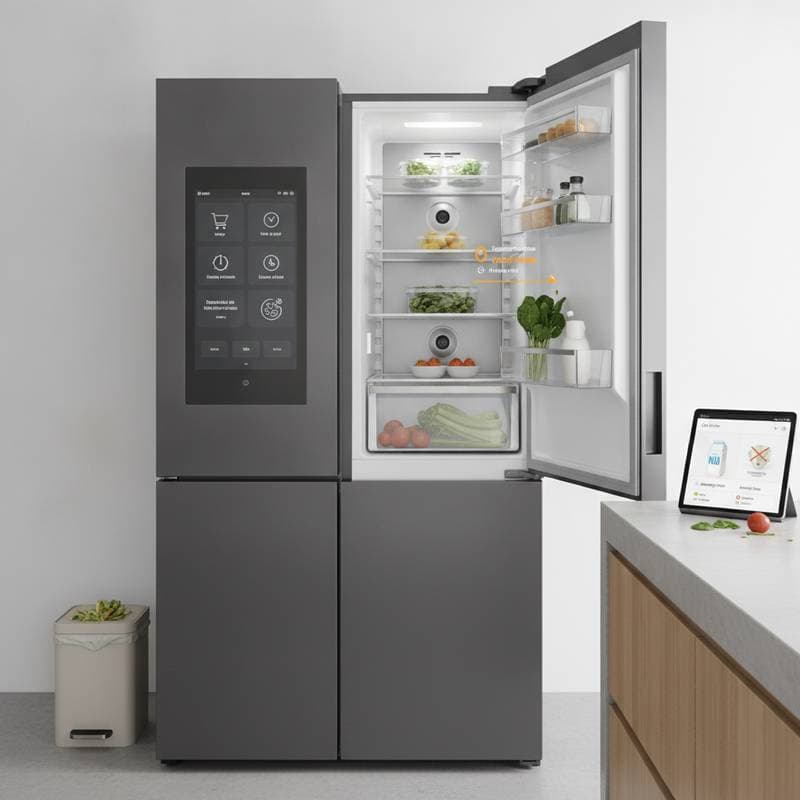
Samsung Bespoke Refrigerator with Family Hub+ (approximately $3,800)
Serving as a network centerpiece, this model supports Matter and SmartThings for orchestrating dishwashers, ovens, and vacuums via direct links.
These selections integrate into diverse brand environments and accommodate future expansions. Prioritize Matter certification for sustained compatibility.
Key Factors for Purchase Decisions
Financial Planning and Scalability
Initiate with modest investments; a single compatible device suffices to launch the network. Replace aging units progressively with protocol-aligned models.
Installation and Safety Protocols
Engage certified professionals for any electrical or plumbing modifications. Ensure compliance with grounding requirements and local regulations.
Data Protection Measures
Local communication bolsters privacy by minimizing external data transmission. Verify encryption standards and minimal data retention in device specifications.
Implementation Timeline
Configuration typically requires under one hour. Focus on unified network pairing initially; connections persist thereafter.
The Advantages of Local Appliance Networks
Simplicity defines the core benefit. Intelligent homes demand minimal oversight, not extensive application management. Local protocols yield quicker interactions and reduced downtime, while lowering overall energy use through efficient connectivity.
Beyond ease, these systems promote autonomy. Manual operation remains viable, yet automated coordination streamlines routines. A coffee maker activates with your alarm; a dishwasher schedules during off-peak energy periods. Intelligence emerges subtly and effectively.
Implementing Seamless Integration
To achieve app-free harmony, introduce a device adhering to open standards as your entry point. Expand methodically, prioritizing protocol consistency across brands.
For comprehensive renovations, engage specialists versed in Matter and Thread. Platforms like HomeAdvisor or Angi facilitate connections to qualified installers for tailored network optimization.
With foundational links established, pursue sophisticated routines. Integrate HVAC adjustments with oven use for thermal balance, or synchronize blinds to mitigate energy demands during high appliance activity.
Frequently Asked Questions
Does Wi-Fi Remain Essential for App-Free Appliances?
Initial setup necessitates Wi-Fi, but configured devices operate locally thereafter, unaffected by internet interruptions.
Is Brand Mixing Feasible, Such as Samsung, LG, and Bosch?
Affirmative, provided all adhere to unified standards like Matter or Home Connectivity Alliance protocols.