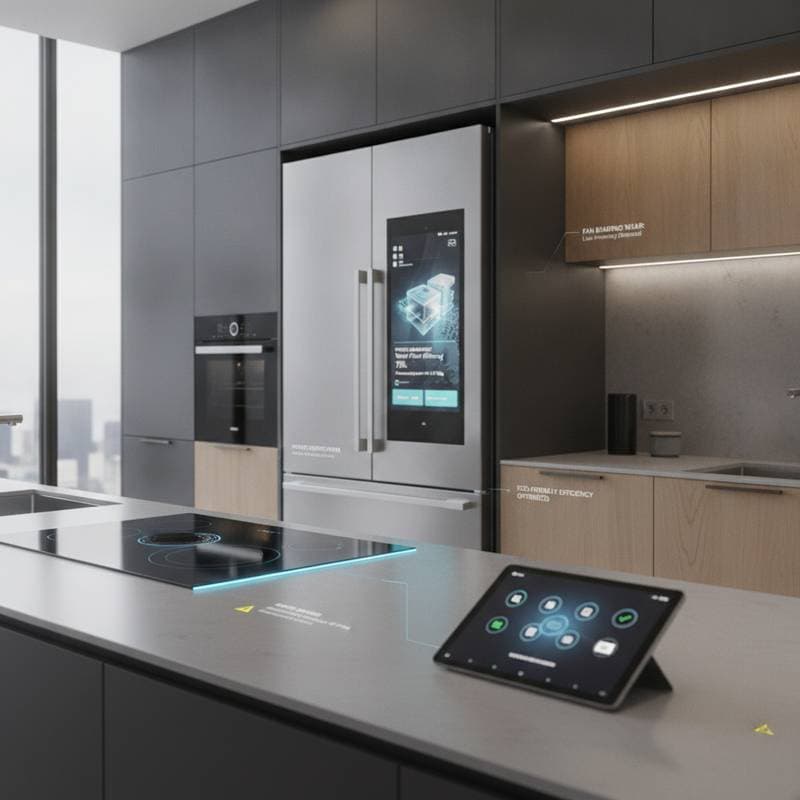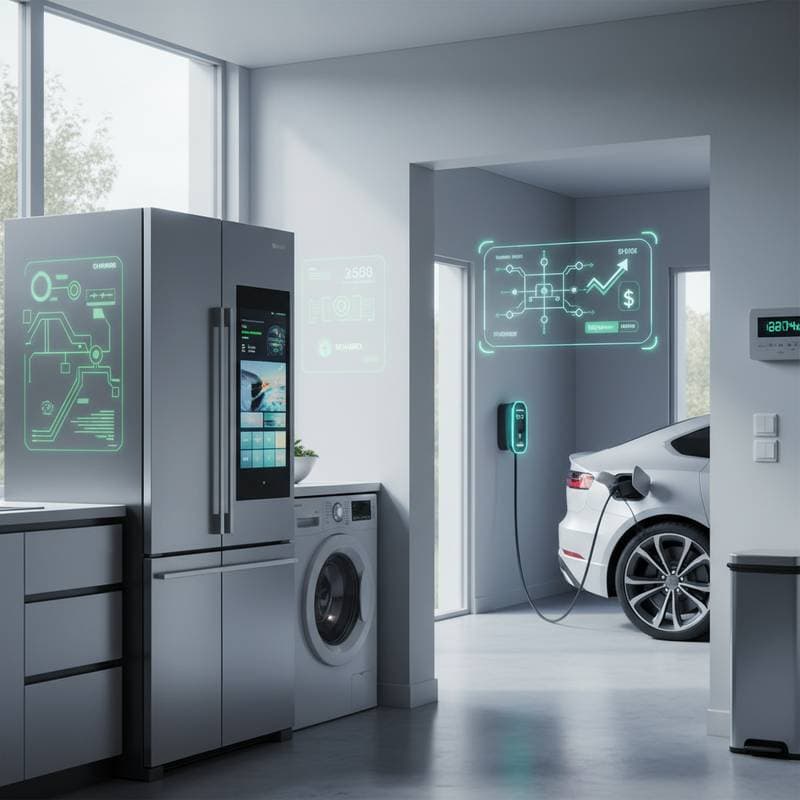
Imagine opening your electric bill and finding a credit instead of a charge. The refrigerator, oven, and even the washer have quietly worked together to send energy back to the grid while you slept. This scenario is not a futuristic fantasy. Smart appliances now possess the capability to reverse the flow of energy costs, turning the home into a small but significant participant in grid stability.
For many homeowners, the concept of the utility company paying them seems almost unbelievable. Yet, as grid-interactive appliances become more common, that reality spreads. The shift involves more than saving money. It positions the home as part of a smarter, more balanced energy network.
The Opportunity in Everyday Appliances
The average home contains dozens of appliances that quietly consume power at all hours. Refrigerators cycle on and off, water heaters operate when no one is home, and dryers generate heat during peak demand. This constant consumption strains the grid and increases costs during demand spikes.
Smart appliances change this dynamic. They communicate with the utility, adjust operations based on demand, and even store or release energy when it benefits the user most. This two-way relationship with the grid is known as demand response, and it provides rewards for flexibility.
During peak hours, connected devices can delay cycles, lower temperature settings, or draw from stored energy. In exchange, utilities offer credits or reduced rates. Over time, these adjustments accumulate into substantial savings that appear as negative balances on the bill.
How Smart Appliances Interact with the Grid
Grid-interactive appliances employ built-in sensors, Wi-Fi connectivity, and cloud-based intelligence to manage energy flow. Consider them as team players that recognize when to pause or contribute.
The process unfolds as follows:
- Communication: The appliance receives signals from the utility provider or energy management app, typically through home Wi-Fi or a hub such as the Samsung SmartThings Station or Amazon Echo Hub.
- Action: Based on those signals, the appliance delays or accelerates cycles to avoid high-cost periods. For instance, a connected dishwasher may postpone the wash cycle until off-peak hours.
- Optimization: Certain appliances, like smart water heaters or refrigerators, store thermal energy for later use. Others, such as vehicle chargers, can return electricity to the grid during shortages.
- Reward: The utility monitors this cooperation and issues bill credits or rebates for the energy supplied or demand reduced.
The process occurs automatically after setting preferences, preserving comfort and convenience while the devices manage costs in the background.
Examples of Grid-Interactive Appliances
Several brands produce appliances designed for this energy-sharing environment. Prices vary, but the potential for payback proves impressive.
- Budget Option: The GE Profile Smart Front Load Washer with SmartHQ (approximately $900) integrates with demand response programs in many regions. It adjusts cycles automatically during peak hours, enabling users to earn small but consistent credits.
- Mid-Range Choice: The Whirlpool Smart Over-the-Range Microwave with Scan-to-Cook Technology (approximately $1,000) connects via the Whirlpool app to manage energy usage and coordinate with compatible smart thermostats.
- Premium Selection: The LG ThinQ Connected Refrigerator with Energy Star certification (approximately $3,200) includes adaptive cooling and grid communication. It can delay compressor cycles or optimize defrost schedules according to grid signals.
Many homeowners overlook the benefits of pairing these appliances with smart plugs that support energy monitoring. A compatible plug can integrate even a standard air purifier or dehumidifier into the demand response system.
Electric Vehicles in Home Energy Management
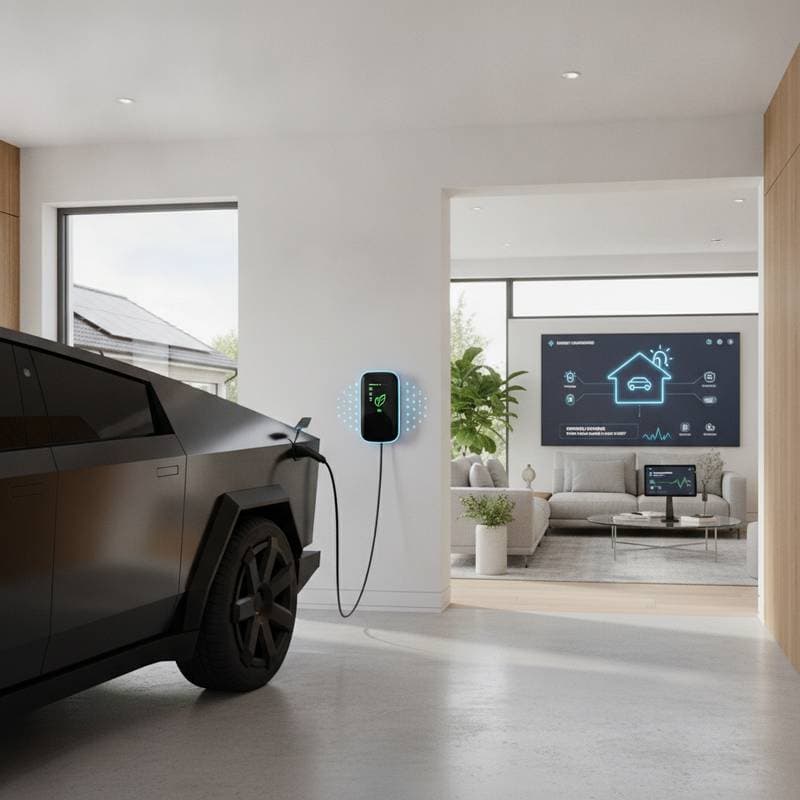
For those who drive an electric vehicle, it serves as the largest battery on wheels. Grid-interactive appliances can coordinate with smart EV chargers to determine when to draw or supply power. During high-demand periods, the vehicle's battery can temporarily provide electricity to the home or grid, then recharge when rates decrease.
This configuration, termed vehicle-to-grid (V2G) integration, grows more accessible. Brands like Wallbox Pulsar Plus and Emporia EV Charger support time-of-use scheduling and initial V2G functions. With an appropriate utility partnership, these systems can cause the meter to run backward.
Costs and Practical Steps
Transforming the home into a grid partner demands planning. First, verify which appliances qualify for demand response with the local utility. Many utilities provide rebates, typically ranging from $50 to $150 per device, for program enrollment.
Anticipate these costs and factors:
- Smart appliance upgrades: From $800 for smaller devices to over $3,000 for large connected appliances.
- Smart hub or controller: Between $50 and $200 to coordinate signals across devices.
- Professional installation: Usually $100 to $300, depending on wiring complexity.
- Savings potential: Participants in demand response programs often reduce electricity costs by 10 to 25 percent annually.
Safety remains the top priority. If wiring or circuit modifications are necessary, engage a licensed electrician. Some systems may require Wi-Fi signal boosters or a dedicated breaker for reliable performance.
Insights from Energy Experts
One underappreciated benefit of grid-interactive appliances is their capacity to predict demand based on weather and usage patterns. Recent models incorporate predictive algorithms that foresee grid stress. They pre-cool or pre-heat the home before peak hours, storing comfort when energy is inexpensive and renewable.
Another recommendation: Stack incentives. Combine appliance rebates with time-of-use rate plans and renewable energy credits. This layered strategy can accelerate negative bills, particularly with solar panels or a home battery.
Broader Impact on the Energy Grid
Each connected appliance that shifts energy use by mere minutes aids grid stability. When multiplied across millions of homes, the impact becomes profound. Utilities decrease dependence on fossil fuel peaker plants, reduce emissions, and sustain consistent voltage in communities.
For the homeowner, this translates to fewer outages, cleaner energy, and the fulfillment of contributing to a sustainable ecosystem without compromising comfort. It elevates the kitchen, laundry room, and garage into vital elements of an energy network.
Steps to Implement Grid-Interactive Systems
To begin, select one or two new appliances that support demand response. Pair them with a smart thermostat such as the Google Nest Learning Thermostat or Ecobee Premium, both priced around $200 to $250. These devices communicate with appliances and the utility to automate energy usage.
Contact the local utility to inquire about demand response or energy credit programs. Most utilities feature online portals for enrollment. Additionally, use a vetted contractor marketplace to locate certified installers familiar with smart energy systems.
Once installed, track performance via the manufacturer's app or platforms like Sense Energy Monitor. Within weeks, observe how automated scheduling and minor adjustments transform energy costs.
Benefits of an Integrated Energy Home
With appliances interacting with the grid, daily life changes little, save for the bill review. The refrigerator maintains food freshness, laundry completes on schedule, and lights remain steady, all while costs optimize behind the scenes. Passive consumption evolves into active participation, yielding financial and environmental gains.
Frequently Asked Questions
What is demand response? Demand response involves utilities incentivizing customers to reduce or shift electricity use during peak times, often through automated appliance adjustments.
Do I need to replace all my appliances? No, start with one or two compatible devices. Existing appliances can integrate via smart plugs.
How much can I save? Savings vary by utility and usage, but many participants report 10 to 25 percent reductions on annual bills.
Is V2G safe for my EV battery? Yes, when using certified chargers and following manufacturer guidelines, V2G preserves battery health over time.
What if my home has poor Wi-Fi? Install a signal booster or use a dedicated hub to ensure reliable communication.