Robot Vacuums Retrieve Your Deliveries: The Future of Home Automation
Robot vacuums have long simplified household cleaning, but recent advancements push their capabilities further. These devices now handle package retrieval, allowing users to receive deliveries without interrupting their day. This integration of cleaning and logistics marks a significant step in smart home technology.
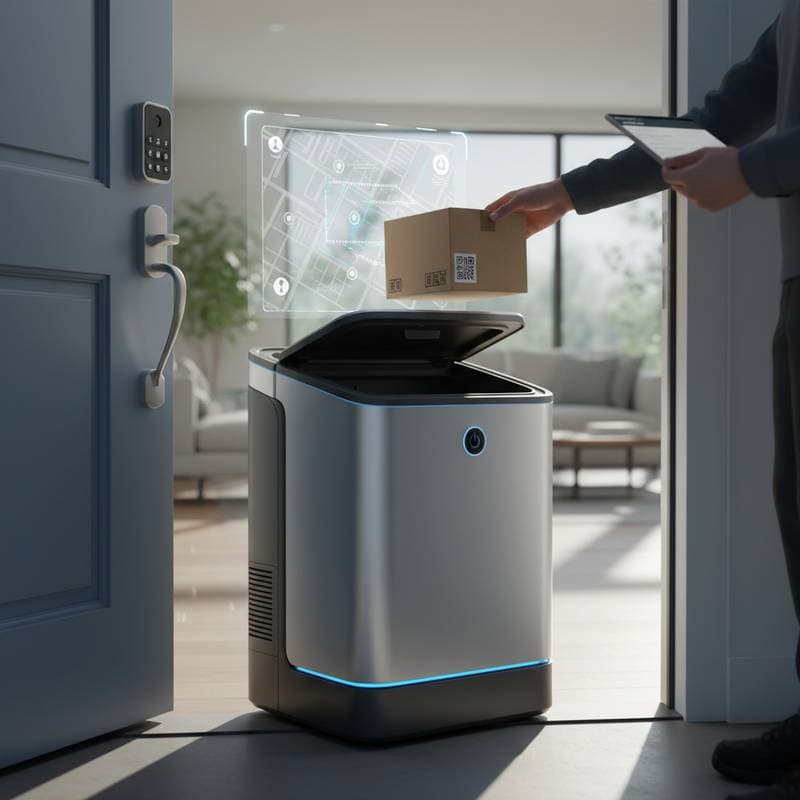
The concept begins with a delivery notification from services like Amazon or UPS. Instead of leaving packages exposed on the porch, the robot vacuum activates upon alert. It navigates to the door, uses integrated sensors to confirm the package, and transports it to a designated secure spot inside the home.
How Delivery Retrieval Works
The process relies on seamless communication between the robot, smart home systems, and delivery apps. When a package arrives, the app sends a signal to the vacuum's base station. The robot then follows a pre-mapped path to the entry point, avoiding obstacles with lidar and camera technology.
Upon reaching the door, the vacuum interfaces with a smart lock. Users grant temporary access via the app, ensuring only authorized retrieval occurs. The robot grips the package using adjustable arms or a secure compartment, then returns indoors, depositing it in a locked cabinet or shelf.
This system minimizes theft risks, as packages spend minimal time outside. For larger homes, robots employ multi-room mapping to optimize routes, reducing retrieval time to under two minutes in most cases.
Key Technologies Enabling This Feature
Precise navigation forms the foundation of delivery-capable robots. Advanced mapping algorithms create detailed floor plans, updated in real-time to account for furniture rearrangements. Infrared sensors detect package shapes and sizes, preventing attempts to retrieve oversized items.
Security features include encrypted data transmission between the robot and external devices. Biometric verification on the app confirms user identity before activation. Some models incorporate cameras that record the retrieval process, providing footage for insurance or dispute resolution.
Integration with voice assistants like Alexa or Google Home allows hands-free control. Users issue commands such as "retrieve my package," and the system executes the task autonomously. Battery life extends up to four hours on a single charge, sufficient for cleaning cycles plus retrieval missions.
Available Models and Pricing
Entry-level options start at around $300, suitable for small apartments. Brands like iRobot offer the Roomba Delivery Edition, which combines basic vacuuming with package handling for lightweight items under five pounds. These models connect via Wi-Fi and require minimal setup, ideal for tech novices.
Mid-range devices, priced between $500 and $800, add enhanced security like tamper-proof compartments. Ecovacs Deebot models feature dual-purpose arms for both cleaning attachments and package gripping. They support multiple daily retrievals, perfect for frequent online shoppers.
Premium versions exceed $1,000, incorporating AI for predictive behaviors. Samsung's Jet Bot AI Plus uses machine learning to anticipate delivery times based on user patterns. These high-end units offer customizable storage solutions, such as refrigerated compartments for perishable goods.
- Assess your home layout to choose a model with adequate mapping range.
- Verify compatibility with your smart lock system during purchase.
- Test the retrieval function in a controlled setting before full reliance.
Benefits for Everyday Life
This technology saves time by automating a common hassle. Homeowners avoid checking the door repeatedly or coordinating with neighbors for package holding. For busy professionals or families, the convenience translates to fewer missed deliveries and reduced stress.
Safety improves through controlled access. Packages arrive directly into secure areas, deterring porch pirates who target unattended homes. Parents appreciate the feature for keeping deliveries away from children or pets during cleaning sessions.
Environmental gains emerge as well. By encouraging efficient home automation, these robots reduce unnecessary trips to pickup points, lowering carbon footprints from delivery vans. Users report up to 20 percent less waste from damaged outdoor packages.
Addressing Potential Concerns
Privacy remains a priority with opt-in camera usage and data encryption standards. Manufacturers comply with regulations like GDPR for user information protection. Battery failures pose minimal risk, as robots include fail-safes to return to base if power wanes mid-task.
Initial costs may deter some, but long-term savings from prevented theft and streamlined routines offset expenses. Maintenance involves standard vacuum upkeep plus occasional arm calibration, easily handled through app-guided tutorials.
For those with multi-story homes, current models focus on single-level operation. Future updates promise elevator integration, expanding accessibility.
Embracing Smarter Home Management
Adopting a delivery-retrieving robot transforms routine tasks into effortless processes. These devices bridge cleaning and logistics, fostering truly connected living spaces. As technology advances, expect even broader applications, making homes more intuitive and secure.
Consider integrating this feature into your smart ecosystem today. The blend of reliability and innovation ensures packages arrive safely while floors stay spotless, elevating daily comfort without compromise.