Hub-Free Smart Appliances Enable Seamless Kitchen Connectivity
Smart homes advance toward practical integration, particularly in kitchens. Connected appliances now exchange information directly, bypassing central hubs. This evolution simplifies cooking, cleaning, and home interactions, allowing technology to support routines without drawing attention.
Transition to Direct Device Communication
Early smart home setups depended on central hubs to facilitate device interactions. Such systems often proved cumbersome, with challenging installations and unreliable connections. Current designs emphasize direct links via Wi-Fi, Bluetooth, or universal protocols, enabling appliances to operate independently.
This change lowers adoption hurdles by eliminating additional equipment and ecosystem dependencies. Surveys indicate that consumers favor plug-and-play solutions, aligning with preferences for straightforward functionality in high-use areas like kitchens.
Unified Cooking Coordination
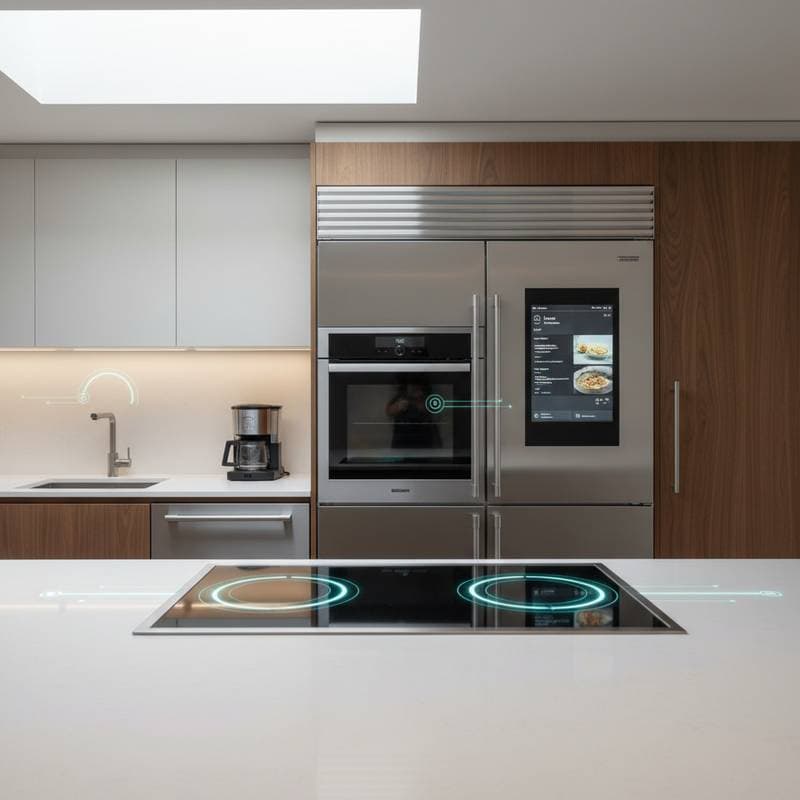
Consider a routine where a voice command initiates coffee brewing alongside oven preheating for pastries. Direct connectivity supports this through shared protocols, fostering collaborative appliance functions.
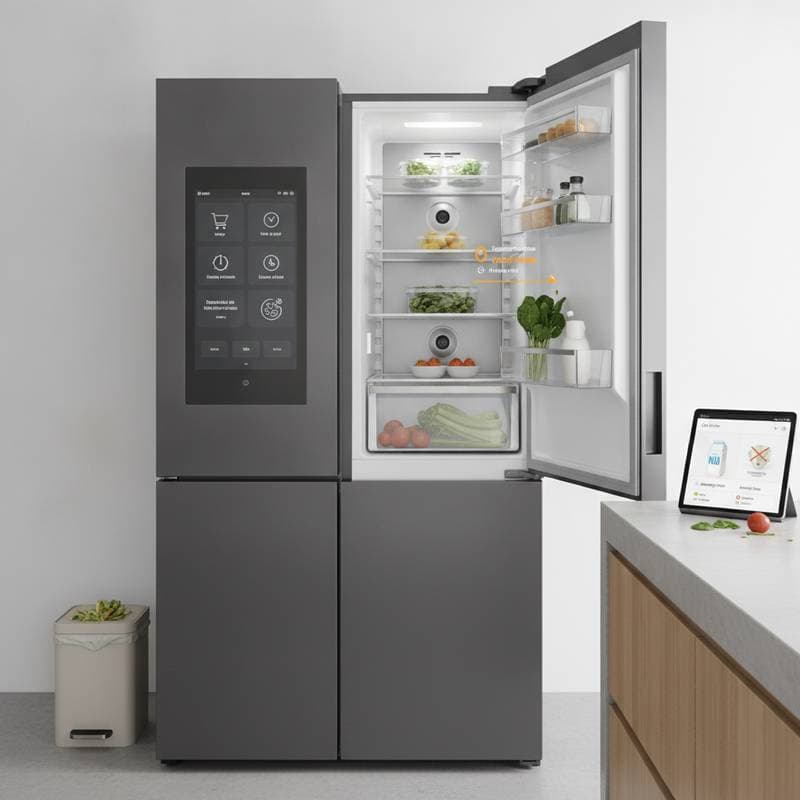
Leading manufacturers such as Samsung, LG, and GE introduce ovens, refrigerators, and dishwashers with real-time synchronization capabilities. For example, selecting a recipe on one device prompts the oven to set precise temperatures, while the refrigerator recommends accompaniments from inventory scans. These interactions streamline preparation and integrate seamlessly into daily habits.
Optimized Energy Coordination
Energy conservation emerges as a core expectation in modern appliances. Hub-free models autonomously adjust operations, such as postponing dishwasher cycles to off-peak periods or refining refrigerator cooling based on historical data.
Studies reveal that interconnected devices cut household energy use via automated optimizations. Independent management ensures system stability, with selective communication among units, resulting in reduced bills and ecological benefits.
Simplified Voice and App Integration
Voice assistants integrate natively into contemporary appliances, removing hub dependencies. Compatibility with Alexa, Google Assistant, or Siri occurs through direct network pairing, maintaining uniform operation.
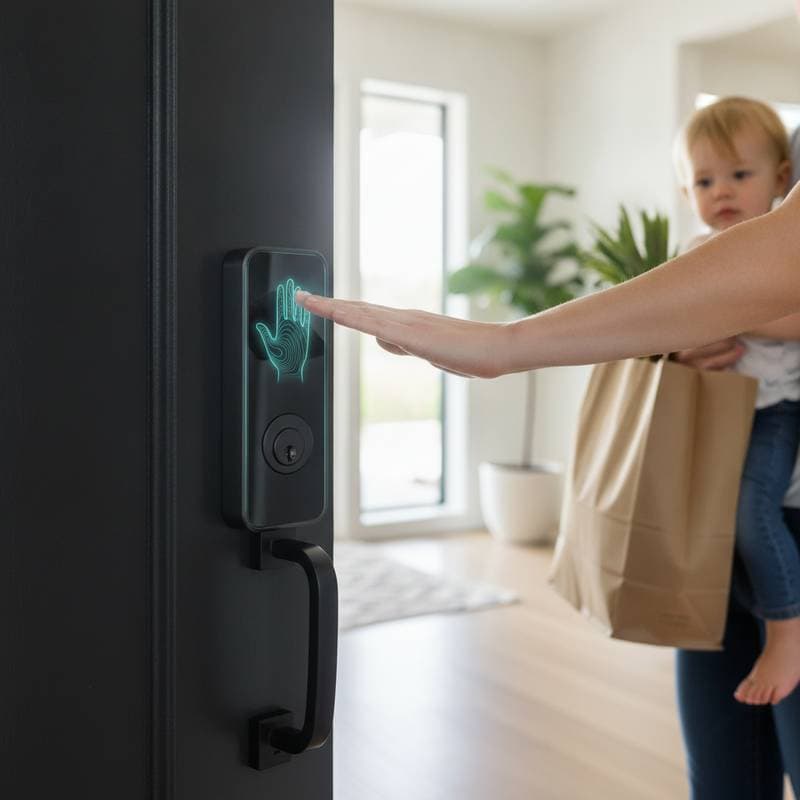
Users manage fewer applications and credentials, as one platform oversees tasks from oven activation to door status checks. This accessibility appeals to beginners, promoting widespread adoption without technical barriers.
Proactive Maintenance Notifications
Reliability defines connected kitchens beyond mere convenience. Embedded diagnostics in hub-free appliances transmit alerts to mobile devices or service providers, enabling swift issue resolution and preventive actions.
A dishwasher sensing irregular water flow, for instance, can initiate service scheduling via manufacturer applications. Direct data transmission accelerates responses, minimizing disruptions and repair expenses.
Enhanced Interoperability Standards
Compatibility challenges once hindered smart home growth. Emerging standards now permit cross-brand communication, freeing selections from ecosystem limitations.
In multi-brand kitchens, an oven shares insights with a disparate refrigerator, yielding integrated performance. This openness spurs innovation, prioritizing user-centric designs over restrictive networks.
Personalized Cooking Insights
Direct systems facilitate habit-based adaptations. Ovens recall custom settings for dishes like pizza, and coffee makers align brews with wake times, delivering intuitive support.
Onboard sensors and processors handle local data processing, minimizing delays and enhancing privacy by limiting external transmissions. Users experience tailored assistance that anticipates needs.
Design Advantages of Direct Connectivity
Functional gains accompany visual improvements. Eliminating hubs reduces countertop and cabinet clutter, promoting sleek integrations.
Appliance makers embed discreet controls, such as ambient lighting or mobile interfaces, harmonizing with minimalist aesthetics. Technology thus complements spatial harmony.
Advancing Kitchen Automation Horizons
Future developments emphasize anticipatory functions. Refrigerators may automate restocking or recipe proposals from internal assessments, while ovens preheat upon detecting arrivals with scanned ingredients.
Embracing Integrated Kitchen Efficiency
Mainstream hub-free appliances transform kitchens into supportive environments. Direct connectivity prioritizes simplification, reducing routine interruptions for households.
This approach elevates daily experiences through balanced automation and user oversight.