Imagine finishing dinner and loading your dishwasher before bed, only to wake up knowing it ran overnight when electricity rates were lowest. Your refrigerator maintained its steady temperature, your water heater preheated just before sunrise, and you incurred a fraction of your usual energy cost. This scenario represents the reality of smart appliances synchronized with the power grid, delivering real-time savings without effort.
Understanding Off-Peak Power Dynamics
Electric grids experience peak and off-peak hours daily. Peak periods occur when demand surges, driving up electricity rates as utilities manage high loads. Off-peak times, typically late evenings or early mornings, feature lower demand, prompting utilities to reduce rates and balance the system.
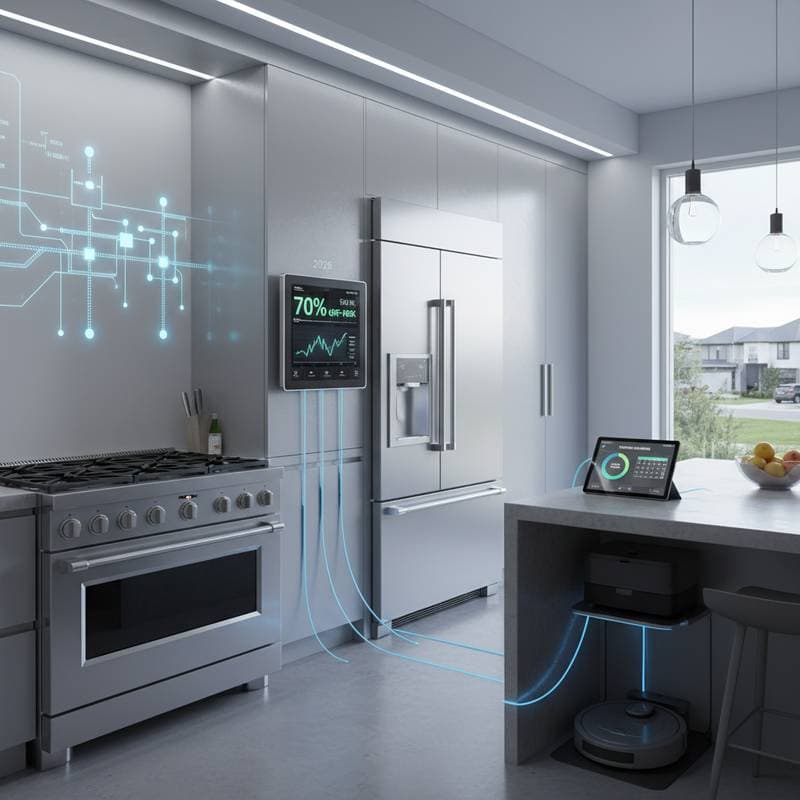
Traditional households operate appliances during these peak windows, contributing to higher bills and grid stress. Smart appliances integrated with grid technology reverse this pattern. These devices receive signals from utilities and adjust operations to align with off-peak availability, potentially reducing energy costs by up to 70 percent for participating households.
The key advantage rests in seamless automation. Homeowners configure initial settings, after which the system operates independently, optimizing usage while preserving daily routines.
Mechanisms of Grid-Synchronized Appliances
Central to this technology is demand response, a protocol enabling utilities to transmit signals to connected appliances. These signals prompt devices to modify power consumption during high-cost periods, such as delaying non-urgent tasks until rates decline.
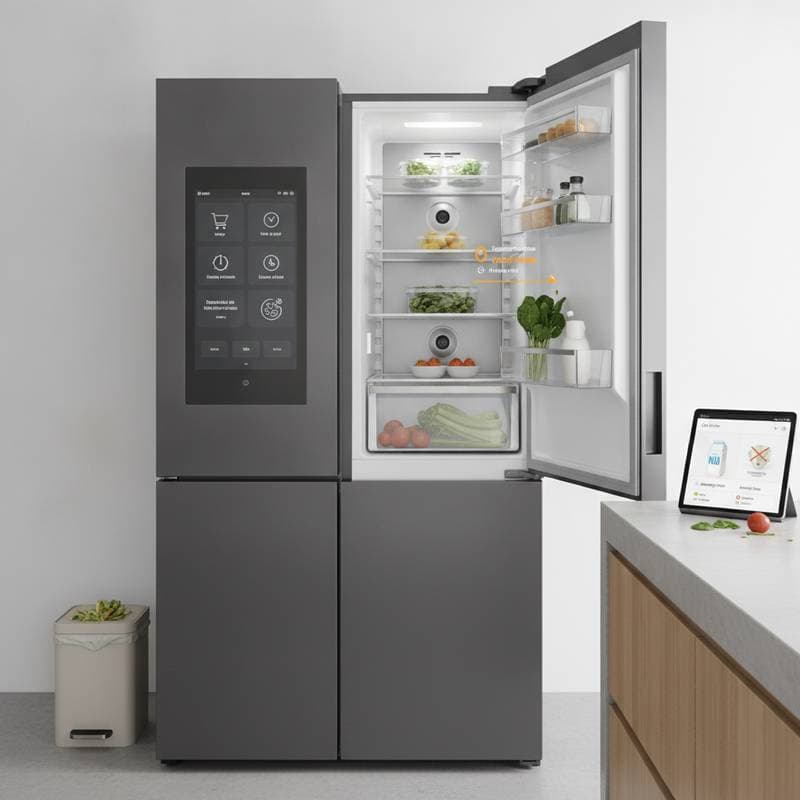
Modern smart refrigerators, washing machines, and heating, ventilation, and air conditioning systems incorporate networked sensors for signal interpretation. Consider a smart washing machine: it might interrupt a cycle for 15 minutes amid a demand spike, resuming seamlessly when conditions improve. Such adjustments accumulate significant savings over months, often imperceptible to users.
Advanced Feature Spotlight
Certain models feature grid learning algorithms that analyze local utility rate patterns over weeks. This capability enables appliances to predict fluctuations and preemptively schedule operations. Activation requires enrollment in the utility's smart energy program; verify compatibility during purchase to unlock these efficiencies.
Selecting Compatible Smart Appliances
Prioritize models certified under the ENERGY STAR Smart Home Energy Management standard or endorsed by your utility for grid integration. Below is a categorized overview of recommended appliances by price tier:
- Entry-Level Selection: GE Profile UltraFresh Front Load Washer (approximately $899). This unit connects via WiFi and employs the SmartHQ app for cycle scheduling aligned with off-peak periods.
- Intermediate Option: LG ThinQ Smart Refrigerator (approximately $1,799). It interfaces with participating utilities for load shifting and monitors door activity plus compressor performance to optimize energy draw.
- High-End Choice: Samsung Bespoke AI Oven (approximately $2,999). Integrated with SmartThings Energy, it adapts cooking and preheating based on live pricing data.
For multi-brand setups, select a unified platform like SmartThings, Alexa Energy Dashboard, or Google Home Energy Insights. These systems facilitate coordinated scheduling across devices, preventing overlapping power demands.
Implementing Grid Integration
Basic setup typically requires under an hour through the appliance's app and utility credentials. Proceed with these steps:
- Verify Program Access. Navigate to your utility's online portal to confirm availability of dynamic pricing or demand response initiatives.
- Establish Connections. Secure WiFi linkage for each device, followed by granting utility permissions within the app interface.
- Customize Settings. Define the extent of energy shifting, balancing savings goals with comfort priorities.
- Track Outcomes. Utilize the app's dashboard to observe current rates and cumulative savings.
For comprehensive installations involving HVAC or water heaters, engage a licensed electrician. Professionals ensure secure wiring and adherence to regional regulations.
Key Factors to Evaluate
Grid-compatible smart appliances command a 10 to 20 percent premium over standard versions. Payback periods generally span one to two years, influenced by prevailing local rates and usage patterns.
Users retain full control, with options to manually override automations as needed. Addressing privacy concerns, established manufacturers employ encryption for data transmission, restricting shared details to essential energy metrics.
Advancing Toward Energy Optimization
Grid-synchronized appliances provide a tangible route to reduced bills and enhanced sustainability. Initiate with a single device to assess benefits, then scale integration gradually.
Explore the XavageTech Marketplace to link with certified specialists in smart grid setups. Achieving 70 percent savings on off-peak energy hinges on precise timing, intelligent automation, and informed choices. As appliances adapt to your household patterns and grid economics, they foster greater efficiency and self-reliance.
Frequently Asked Questions
What qualifies as off-peak hours? Off-peak periods vary by utility but commonly include evenings after 9 p.m. and early mornings before 7 a.m., when demand is minimal.
Do all smart appliances support grid syncing? Not all models do; seek those with ENERGY STAR certification or explicit utility compatibility to ensure functionality.
How secure is the data shared with utilities? Reputable systems use end-to-end encryption, sharing only anonymized usage data to prevent personal identification.
Can I integrate existing appliances? Retrofitting kits exist for some devices, but new purchases offer the most reliable grid-responsive features.
What if automation disrupts my schedule? Override options allow immediate manual control, ensuring flexibility for urgent needs.