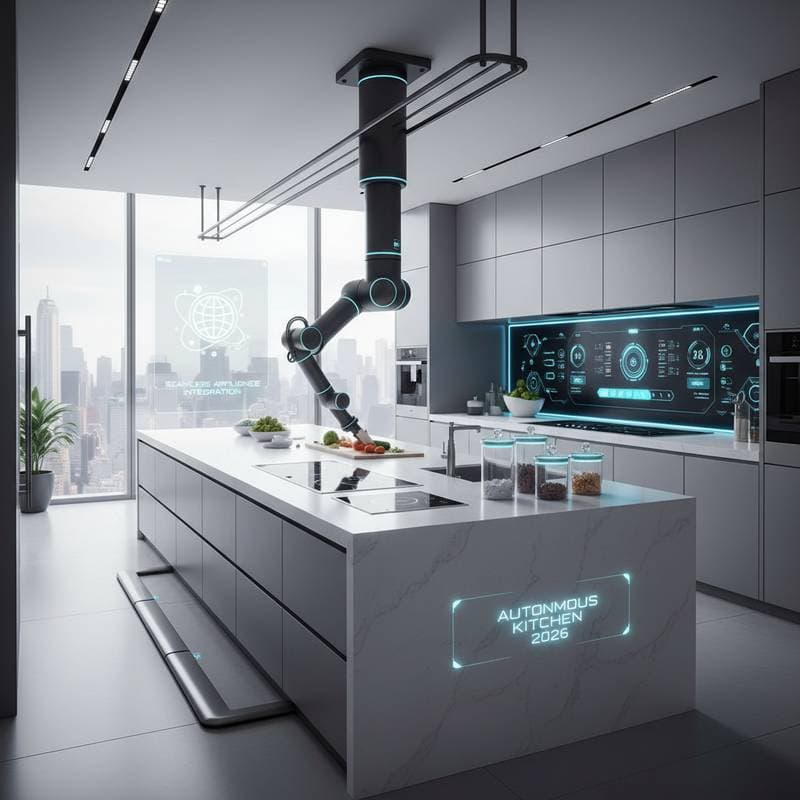
Autonomous Kitchens Revolutionize Meal Preparation by 2026
Smart kitchens represent the fastest-evolving segment of connected home technology. Initial developments included voice-activated lighting and remote-controlled appliances. Now, these spaces advance toward full autonomy, where the kitchen plans, prepares, and cooks meals independently. Homeowners will soon return to complete dinners without lifting a finger, as prototypes demonstrate this capability across major manufacturers.
1. Robotic Systems Drive Precise Cooking
Autonomous meal preparation relies on robotic accuracy. Advanced kitchen robots employ machine vision and sensors to perform tasks such as chopping vegetables, stirring sauces, and sautéing proteins with professional skill. These machines execute digital recipes through precise timing and temperature adjustments, adapting instantly to variations like ingredient moisture levels.
Such precision builds reliability in home systems. A robot that maintains consistent results eliminates common errors, such as scorching delicate sauces or overcooking grains. Prototypes from companies like Moley Robotics showcase libraries of over 500 recipes, operable via simple touchscreen selection, allowing users to enjoy restaurant-quality meals with minimal involvement.
2. Smart Management of Ingredients
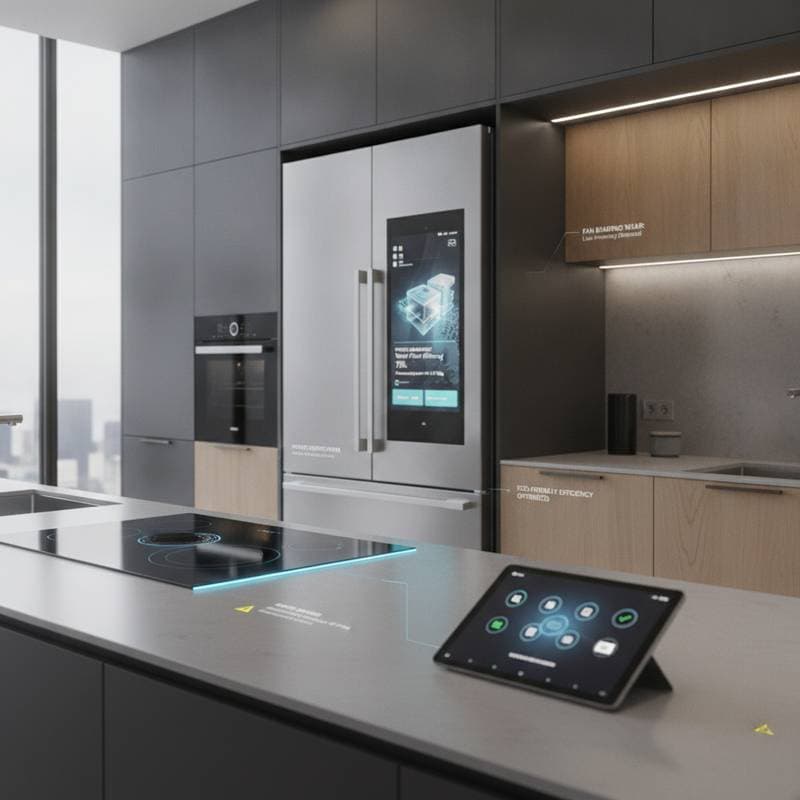
Effective autonomy extends to inventory oversight. Connected refrigerators and pantries feature built-in cameras, weight sensors, and algorithms that monitor stock levels and expiration dates in real time. These tools identify shortages and suggest substitutions based on availability.
This approach enhances efficiency and reduces environmental impact. Households discard significant amounts of food annually; automated monitoring cuts this waste by alerting users to use items promptly. Integration with e-commerce platforms enables seamless reordering, ensuring the kitchen aligns preparations with dietary restrictions and weekly schedules.
3. Intuitive Controls via Voice and Gestures
Control mechanisms in modern kitchens surpass basic voice commands. Enhanced interfaces incorporate gesture recognition and facial analysis, enabling fluid interactions during daily routines. Users can halt a timer with a hand wave or instruct an oven to alter settings without physical contact.
These features promote hygiene and ease, especially in busy environments. Natural language processing interprets complex requests, creating an intuitive atmosphere. Leading brands report increased user satisfaction, as such systems minimize disruptions and support multitasking without compromising safety.
4. AI-Driven Customization of Recipes
Meal preferences vary widely across households, from vegan diets to low-carb plans. Artificial intelligence personalizes recipes by reviewing historical data, nutritional profiles, and inputs from fitness trackers. The system generates variations that align with health objectives and flavor profiles.
Personalization elevates automation from tool to collaborator. It streamlines planning by suggesting balanced menus that evolve with user feedback. Developers connect these AIs to expansive databases, refining recommendations over months to match evolving tastes and nutritional needs.
5. Optimized Energy Use in Automated Cooking
Sustainability shapes the design of smart kitchens. Autonomous systems preheat appliances only as required, modulate power based on real-time needs, and synchronize devices to avoid overlap. For instance, a stovetop adjusts flame intensity to the pot size, conserving resources.
Energy management addresses rising utility costs and ecological concerns. Integrated setups lower consumption by 15 to 20 percent, according to industry projections. Homeowners benefit from reduced bills and a smaller carbon footprint, making adoption appealing for environmentally aware families.
6. Unified Connectivity Across Appliances
Full autonomy demands cohesive operation among kitchen components. Ovens, refrigerators, induction cooktops, and dishwashers exchange data via standardized protocols like Matter. This network enables a fridge to signal an oven when ingredients reach optimal temperature.
Interoperability eliminates fragmented experiences. Users issue one command to initiate a multi-step process, from preparation to cleanup. As compatibility standards mature, multi-brand setups become viable, simplifying upgrades and expanding functionality without proprietary lock-in.
7. Proactive Safety and Maintenance Features
Sensors embedded in appliances serve dual purposes: guiding operations and safeguarding users. Systems detect anomalies such as overheating elements, gas irregularities, or wiring issues, issuing alerts before problems escalate. Routine diagnostics predict component wear, scheduling services proactively.
Reliability fosters confidence in automated environments. Families gain assurance knowing the kitchen self-monitors for hazards, particularly vital in homes with young children or seniors. Investments in these technologies ensure longevity, minimizing downtime and repair expenses.
8. Digital Assistants Enhance the Culinary Experience
Virtual aides function as sous chefs, proposing complementary dishes or modifying seasonings based on preferences. Integration with home ecosystems adjusts ambient elements, like dimming lights for dinner service. These companions draw from user data to anticipate needs, such as preparing snacks for gatherings.
This level of assistance redefines kitchen interactions. Cooking shifts from chore to orchestrated event, synchronized with daily rhythms. Broader connectivity enriches routines, turning meals into personalized moments of enjoyment.
Embracing the Benefits of Autonomous Kitchens
By 2026, robotic kitchens will integrate these elements into seamless operations, freeing time for what matters most. Homeowners experience reduced stress, healthier eating, and sustainable practices. Adopting this technology promises a future where culinary creativity thrives without the demands of traditional preparation.