Robotic Kitchen Arms Prepare Gourmet Meals While You Focus on Life
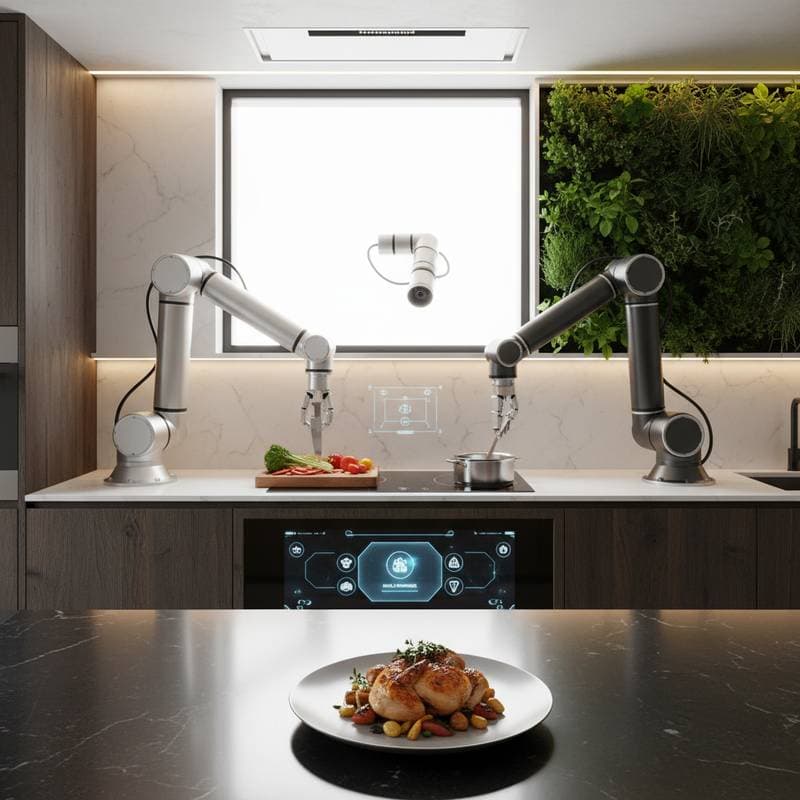
Smart homes advance beyond basic controls like voice-activated lights and thermostats. The kitchen emerges as the next key area for innovation, where robotic arms now manage tasks such as chopping ingredients, stirring pots, and arranging plates. These devices integrate seamlessly into domestic spaces, execute authentic recipes, and reclaim valuable hours. Picture arriving home after a long day to discover seared salmon paired with roasted vegetables, all crafted by an automated system in your kitchen.
The Emergence of Automated Kitchen Technology
Kitchens have long resisted full automation compared to other home areas like heating systems or security setups. Recent developments introduce robotic arms capable of mimicking the skills of trained chefs. These units rely on sensors for measurement, cameras for monitoring, and algorithms to execute recipes with precise timing.
Surveys indicate rising interest among homeowners, particularly those managing careers alongside family responsibilities. The advantages include eliminating meal preparation anxiety, minimizing unused ingredients, and delivering uniform results. Such systems function like dedicated culinary experts that operate without fatigue or oversight lapses.
Mechanics Behind Robotic Kitchen Arms
These robotic arms draw from industrial automation designs, scaled for household application. They incorporate flexible joints for smooth movements, gentle grippers for cookware handling, and integration with induction cooktops for accurate heat management. Onboard cameras monitor utensil locations, while proprietary software converts recipe instructions into sequential actions.
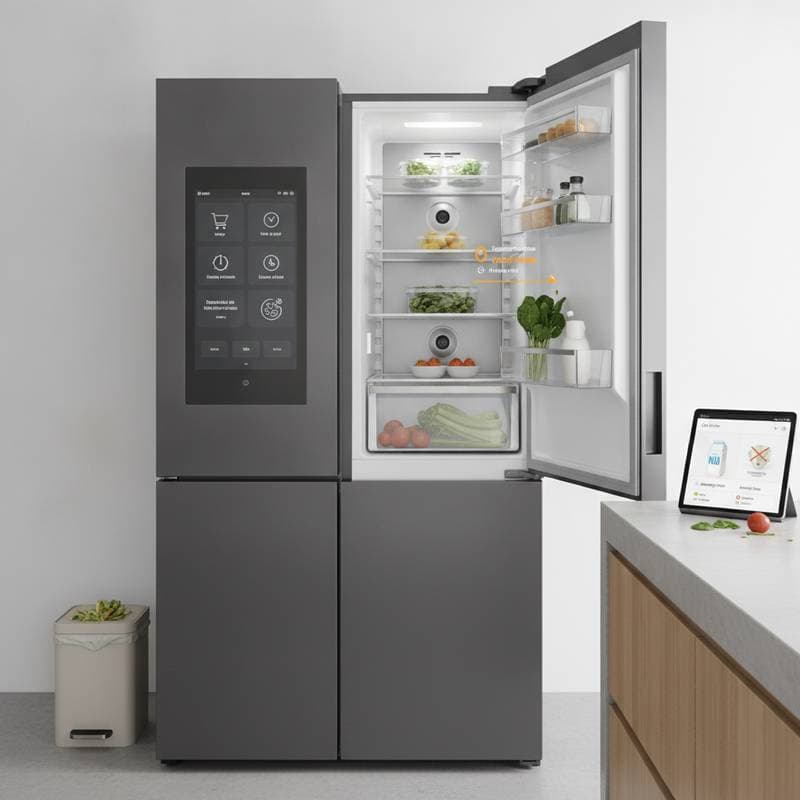
Certain models include automated dispensers for spices and ingredients, paired with refrigerators that track stock levels. Low supplies trigger notifications or automated reordering through connected services. Integration with voice-activated assistants enables simple commands, such as initiating a meal preparation sequence with a spoken directive.
Benefits for Daily Routines
Time recovery stands as the primary advantage of robotic cooking assistance. Individuals dedicate substantial weekly hours to menu planning, cooking, and cleanup. These systems reclaim that duration for other pursuits. They also prevent mistakes and excess by adhering to exact quantities and methods.
For families, meals can complete while supervising children's studies. Seniors gain enhanced autonomy and reduced risks by avoiding tasks involving blades or high heat. The devices ensure repeatable outcomes in flavor and presentation, supporting adherence to health objectives or recreation of preferred recipes.
Robotic arms adapt instructions to serve varying group sizes or accommodate specific diets, merging practicality with customization. Users select modifications via apps, such as reducing sodium or increasing vegetable portions, for tailored results.
Pioneering Systems in Action
Innovative firms lead the development of comprehensive automated kitchens. One prominent solution employs dual robotic arms to execute over 200 recipes from an extensive digital collection. Selection occurs through a mobile interface, prompting the unit to source components, cook the dish, and sanitize surfaces post-use.
Another approach involves space-efficient countertop units specialized for tasks like wok-based stir-fries or boiling pasta, ideal for compact living areas. Commercial kitchens in eateries deploy scaled-up variants to handle peak demands, demonstrating that automation upholds standards of taste and efficiency.
This exchange of technology between professional and residential settings fuels rapid progress, making advanced features more attainable for households.
Barriers to Widespread Use
Excitement surrounds these innovations, yet full integration faces hurdles. High initial costs stem from intricate components and embedded safety protocols. Installation demands may include dedicated counter space or structural adjustments.
Users encounter an adjustment period in relying on machinery for traditionally hands-on activities. Experts forecast price reductions through increased manufacturing and market competition. Advancements in interoperability standards facilitate easier incorporation with existing appliances.
Modular designs allow gradual upgrades, starting with basic functions before expanding to complete systems.
Implications for Future Home Culinary Practices
Automated cooking enhances options rather than supplanting the pleasure of hands-on creation. Individuals retain control to prepare meals personally or delegate to the system during hectic periods. This shifts routine tasks from burdens to flexible choices, balancing efficiency with creative expression.
Future iterations promise deeper customization, such as adjusting seasonings to individual tastes, monitoring nutritional intake, or recommending dishes aligned with energy levels. Synergy with elements like intelligent ovens and responsive cookware positions the kitchen as the home's most adaptive environment.
Steps to Integrate Robotic Cooking
To introduce automation, begin with targeted devices that handle specific stages, such as precise sous-vide cooking or automated portioning. These often link via unified ecosystems, simplifying future enhancements.
Evaluate your space and needs: compact models suit apartments, while full setups fit larger kitchens. Research compatibility with current appliances to ensure smooth operation. As accessibility improves, kitchens evolve into zones of ease, where personalized, ready meals become standard. This technology not only streamlines preparation but also fosters lifestyles centered on meaningful activities.