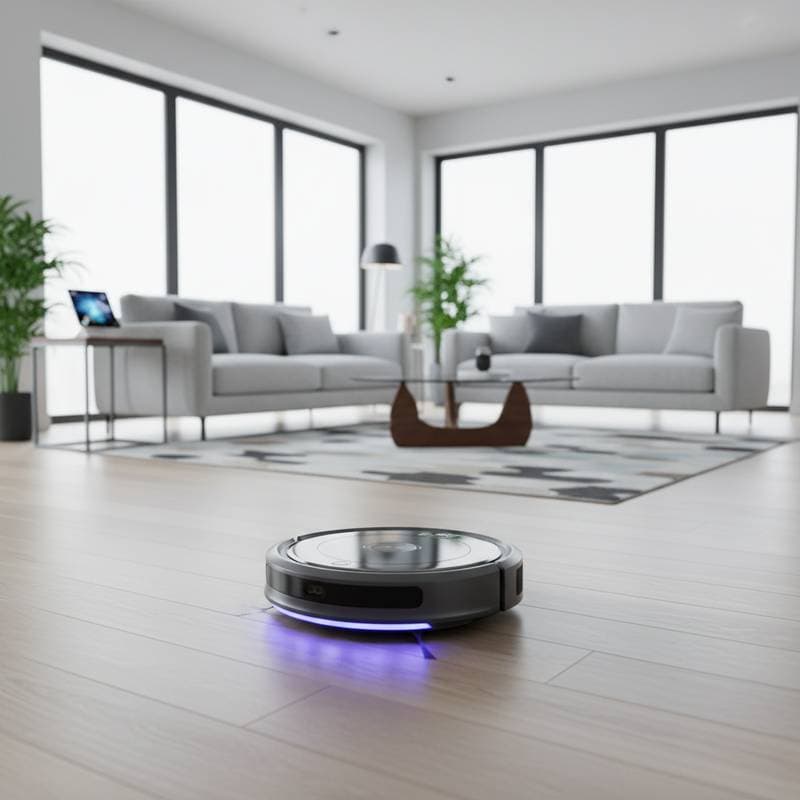
Robot Vacuums with UV Sterilization for Germ-Free Homes
Smart cleaning technology has advanced beyond basic vacuuming. Devices now handle mapping, obstacle avoidance, and docking autonomously. The integration of ultraviolet sterilization elevates these functions, delivering not only dust removal but also pathogen elimination for improved indoor health.
Homeowners seek efficient ways to uphold hygiene amid busy schedules. These combined technologies address that need, positioning UV-enhanced robot vacuums as key smart home components.
The Rise of UV-Enhanced Cleaning
Robot vacuums provide proven convenience through automated navigation and scheduling. UV sterilization introduces germ-killing capabilities using UV-C light, which damages bacterial and viral DNA to prevent reproduction. This addition transforms routine cleaning into a comprehensive sanitation process.
Consumer demand for hygiene solutions drives innovation. Recent surveys indicate that 70 percent of smart home buyers prioritize air quality and surface cleanliness. Brands respond with UV options that avoid chemical residues, appealing to environmentally conscious users.
How UV Robot Vacuums Work
These vacuums merge suction, brushing, and UV light in one cycle. As the device moves, sensors position the underbody UV module close to the floor, activating the light during operation. The system deactivates the UV upon stopping or lifting to ensure safety.
Many units incorporate HEPA filters to trap allergens alongside UV action, targeting both visible dirt and microscopic threats. This dual approach benefits households with sensitive members, such as those with allergies or young children.
Why UV Sterilization Matters for Everyday Living
Standard cleaning often misses hidden contaminants on floors from foot traffic or pet activity. UV light neutralizes these threats without introducing harsh chemicals, reducing odors and residues. The method supports sustainable practices by relying on energy-efficient light.
Automation allows users to program daily or weekly runs, freeing time for other priorities. Consistent use lowers allergen buildup, maintaining both appearance and air quality in the home.
Real-World Examples of Smart Sterilizing Robots
Leading brands offer varied UV models to suit different needs. Compact versions with single UV lamps fit small spaces, while larger units feature multiple lamps and self-emptying docks for extended use. One notable device adds mopping functions, applying UV during wet cleaning for thorough hard-floor treatment.
Affordability improves with market growth; entry-level UV models now start under $300. Experts forecast widespread adoption as users value the added health benefits alongside convenience.
The Science Behind the Shine
UV-C technology, validated in medical settings for over 50 years, effectively reduces microbes on surfaces. In home devices, the light targets DNA structures to halt pathogen growth. Shorter exposure times in vacuums prove sufficient through repeated cycles.
Optimal results occur on hard surfaces where light reaches directly. Combining this with mechanical sweeping ensures broad coverage, creating a layered defense against contaminants.
Balancing Safety and Effectiveness
Safety features mitigate UV exposure risks. Proximity sensors activate the light only during floor contact and motion, shutting it off if the unit lifts. Additional tilt detectors provide extra protection for pets and family members.
Devices undergo rigorous testing for compliance with safety regulations. App-based controls enable remote operation, allowing runs during absences for uninterrupted hygiene maintenance.
Integration with Smart Home Ecosystems
These vacuums connect via Wi-Fi to voice assistants like Alexa or Google Assistant. Users schedule cleanings based on routines, such as post-commute activation. Automation links them to other devices for proactive responses.
For example, integration with smart thermostats can trigger cleaning when humidity rises, preventing mold. This networked approach fosters a cohesive, self-maintaining home environment.
Overcoming Common Challenges
Battery constraints may shorten UV runtime in extensive cleanings; newer models extend sessions up to 150 minutes. On carpets, light penetration limits surface-only effects, so hybrid modes adjust for floor types.
Initial costs range from $250 to $800, but efficiencies in cleaning supplies yield savings. Ongoing software updates enhance performance, addressing early limitations through user feedback.
Practical Steps for Adopting UV Robot Vacuums
Select a model based on home size and flooring: prioritize mopping-UV combos for tile or hardwood. Test app compatibility with existing smart devices for seamless setup. Begin with scheduled nightly runs to build hygiene habits without disruption.
Maintenance involves emptying dust bins weekly and wiping sensors monthly. Monitor performance via app logs to optimize paths and timing for maximum effectiveness.
Advancing Home Health Through Automation
UV robot vacuums bridge convenience and wellness, sanitizing spaces effortlessly. They reduce manual labor while minimizing health risks from everyday grime. As integration deepens, these tools support proactive home care.
Users gain not just cleaner floors but enhanced daily comfort. This evolution in smart technology promotes healthier lifestyles with reliable, hands-off sanitation.