Robot Vacuums Now Sort Your Clutter Too
The Evolution of Home Cleaning Automation
Robot vacuums have transformed household chores over the past decade. Initially designed to navigate floors and remove dust, these devices now incorporate artificial intelligence to handle more complex tasks. The latest models go beyond vacuuming by identifying and organizing clutter, turning a basic cleaning tool into a comprehensive home management assistant.
This shift reflects broader advancements in smart home technology. Manufacturers integrate sensors, cameras, and algorithms to create machines that learn from their environments. As a result, users experience reduced manual effort in maintaining tidy spaces.
How AI Enables Clutter Sorting
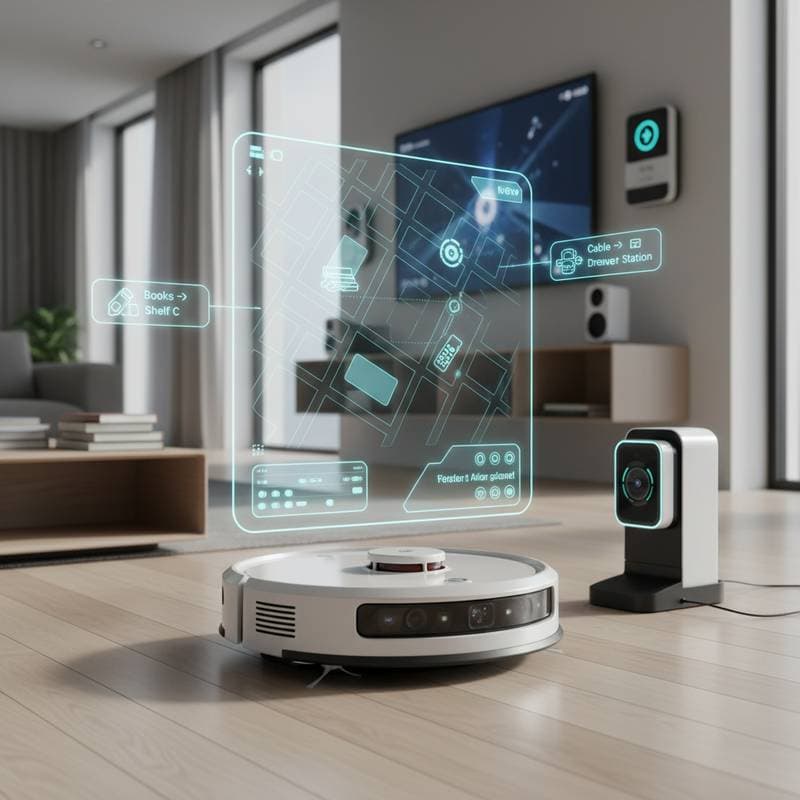
At the core of these innovations lie advanced detection systems. High-resolution cameras capture images of floors and surfaces, while LiDAR sensors map room layouts in real time. Machine learning algorithms analyze this data to distinguish between dirt, small objects, and larger items that require sorting.
For instance, when the robot encounters scattered toys or cables, it pauses vacuuming and activates sorting mode. The device categorizes items based on predefined rules or user preferences, such as directing socks to a laundry bin or papers to a designated folder. Integration with voice assistants allows for on-the-fly adjustments, ensuring the system adapts to individual needs.
These capabilities rely on continuous learning. Over time, the robot refines its recognition accuracy by processing feedback from users. This iterative process minimizes errors and enhances efficiency in cluttered households.
Key Features in Modern Models
Current robot vacuums offer a range of sorting functionalities tailored to different budgets and lifestyles. Entry-level options focus on basic identification, flagging clutter for manual pickup via app notifications. Mid-range devices include mechanical arms or docking stations that gently move items to predefined zones.
Premium models push boundaries with multi-room coordination. Equipped with robotic grippers, they transport lightweight objects across spaces, syncing with smart shelves or bins that open automatically. Additional sensors detect material types, preventing damage to delicate items like glasses or fabrics.
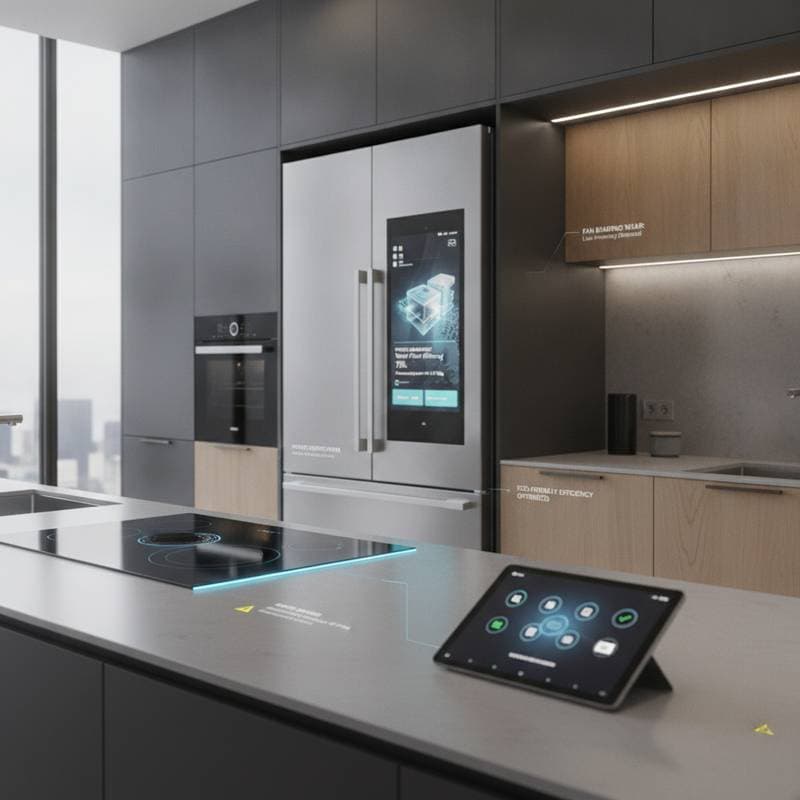
Connectivity plays a vital role. These vacuums link to home networks, sharing data with other devices for holistic organization. For example, a robot might notify a smart thermostat to adjust settings in newly cleared areas, optimizing comfort alongside cleanliness.
Budget-Friendly Options
Affordable models start around $200 and provide essential sorting alerts. Brands like Eufy and iRobot offer versions with object recognition software that vibrates or sounds an alarm upon detecting obstacles. Users receive categorized photos in the companion app, prompting quick interventions without advanced hardware.
Mid-Tier Capabilities
Priced between $300 and $600, these units introduce semi-autonomous sorting. Devices from Ecovacs feature extendable brushes that nudge items toward edges or central collection points. Machine learning improves path planning, avoiding repeated passes over sorted areas.
High-End Innovations
Luxury options exceed $800, incorporating full manipulation tools. Samsung's Jet Bot AI Plus uses dual cameras for precise gripping, while Roborock's S8 series employs elevation mapping to handle multi-level clutter. These systems often include subscription services for software updates, ensuring long-term adaptability.
Practical Steps for Integration
To incorporate a sorting robot vacuum into daily routines, start with setup. Download the manufacturer's app and calibrate sensors in each room. Define sorting categories, such as toys, laundry, or recyclables, to train the AI on household specifics.
Next, establish clear zones. Use virtual boundaries in the app to designate no-go areas or target spots for item relocation. Regular maintenance, like cleaning camera lenses and updating firmware, sustains performance.
Test the system gradually. Begin in high-traffic areas like living rooms, monitoring initial runs for accuracy. Adjust preferences based on observations, such as sensitivity to pet hair versus paper scraps.
- Unbox and charge the device fully.
- Map your home layout through an initial scan.
- Customize sorting rules via the app interface.
- Schedule runs during low-activity periods.
- Review logs weekly to refine operations.
Benefits for Everyday Living
Adopting these advanced robot vacuums yields tangible advantages. Time savings emerge as sorting tasks automate, freeing hours for leisure or work. Homes maintain consistent organization, reducing stress from accumulated mess.
Health improvements follow suit. By promptly addressing clutter, these devices minimize dust buildup and allergen spread. Families with children or pets benefit from safer floors, as the robots proactively clear hazards.
Long-term, integration fosters smarter habits. Users gain insights into clutter patterns through app analytics, encouraging preventive measures. This holistic approach elevates home management from reactive cleaning to proactive harmony.
Embracing a Clutter-Free Future
The integration of sorting capabilities marks a pivotal advancement in robot vacuum technology. These devices blend cleaning with organization, delivering effortless control over living spaces. As AI evolves, expect even greater autonomy, promising homes that adapt intuitively to residents' lives.