Hub-Free Smart Appliances: Direct Connections for Modern Kitchens
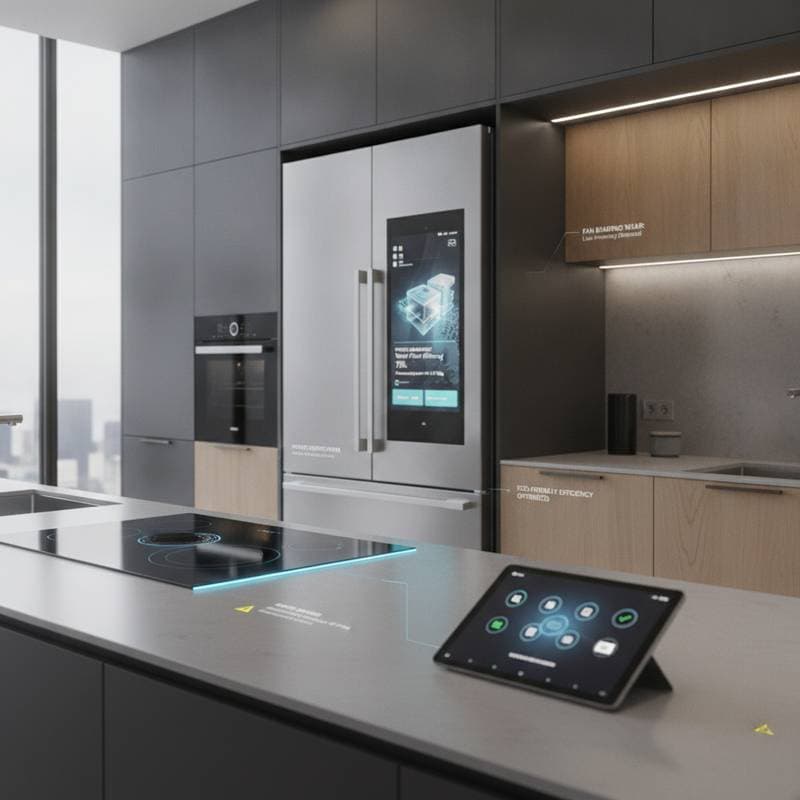
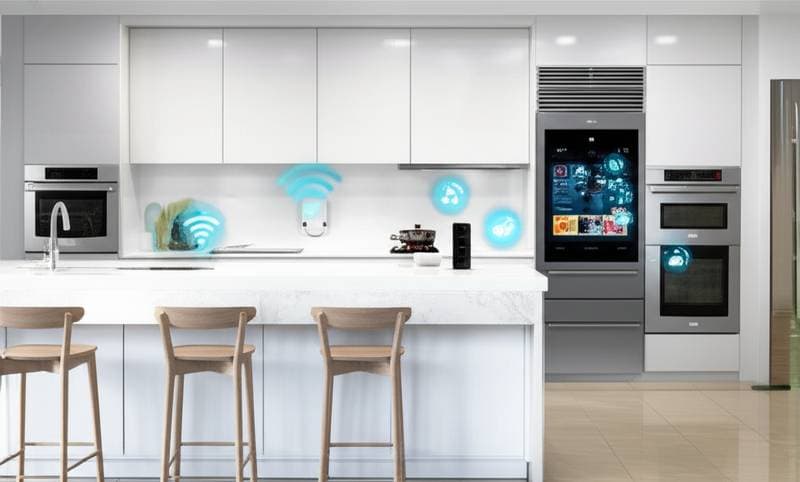
Smart kitchens advance with appliances that communicate directly, bypassing central hubs for streamlined operations. This hub-free ecosystem enables devices to link via Wi-Fi and protocols like Matter, fostering reliability and ease. Homeowners gain from reduced setup complexity, improved device coordination, and enhanced daily efficiency in cooking and household management.
Evolution of Direct Connectivity
Traditional smart appliances depended on central hubs to relay commands between devices and cloud services. These intermediaries added expenses, extended installation times, and introduced failure risks. Recent advancements in wireless technology now permit appliances to establish direct Wi-Fi connections or peer-to-peer links.
For example, a refrigerator transmits inventory updates straight to a smartphone application, while a dishwasher signals completion without intermediary routing. Manufacturers prioritize this approach to deliver intuitive systems that appeal to users seeking simplicity. Such connectivity minimizes disruptions and accelerates responses to user inputs.
Advantages for Homeowners
Hub-free appliances excel in setup simplicity and adaptability. Users connect each device individually to the home Wi-Fi network using a dedicated application, allowing immediate integration into the broader system. This method cuts response times for controls, whether issued via voice or app.
Homeowners benefit from straightforward management during relocations or expansions. Devices from various brands integrate without hub resets, supporting flexible configurations. Renters find these systems portable, as they require no fixed infrastructure.
Achieving Unified Control
Kitchens frequently feature diverse appliances, such as ovens, coffee makers, and inventory-tracking refrigerators from different producers. Previously, hubs translated proprietary protocols to enable collaboration. Current cloud services and Matter standards facilitate direct exchanges, streamlining operations.
A central application or voice assistant oversees all elements efficiently. Voice instructions reach the target appliance promptly through its embedded Wi-Fi. Low-stock alerts from the refrigerator trigger integrated shopping suggestions, creating a cohesive interface with minimal underlying hardware.
Core Technologies Driving Change
These appliances incorporate robust connectivity features, including dual-band Wi-Fi for network stability amid multiple devices. Bluetooth Low Energy handles nearby interactions, such as data sharing between adjacent units, independent of internet access. Cloud platforms synchronize broader automations securely.
Integrated neural processors process tasks on-device, like adapting cooking settings based on usage patterns. This local intelligence decreases reliance on remote servers, enhancing speed and privacy. Together, these elements empower appliances to operate autonomously while contributing to ecosystem harmony.
Practical Implementations from Leading Brands
Innovative examples illustrate hub-free functionality in real settings.
-
Samsung SmartThings Integration: Appliances link directly to Wi-Fi and the SmartThings platform. The application orchestrates meal preparation by aligning oven timers with recipe suggestions and tracking consumption patterns.
-
LG ThinQ System: Refrigerators, ovens, and washers connect via Wi-Fi for centralized oversight. Users adjust internal settings or monitor cycles through the ThinQ interface, ensuring precise control.
-
GE Profile and Café Lines: These units pair seamlessly with Alexa or Google Assistant for voice-operated functions. No additional hardware is necessary for basic commands like temperature adjustments.
-
Bosch Home Connect Platform: Cloud access allows direct appliance management via a unified application. Remote monitoring of operations, such as drying times, occurs without hubs.
These implementations highlight pathways to automated routines that require minimal user intervention.
Tangible Daily Improvements
Hub-free systems enhance routines through proactive features. A coffee maker activates upon detecting morning activity from linked wearables, while an oven preheats in sync with displayed perishables reminders. Each interaction builds a fluid sequence without centralized dependencies.
Energy savings arise from optimized operations and fewer powered components. Direct internet access simplifies firmware updates, maintaining security and performance. Diagnostic processes focus on individual devices, accelerating issue resolution.
Addressing Implementation Hurdles
Wi-Fi overload in device-heavy environments poses a concern, prompting refinements in signal management and channel selection. Cross-brand consistency improves via Matter adoption and standardized interfaces, easing expansions.
Security measures include end-to-end encryption and automated patch delivery. Leading producers embed these safeguards, bolstering user trust in direct-linked networks.
Integration Within Smart Home Trends
Hub-free kitchens align with preferences for unobtrusive technology that supports seamless living. Automation handles repetitive tasks, from meal planning to resource allocation, in interconnected spaces.
Open protocols expand possibilities, linking appliances to lighting or external services. This evolution emphasizes fluid exchanges over isolated tools, advancing toward intuitive environments.
Selecting and Incorporating Hub-Free Appliances
When upgrading, prioritize devices with native Wi-Fi support and compatibility with preferred assistants. Review application feedback for reliability and examine integration capabilities.
Begin with a single unit, such as an oven, to test ecosystem fit before scaling. Retailers often denote hub-free models, aiding informed choices that promote longevity and adaptability.
Embracing Connected Kitchen Efficiency
Hub-free appliances integrate quietly, offering sustained benefits with low maintenance. They streamline tasks, conserve resources, and elevate home dynamics through reliable, direct interactions.