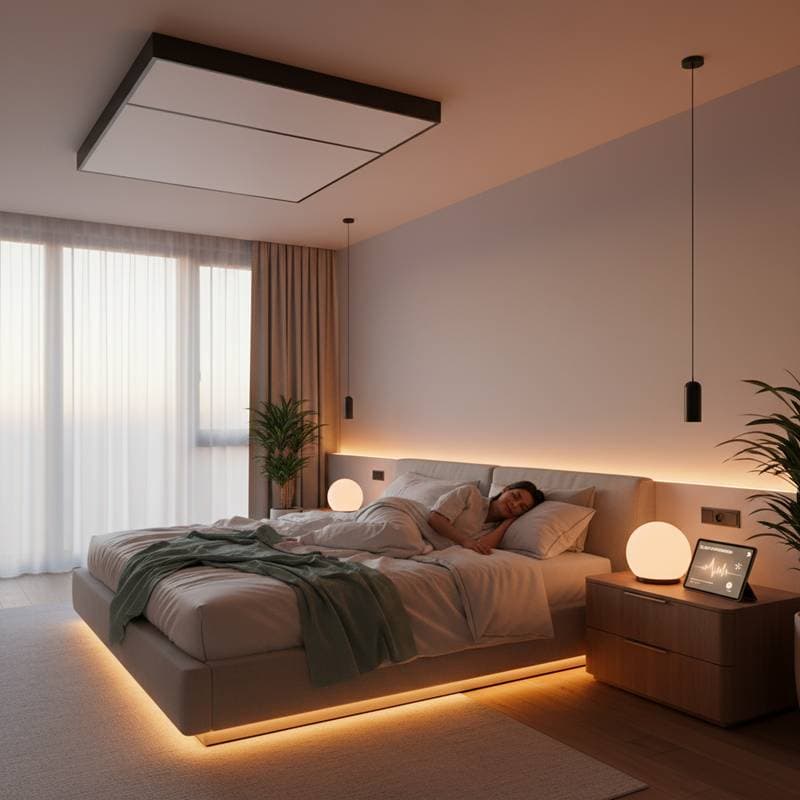
The 45% Sleep Boost from Circadian Smart Lights
Nearly half of adults report difficulty obtaining sufficient quality sleep each night. A rising number discover that lighting serves as a key factor in achieving better rest. Smart lighting, previously valued for convenience and ambiance, now functions as a wellness instrument. The latest circadian smart lights deliver comfort, control, and documented enhancements in sleep quality, with initial research indicating up to a 45% increase in restfulness.
Sleep science integrates into everyday living spaces, yielding notable outcomes. These lights extend beyond mere brightness or color temperature. They align with the body’s internal clock, enabling the brain to identify appropriate times for waking, focusing, relaxing, or sleeping. Individuals seeking improved nights and enhanced days find this transition to circadian lighting among the most effective home modifications.
Understanding Circadian Lighting
Circadian lighting denotes illumination that bolsters the body’s inherent sleep-wake cycle. Daily physiological responses occur in reaction to variations in natural light. Morning sunlight promotes alertness, whereas evening hues prompt melatonin production and readiness for rest. Conventional indoor lighting frequently interferes with this cycle through prolonged exposure to blue-tinted light after sunset.
Advanced circadian systems resolve this problem by dynamically modifying color temperature and intensity to emulate the natural light progression. Brighter, cooler light in the morning invigorates the mind. Gentler, warmer tones in the evening foster tranquility and melatonin synthesis. Consequently, the lighting setup harmonizes with human biology instead of opposing it.
Why Sleep Quality Responds Strongly to Light
The body depends on light signals to govern circadian rhythms. Mismatched light exposure causes hormones such as cortisol and melatonin to desynchronize. This disruption results in drowsiness, sleeplessness, and diminished mood. Numerous individuals overlook the influence of artificial light within this process. Blue light from screens, overhead LEDs, and vivid kitchen fixtures delays sleep onset by deceiving the brain into perceiving ongoing daylight.
In opposition, circadian smart lights facilitate realignment of the internal clock. Consistent application leads users to fall asleep more quickly, remain asleep for extended periods, and awaken feeling revitalized. Emerging consumer studies corroborate these observations, highlighting quantifiable advances in sleep length and quality among households employing human-centric lighting.
Explaining the 45% Sleep Boost
The 45% statistic derives from synthesized results of wellness-oriented lighting investigations and trial initiatives. These demonstrate substantial rises in sleep efficiency for participants utilizing circadian lighting. Sleep efficiency quantifies the proportion of time in bed dedicated to actual sleep, excluding periods of restlessness or awakenings. Within regulated settings, individuals subjected to adaptive lighting exhibited gains ranging from 30% to 45% relative to those under static white light.
Such results reflect experiences reported by smart home users in practical scenarios. Homes where lighting adheres to natural patterns elicit intuitive bodily responses. Evening illumination aids mental relaxation, while morning light initiates gentle arousal. With sustained use, this regularity recalibrates the internal rhythm, yielding profound and rejuvenating sleep.
Mechanisms of Smart Lights in Achieving These Improvements
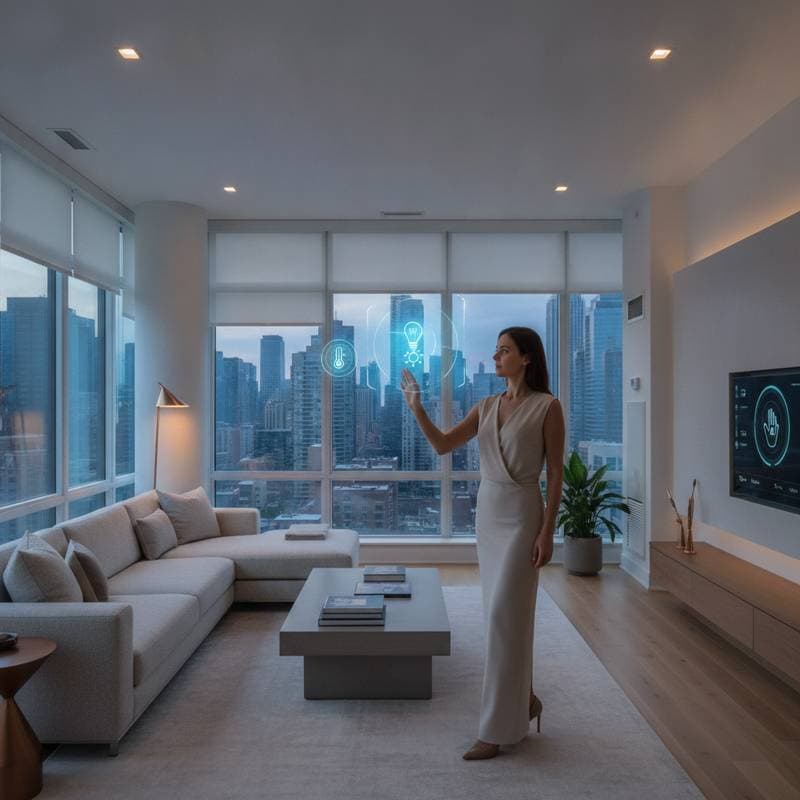
Contemporary circadian lighting employs sensors, scheduling algorithms, and adjustable LEDs to duplicate the daylight spectrum. Numerous systems connect with comprehensive smart home networks, synchronizing lights with thermostats, shades, or sleep monitors. This integration cultivates an atmosphere that sustains sleep while elevating daytime vitality.
The operational sequence unfolds as follows:
- Morning Activation: Vivid, cool illumination heightens alertness and inhibits melatonin secretion.
- Daytime Focus: Midday configurations sustain steady brightness to aid concentration and output.
- Evening Wind-Down: Warm, subdued tones facilitate the shift toward repose and stimulate melatonin emission.
- Night Mode: Minimal or amber hues reduce interruptions should awakenings occur overnight.
Integration with smart assistants permits modifications or automation via voice directives or predefined sequences. Gradually, the lighting milieu conforms to personal sleep habits, establishing a customized cycle that fortifies healthful rest.
Practical Applications of Circadian Lighting
Leading firms pioneer human-centric lighting innovations. Philips Hue provides a “Natural Light” sequence that shifts color temperature progressively across the day. Nanoleaf Elements panels modulate their radiance to align with circadian phases, serving also as aesthetic wall installations. Casper’s Glow Light features instinctive dimming and portability to support natural unwinding. Affordable smart bulbs increasingly incorporate circadian options, extending advantages to non-premium segments.
Professional and educational environments test comparable setups, noting elevated vigilance and concentration in daylight periods. Biological signals enhancing nocturnal sleep similarly augment diurnal productivity and disposition. As implementation expands, circadian lighting progresses from specialized wellness practice to fundamental smart home component.
Challenges in Widespread Implementation
Promising evidence notwithstanding, several obstacles impede universal acceptance. Initial expenses represent a primary hurdle, with full-range tunable systems exceeding costs of basic LED arrangements. Device interoperability across smart home platforms poses difficulties, particularly for those managing diverse brands. Certain residents question tangible advantages, perceiving circadian lighting as supplementary technology rather than essential enhancement.
These impediments diminish as prices decline and protocols advance. Matter standards facilitate cross-ecosystem communication, while efficient LEDs mitigate ongoing expenditures. Accumulating evidence linking lighting to sleep efficacy transforms doubt into interest.
Additional Daily Advantages from Circadian Lighting
Superior rest constitutes the primary gain, yet circadian lighting impacts broader aspects of well-being. Participants frequently describe elevated mood, lessened eye fatigue, and stable energy across waking hours. In family settings, adaptive lighting assists in enforcing regular bedtime practices for children. Remote professionals benefit from indoor daylight simulation, mitigating weariness and digital overload. Human-centric lighting promotes enhanced overall existence beyond mere sleep optimization.
These systems further advocate conscious energy management. Automated reductions in brightness occur when ambient daylight suffices. Certain configurations link with solar detectors, modulating intensity according to atmospheric conditions and temporal factors. This yields a sustainable, health-oriented lighting strategy advantageous to individuals and the environment alike.
Integrating Circadian Lighting into Daily Habits
Adopting circadian lighting requires minimal complexity. Initiate with select tunable bulbs in primary zones such as bedrooms or living areas. Connect them to a smart hub or application enabling scheduled automation. Test variations in intensity and color temperature to identify settings aligning with personal schedules. Progressively incorporate additional rooms or elements like motion detectors and light-blocking shades for comprehensive oversight.
Enhancing Wellness Through Aligned Illumination
Circadian smart lights redefine home environments by synchronizing light with biological needs. This alignment delivers up to a 45% improvement in sleep efficiency, alongside gains in focus, mood, and vitality. As technology advances, such systems become integral to balanced, productive lifestyles, offering accessible paths to sustained health.