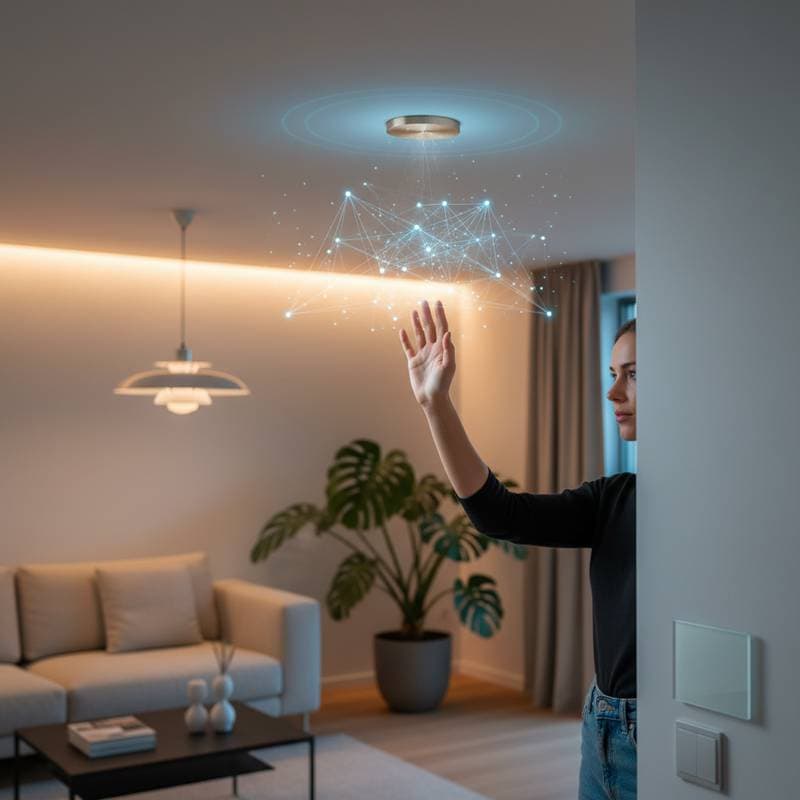
Why Gesture Control is Making Light Switches Obsolete
Smart homes progress from basic convenience devices to responsive environments that anticipate human needs. Touchless gesture control emerges as the latest advancement, rendering physical switches and screen taps obsolete. Residents now enter a room and raise a hand to illuminate it or circle a finger to increase audio volume. This technology, driven by sophisticated sensors, integrates into everyday spaces to deliver seamless interaction.
The Emergence of Touchless Interfaces
Touchless control originated in high-end automobiles and interactive entertainment setups. It now establishes a firm role in residential settings. Homeowners seek clean surfaces, immediate responses, and adaptive systems that align with personal routines. Gesture control meets these demands by facilitating contact-free management of illumination, media, and climate without direct engagement.
Surveys indicate growing preference for technologies that minimize physical interactions in communal areas. This interest extends past sanitation to foster a harmonious connection between inhabitants and their environment. Enhanced motion and mmWave sensors achieve greater precision, transitioning gesture systems from prototypes to practical necessities.
Mechanics of Gesture Recognition
Gesture control employs sensors to monitor movements and convert them into operational instructions. mmWave sensors stand out for their use of radio frequencies to capture motions with high fidelity. These differ from infrared units or basic detectors by recognizing subtle actions like a thumb gesture or palm rotation, regardless of ambient lighting or minor barriers.
Data from these sensors feeds into a central processor or hub that executes corresponding functions. A circular hand sweep, for example, raises light intensity, whereas a vertical slide lowers it. Systems further differentiate between individuals to provide tailored adjustments based on stored profiles.
Enhancing Daily Routines
Gesture control streamlines routine activities for greater ease. Users avoid pausing to locate controls or issue verbal directives; instead, natural motions suffice. Preparing meals with soiled hands, transporting items, or navigating dim spaces improves when gestures activate illumination or adjust temperatures.
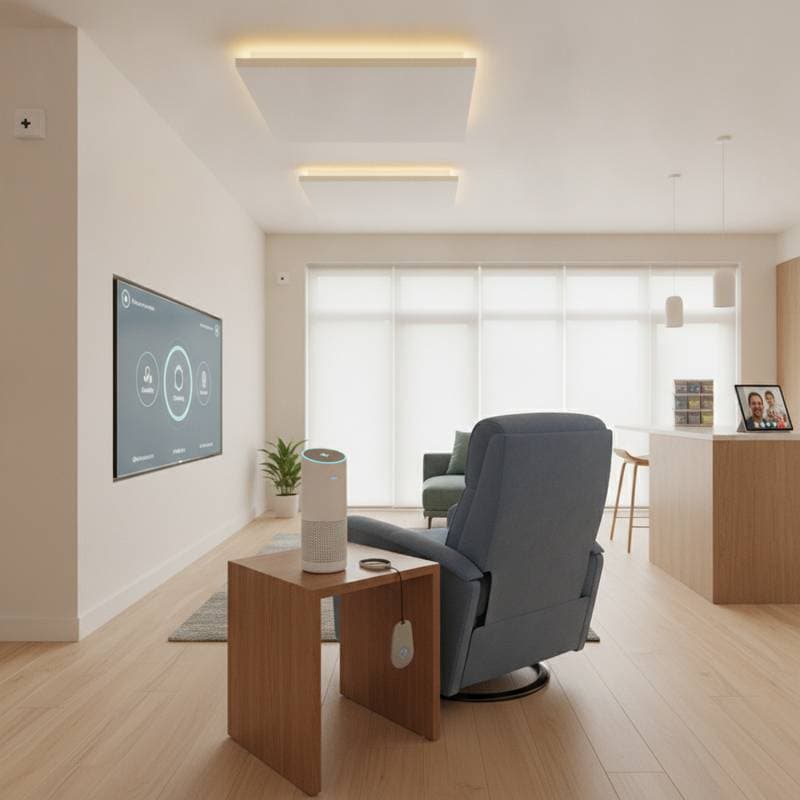
This approach also promotes inclusivity. People facing mobility limitations or reduced hand strength gain greater autonomy compared to conventional controls. Homes thus adapt dynamically, eliminating the need for exact physical maneuvers.
Innovations in Gesture-Enabled Devices
Leading firms demonstrate gesture control's potential to reshape domestic engagement. mmWave-equipped products allow precise command of lights and audio setups. Certain illumination providers incorporate sensors into mounted panels that react to proximity, while integrated bulbs sense arrivals and modulate output accordingly.
The automotive sector has validated non-contact reliability through in-car media controls, influencing home applications. Within smart ecosystems, gesture features align with prominent assistants and automation tools, permitting integration into current configurations without full overhauls.
Promoting Energy Conservation
Beyond ease, touchless setups drive resource efficiency. Occupancy detection automatically deactivates lights or reduces heating in vacant areas. Advanced mmWave components identify subtle signs like respiration to confirm presence during stillness, preventing untimely shutdowns.
This accuracy curbs unnecessary consumption while preserving user satisfaction. Paired with intelligent climate regulators and networked lights, gesture control supports comprehensive automation focused on environmental responsibility.
Addressing Adoption Barriers
Emerging technologies like gesture control encounter doubts regarding reliability and uniformity. Concerns include unintended activations or varying sensitivities across devices. Initial users emphasize the importance of calibration to balance distinctiveness with simplicity.
Developers counter these through AI that adapts to patterns over time. Systems refine recognition of intentional motions while ignoring extraneous ones. Expanding protocols such as Matter enhance compatibility in diverse brand environments.
Pricing presents another hurdle, though sensor costs decline steadily. This pattern resembles the maturation of connected lighting, where initial premiums yield to accessibility. Affordable components signal broad implementation ahead.
Integrating Gesture Systems Seamlessly
After setup, gesture control integrates effortlessly into habits. Lights activate upon hallway entry without deliberate effort. Fine-tuning intensity via arm gestures provides subtle enhancements to comfort.
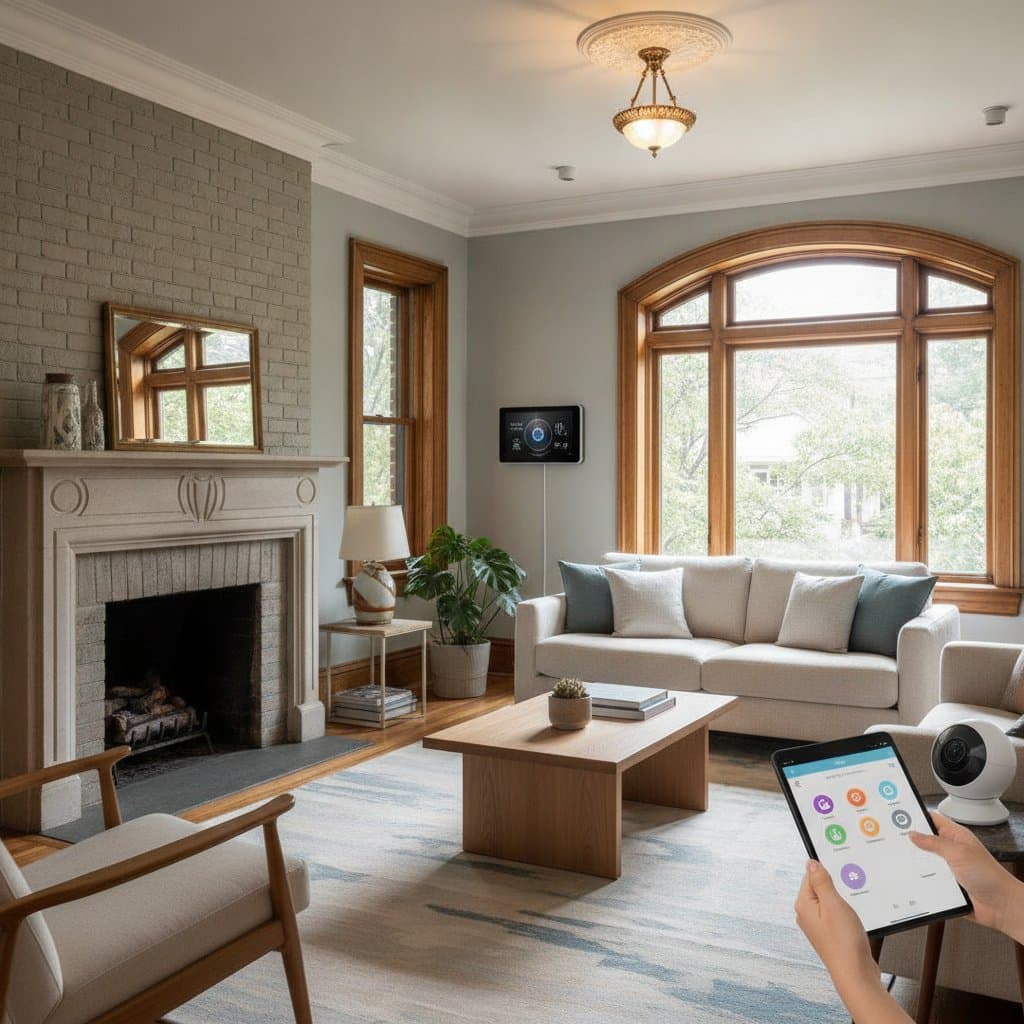
Users report this as unobtrusive augmentation that elevates without intrusion. Installation options include wired connections to existing infrastructure or wireless links, avoiding extensive modifications. Configuration software assists with motion mapping for optimal performance and customization. Progressive interfaces support defining unique commands, tailoring responses to individual styles.
Envisioning Responsive Home Ecosystems
Gesture control contributes to ambient intelligence, where devices operate subtly and intervene contextually. It harmonizes with auditory cues, scheduled tasks, and environmental monitors for cohesive operation. Future residences employ varied methods, selecting the most suitable based on situation and inclination.
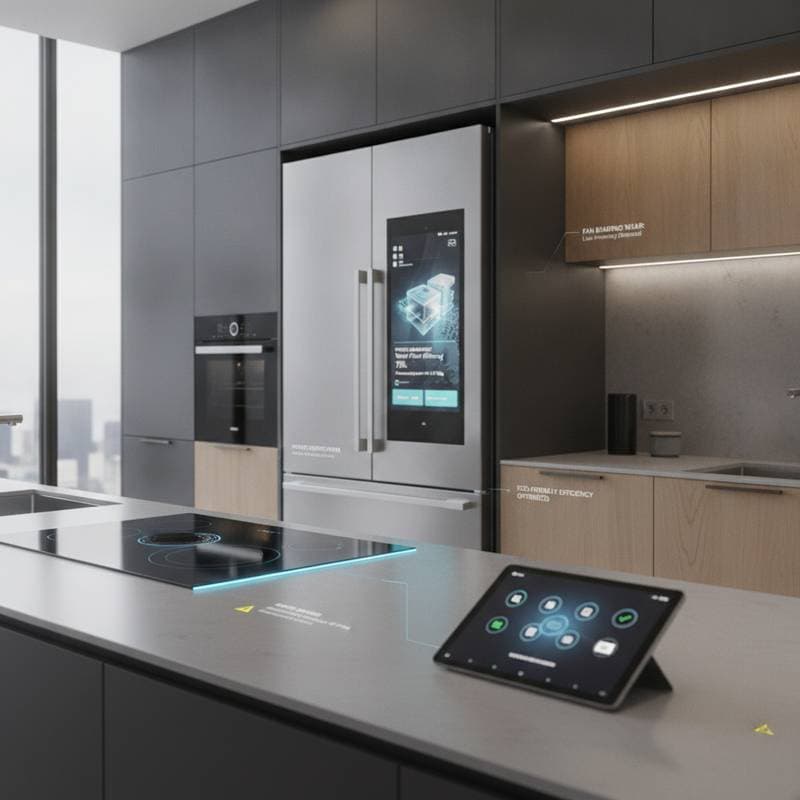
Consider a routine where illumination intensifies with morning movements, appliances initiate via kitchen signals, and sound systems adjust through minimal cues. Such fluidity defines gesture control's value.
Embracing Intuitive Home Design
Gesture control liberates smart homes from mechanical constraints, prioritizing sanitation and innovation in routines. As components miniaturize and accelerate, applications extend to shading mechanisms and kitchen tools. This evolution transcends mere utility to redefine spatial harmony and resource use. Residences transform into dynamic partners, attuned to inhabitants' rhythms.