Touchless Faucets That Recognize Family Members
Smart homes evolve from optional features to essential components of daily life. The faucet, once a basic utility for handwashing or filling pots, now emerges as a key player in this evolution. These touchless models identify individual family members and adjust settings accordingly, transforming routine tasks into personalized experiences that prioritize hygiene, comfort, and efficiency.
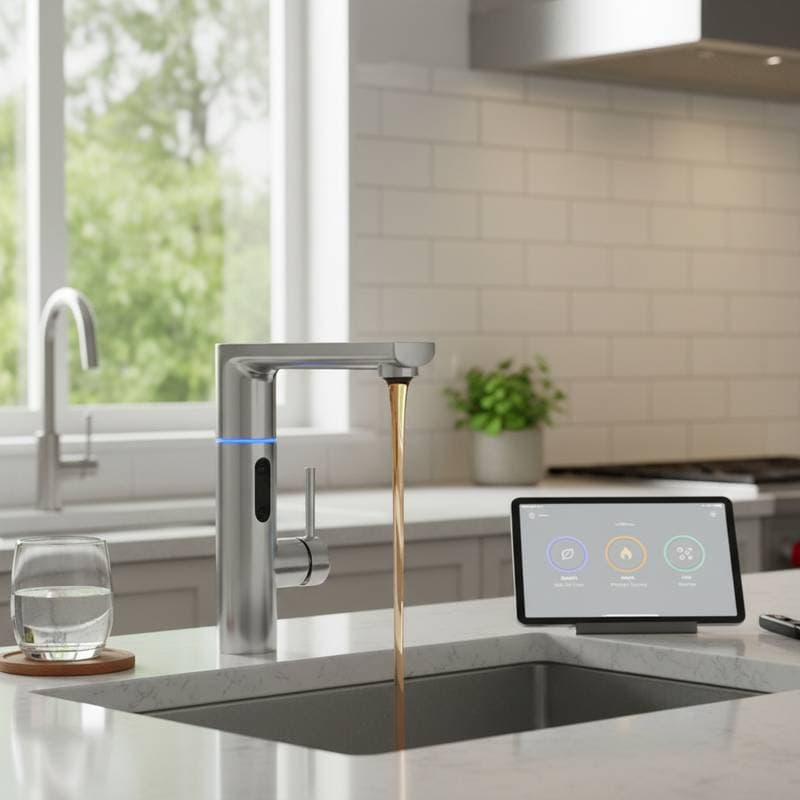
This advancement extends beyond mere convenience. It introduces adaptive water management tailored to each user. A faucet might deliver your ideal temperature for rinsing produce, reduce flow for a child’s handwashing, or measure exact amounts for brewing coffee. Such capabilities, powered by sensors and artificial intelligence, integrate seamlessly into kitchens and bathrooms.
Why Recognition Matters in Home Technology
User recognition in faucets addresses everyday inefficiencies in multi-person households. Preferences vary: one individual may favor warm water for dishwashing, while another prefers cooler streams for brief rinses. Standard motion-sensor faucets provide basic activation but ignore personal needs.
Advanced models incorporate facial recognition or proximity detection to identify users. This enables automatic adjustments to temperature, flow rate, and duration. The outcome delivers reliable, user-specific performance with minimal effort.
The Technology Behind the Tap
Core components include infrared sensors for motion detection and cameras or Bluetooth for user identification. Voice recognition via smart assistants or smartphone proximity serves as alternatives in some designs.
Upon identification, the system accesses stored profiles managed through a mobile application. Users establish preferences, such as safety caps on temperature for children or reduced flows for conservation. Connectivity enables ongoing adaptation: repeated manual tweaks refine settings automatically, aligning the faucet with evolving habits.
Hygiene and Health Benefits
Touchless operation minimizes contact with surfaces, curbing germ spread in high-traffic areas like kitchens and bathrooms. Recognition adds layers of precision, such as logging handwashing frequency to encourage habits among children.
Certain models connect to health applications for tracking hydration or consumption patterns. This integration positions the faucet within a comprehensive wellness framework, promoting cleanliness and providing gentle nudges toward better practices.
Real-World Examples of Recognition Faucets
Prominent fixture brands offer models that pair with smartphones for automatic profile activation upon device detection. Experimental versions employ facial recognition to differentiate users and fine-tune outputs without input.
In high-end setups, faucets synchronize with lighting and other systems. A child’s approach might trigger softer illumination alongside safer water settings, illustrating expanded personalization across the home.
Smarter Water Management
Personalized adjustments optimize resource use by matching flow and temperature to tasks. Automatic shutoff after completion prevents unnecessary runoff, while usage analytics in apps reveal conservation opportunities.
Reports highlight trends, such as peak consumption times, enabling targeted reductions. Alerts for exceeding limits foster mindful habits that lower bills and support environmental goals.
Integration with Broader Smart Ecosystems
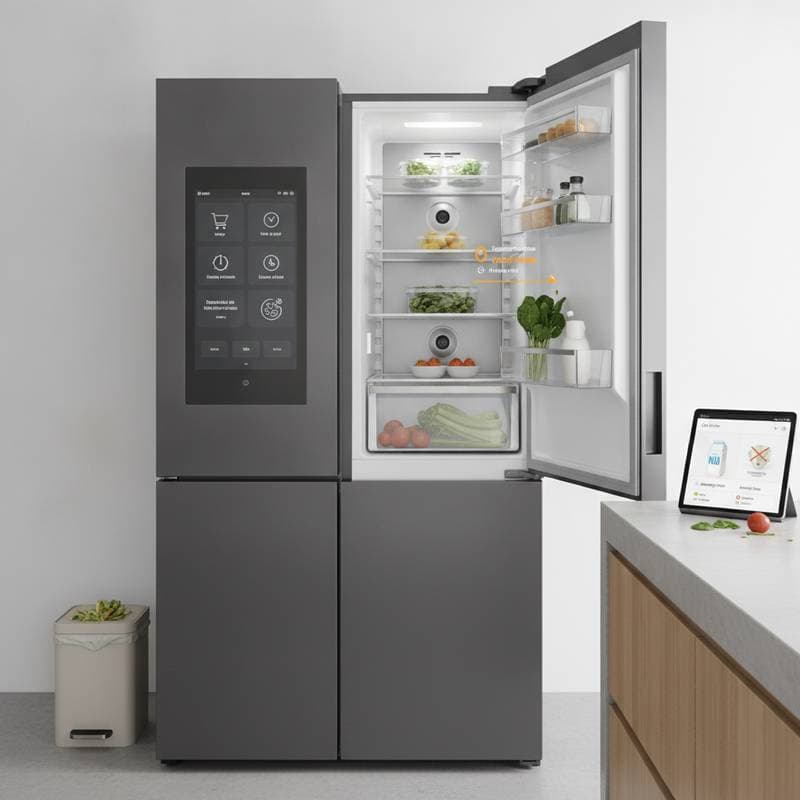
These faucets mesh with voice controls, appliances, and lighting for cohesive automation. A command like "initiate dinner prep" could adjust lights, preheat ovens, and ready measured warm water.
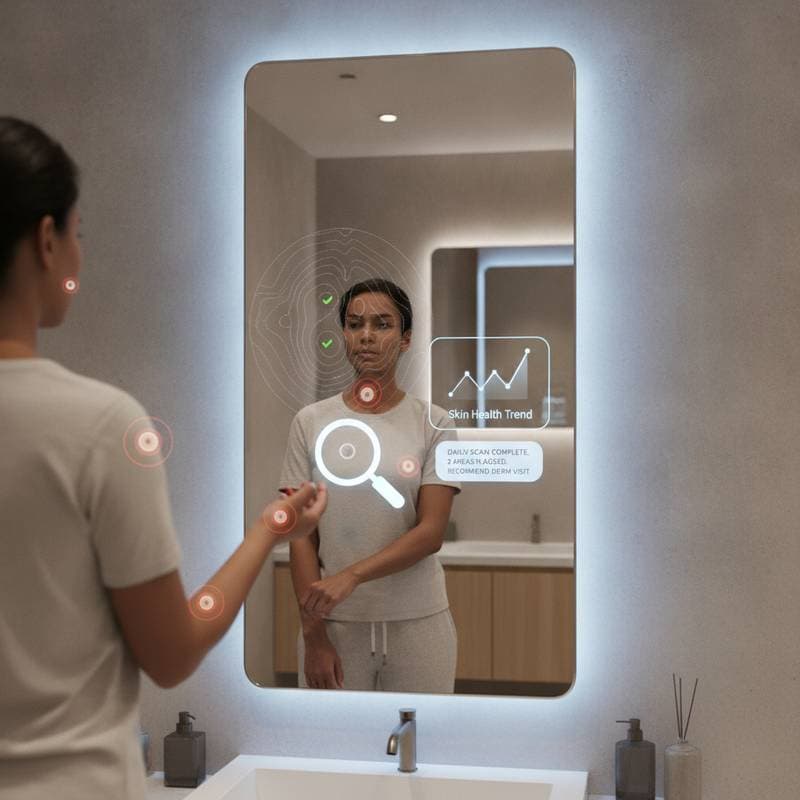
Morning sequences might synchronize faucets with mirrors displaying calendars, using shared protocols for cross-device harmony. This interoperability ensures reliable, brand-agnostic functionality.
Addressing Privacy and Security Concerns
Data handling in recognition systems demands robust safeguards. Encryption, on-device processing, and clear policies protect facial scans and profiles from external access.
Users control data retention and sharing options. Families disable features for visitors or restrict access, balancing utility with security in sensitive environments.
Adoption Trends and Market Insights
Smart plumbing segments lead growth in home automation, driven by hygiene demands and personalization appeal. Declining sensor costs accelerate mainstream availability.
Users report intuitive adaptation: preferences become default, making traditional faucets seem limiting. This pattern echoes the rise of smart thermostats, establishing new convenience benchmarks.
Everyday Scenarios That Illustrate the Difference
In a four-person household, adults require robust pressure for cooking, while children need moderated flows. Recognition ensures seamless switches: safe temperatures for kids, full force for parents.
These adjustments save time and enforce routines. Cumulative effects yield more streamlined operations over numerous daily uses.
The Next Phase of Smart Living
Recognition faucets advance anticipatory systems that foresee needs. Innovations extend to water quality monitoring, leak detection, and filtered enhancements.
The result is an environment attuned to household dynamics, leveraging data for intuitive support in overlooked spaces like sinks.
Making It Happen in Your Home
Retrofit-compatible designs simplify upgrades with limited plumbing work. Select units aligned with existing hubs for optimal performance.
Follow these steps before installation:
- Verify compatibility with voice assistants or central hubs.
- Evaluate privacy controls favoring local processing.
- Implement child-safety profiles with temperature restrictions.
- Assess conservation tools for usage tracking.
- Schedule regular firmware updates for enhancements and protections.
These preparations integrate advanced features effectively.
Living with Personalized Water
Daily interactions feel intuitive: approach the sink, and settings align perfectly. This understated efficiency elevates routines without disruption.
As adoption grows, faucets evolve into active participants in home life, fostering hygiene, sustainability, and tailored comfort through thoughtful technology.