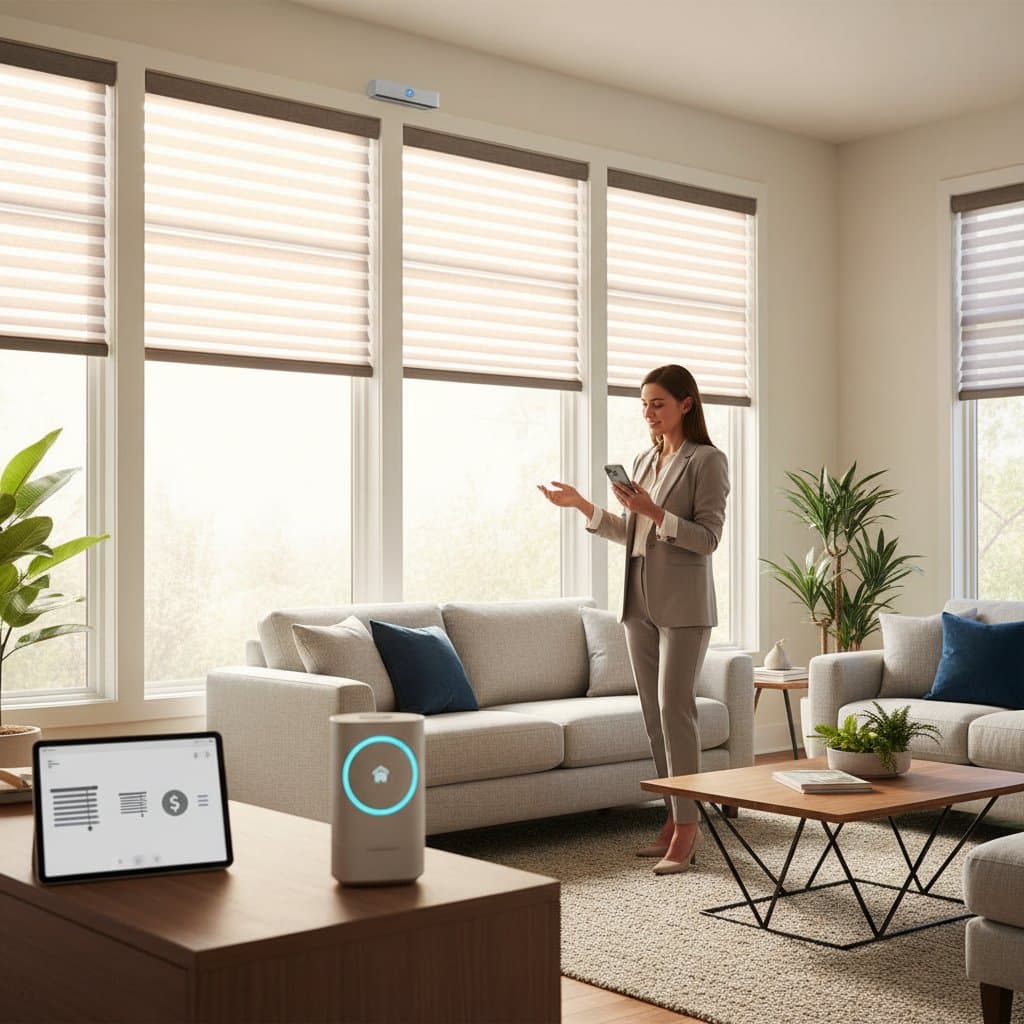
Why $50 Smart Blinds Are Set to Transform Home Sales
Smart homes evolve from exclusive luxuries into common necessities. Initial advancements focused on connected lighting and audio systems, but the scope now includes areas previously considered specialized, such as automated window treatments. The forthcoming surge in home automation stems not from expensive setups, but from cost-effective, user-installable items. In particular, $50 smart blinds emerge as the standout innovation poised to capture widespread attention in the coming years.
1. Affordable Automation Accessible to All Homes
Smart blinds previously represented a high-end option, often requiring custom setups that exceeded hundreds of dollars per window. Such expenses excluded them from typical budgets. Recent developments lower these barriers through efficient compact motors, long-lasting rechargeable batteries, and straightforward attachment mechanisms. Consequently, these products provide practical benefits like enhanced convenience and reduced energy consumption at a cost comparable to a single meal.
The significance lies in widespread accessibility. Research indicates that individuals adopt smart technologies more readily when they can upgrade current setups without expert assistance. A $50 conversion kit that enhances existing blinds aligns precisely with this preference, enabling quick integration into daily routines.
To illustrate, consider a basic retrofit process: users attach a small motor hub to the blind's headrail using included clips, pair it via a mobile application, and connect to power sources like USB adapters. This approach eliminates the need for complex tools, broadening appeal to families seeking incremental improvements.
2. Effortless Retrofit Outshines Complete Overhauls
Many residents prefer to retain functional blinds rather than discard them for smart alternatives. Retrofit solutions address this by securing directly onto current cords, rollers, or tracks, providing an immediate upgrade. Setup typically requires only a few minutes and involves no electrical wiring or wall modifications.
This uncomplicated method attracts renters wary of permanent alterations, hands-on hobbyists, and those new to technology. Companies such as SwitchBot and Zemismart demonstrate that these upgrades combine low cost with reliable performance. Users gain control over morning light exposure, evening privacy settings, and climate regulation without manual adjustments or specialized equipment.
For practical application, envision scheduling blinds to rise gradually at dawn for a natural wake-up, or to lower automatically upon detecting peak sunlight. Such features integrate into broader home patterns, fostering a sense of effortless management.
3. Energy Efficiency Paired with Enhanced Comfort
Beyond mere ease, smart blinds contribute to intelligent resource use. They can activate to block intense midday sun, thereby decreasing reliance on air conditioning, or lift early to capture passive solar warmth. Data from energy studies reveal that effective shading reduces overall consumption by up to 25 percent in regions with abundant sunlight.
Picture blinds that respond to environmental cues or sync with heating systems for optimal indoor conditions. This automation elevates living quality while promoting sustainability, all without user intervention. As utility rates rise steadily, these modest investments yield measurable savings, often recouping costs within one to two years through lower bills.
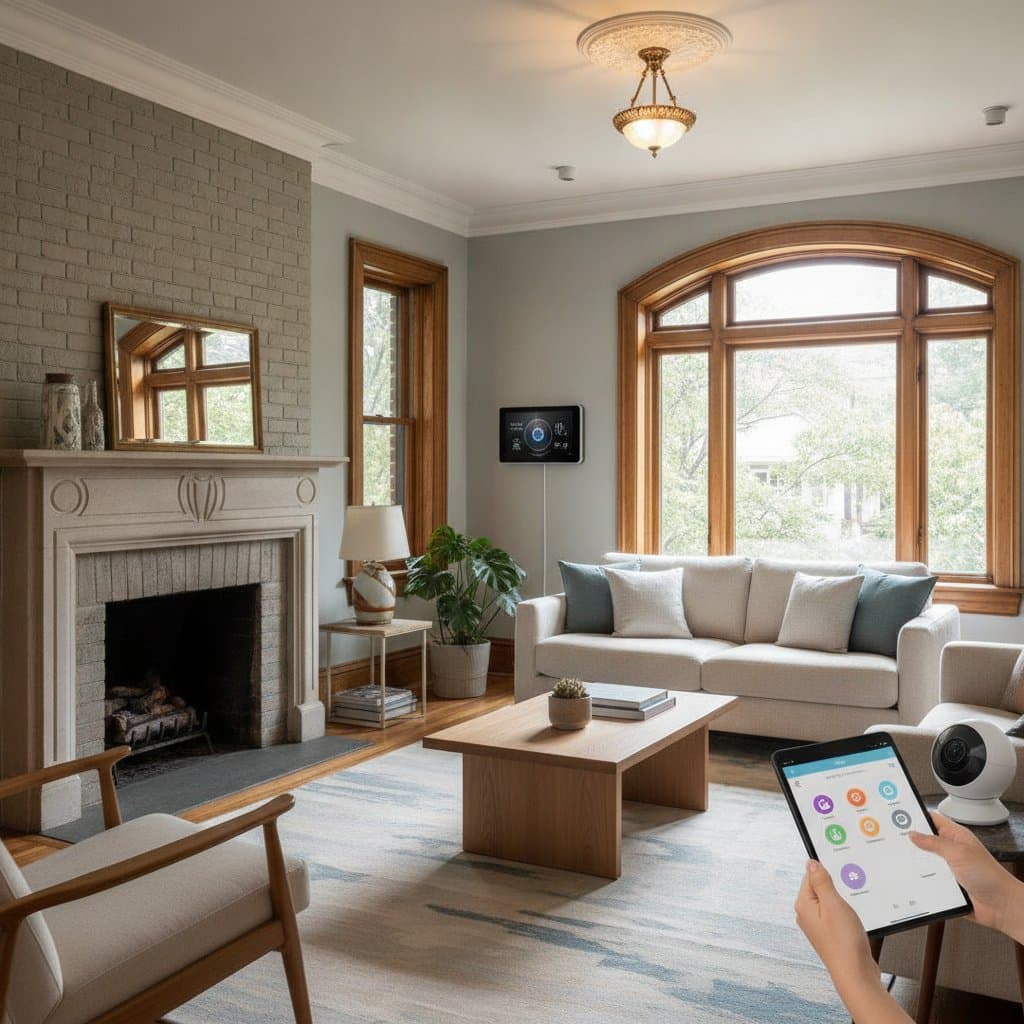
Specific scenarios highlight the impact: in a sunlit living room, automated closure during summer afternoons maintains cooler interiors, while winter openings maximize heat gain, balancing comfort across seasons.
4. Seamless Connection to Expanding Smart Networks
Emerging protocols like Matter facilitate interoperability among devices from diverse makers. As a result, smart blinds communicate effortlessly with voice controls, climate regulators, or security detectors, irrespective of brand origins.
In an era of unified home environments, compatibility determines success. Budget smart blinds that obey simple voice prompts or adjust upon detecting occupancy integrate smoothly into this framework. Linking them to illumination and ventilation controls amplifies both usability and resource optimization, elevating window treatments to integral components of a responsive residence.
To achieve this, users configure connections through dedicated apps, selecting routines like coordinating blind movements with outdoor temperature readings or occupancy sensors. This level of synchronization creates a holistic system that anticipates needs proactively.
5. Elegant Design United with User-Friendly Features
Contemporary smart blind add-ons prioritize discretion. They feature unobtrusive colors, low-noise operation, and compact components that preserve visual harmony. Applications allow personalization, from timed operations to fine-tuned light modulation via touchscreen gestures.
This fusion of refined aesthetics and intelligent capabilities extends reach beyond gadget aficionados. Those prioritizing interior harmony can incorporate automation seamlessly, representing a pivotal advancement in market penetration.
Examples include matte black hubs that mimic hardware accents or fabric-compatible mounts that avoid visible alterations. Customization options, such as geofencing for location-based adjustments, further tailor the experience to individual lifestyles.
Unlocking Everyday Enhancements Through Smart Windows
The introduction of $50 smart blinds signals a democratizing force in automation, elevating routine experiences without substantial expense or disruption. They optimize energy use, streamline daily tasks, and refine environmental control in tangible ways. As demand grows for functional innovations that simplify existence, these economical window upgrades establish themselves as indispensable elements in evolving households.
Smart blinds transcend novelty to embody proactive home intelligence, responding intuitively to enhance well-being and efficiency.