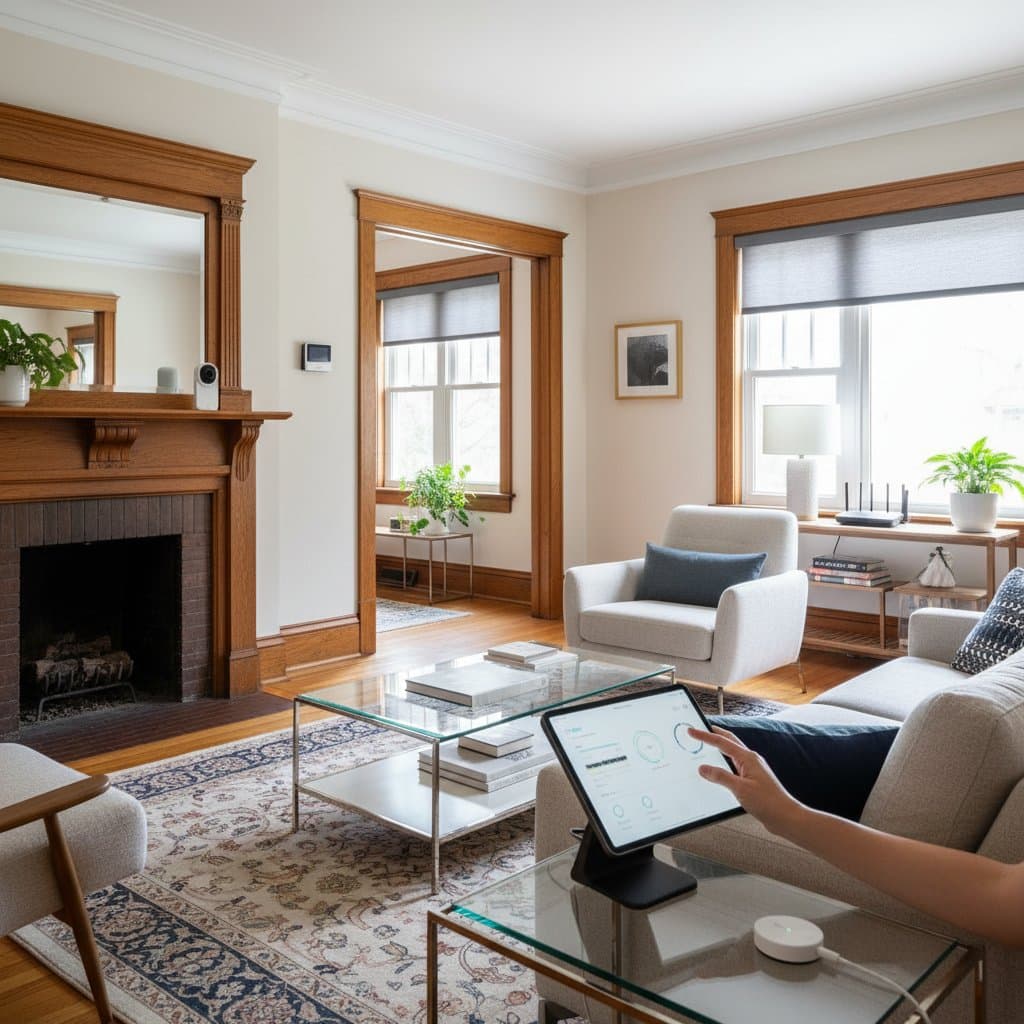
Bringing Smart Simplicity to Older Homes
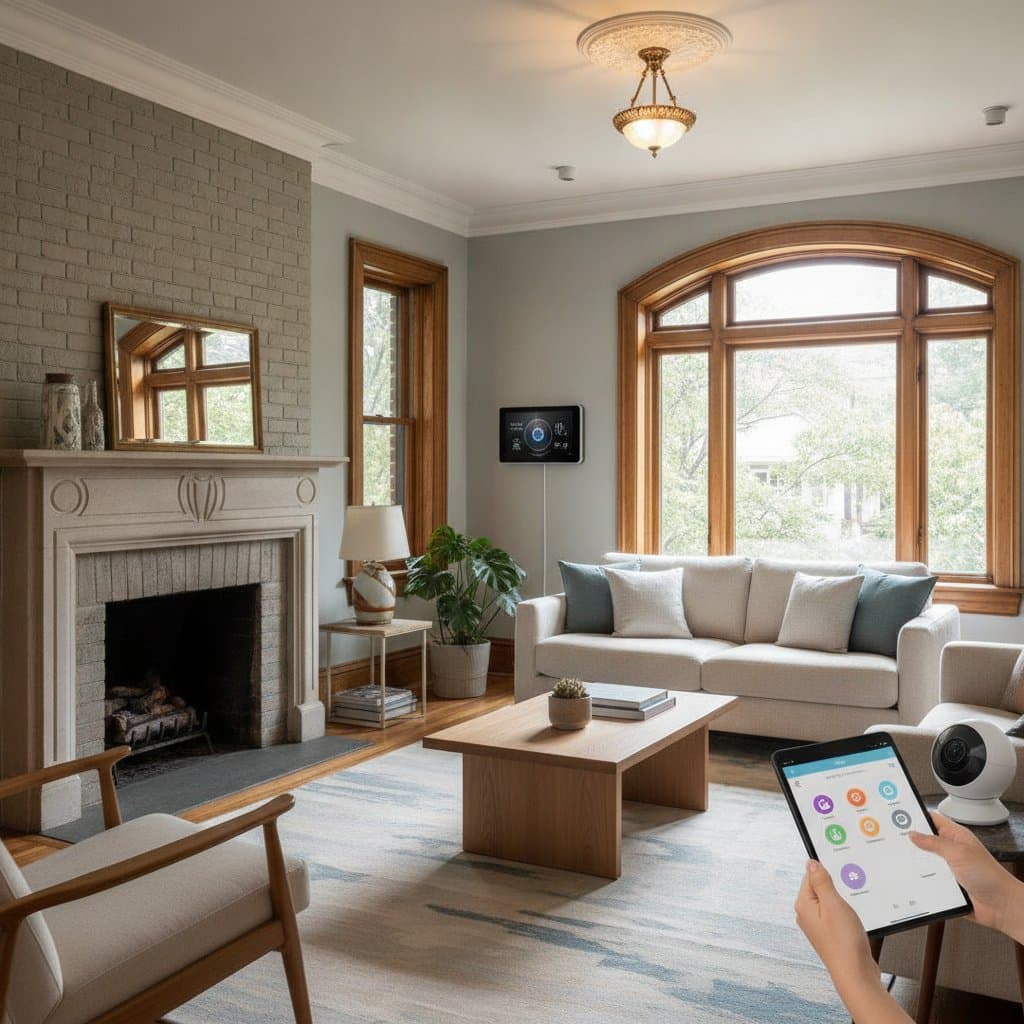
Imagine moving into a charming old house with wood floors that creak and thick plaster walls that whisper stories of the past. You love its character, but you wish you could control the lights with your phone, set the thermostat from bed, or receive an alert if someone forgets to lock the door. The thought of drilling, rewiring, or tearing into walls causes hesitation. If this scenario sounds familiar, you are not alone. Retrofitting an older home with smart technology feels intimidating, yet it proves entirely feasible with the right approach and emphasis on wireless solutions.
The Challenge of Integrating Old Structures with New Technology
Older homes frequently feature outdated electrical systems, limited outlets, and dense materials that obstruct signals. Hardwiring new systems demands costly rewiring or permits, which discourages many homeowners and renters from pursuing upgrades. Modern wireless smart devices address these issues effectively. They rely on low-power radio protocols such as Zigbee, Z-Wave, and Thread, which penetrate thick materials more reliably than traditional Wi-Fi.
Wireless devices preserve the structural integrity of older homes and suit renters who cannot implement permanent modifications. Select products that communicate efficiently without necessitating new wiring or invasive installations to achieve optimal results.
The Comprehensive Approach: Wireless Smart Integration
Retrofitting an old home for smart living involves overlaying convenience onto existing infrastructure. Consider it as adding a contemporary interface to enduring charm. By prioritizing wireless devices, you establish a connected system that operates cohesively without modifying walls or electrical setups.
Begin modestly, for instance by replacing light switches or adding a smart plug, and progressively incorporate security, comfort, and energy management features. Each enhancement interconnects with the previous one, forming a unified smart ecosystem that honors the home's original architecture.
Step-by-Step Guide to a Seamless Retrofit
1. Initiate with Smart Lighting
Lighting upgrades represent the simplest and most noticeable initial step. Substitute standard bulbs with Wi-Fi or Bluetooth-enabled options that fit directly into existing sockets.
Recommended options:
- Budget: Wyze Bulb Color (approximately $15 each). This choice offers affordability, app-based control, and compatibility with Alexa and Google Assistant.
- Mid-range: Philips Hue White and Color Ambiance Starter Kit (approximately $120 for a pack of four with hub). It employs Zigbee for robust connections in older homes.
- Premium: LIFX Clean Bulbs (approximately $70 each). These provide vibrant colors and antibacterial light purification capabilities.
For homes with legacy fixtures managed by toggle switches, install smart switches that replace solely the wall plate, such as the Lutron Caseta Wireless Dimmer. This device utilizes its dedicated bridge to circumvent interference from thick walls, an aspect that many homeowners overlook.
2. Incorporate Smart Security and Access
Enhancing security requires no full door replacements or rewiring of entry points. Battery-operated smart locks and wireless cameras simplify the process.
Recommended options:
- Budget: Wyze Lock Bolt ($79). It leverages Bluetooth and fingerprint recognition for swift access.
- Mid-range: August Wi-Fi Smart Lock ($230). This model installs over existing deadbolts and accommodates various door configurations.
- Premium: Level Lock+ ($330). Designed to remain nearly invisible, it integrates fully within door hardware and supports Apple Home Key.
Combine locks with wireless cameras such as the EufyCam 3 or Arlo Pro 5S to monitor entryways. These units run on batteries for extended periods and integrate via secure local hubs.
3. Enhance Climate and Comfort
Smart thermostats transform the indoor environment of older homes. Legacy HVAC systems often lack C-wires to power contemporary thermostats, but wireless adapters facilitate straightforward upgrades.
Recommended options:
- Budget: Wyze Thermostat ($80). Setup utilizes existing wiring, paired with dependable app functionality.
- Mid-range: Google Nest Learning Thermostat ($250). It adapts to your routine through automated learning.
- Premium: Ecobee Smart Thermostat Premium ($280). This includes air-quality sensors and voice command integration.
In residences with radiators or baseboard heaters, opt for Tado Smart Radiator Thermostats. These attach directly to valves, enabling zoned heating control without boiler alterations.
4. Extend to Smart Energy and Sustainability
Older homes commonly lose energy via inefficient setups. Wireless smart plugs and energy monitors pinpoint usage inefficiencies.
Recommended options:
- Budget: Kasa Smart Plug Mini ($15). It monitors energy consumption at the device level.
- Mid-range: Emporia Smart Energy Monitor ($150). This clips onto your electrical panel without rewiring.
- Premium: Sense Energy Monitor ($300). Powered by machine learning, it identifies specific appliances.
Wireless blinds such as the IKEA Fyrtur automate daylight management, easing HVAC demands. They connect via Zigbee for reliable performance, even amid inconsistent Wi-Fi in aged buildings.
5. Unify Control with a Smart Hub
A frequent retrofit challenge involves managing multiple apps. A smart hub centralizes operations by standardizing communication protocols.
Recommended options:
- Budget: Amazon Echo (5th Gen, $100). It serves as both a speaker and entry-level hub for Zigbee devices.
- Mid-range: Aeotec SmartThings Hub ($140). Compatible with Zigbee, Z-Wave, and emerging Matter standards.
- Premium: Apple HomePod Mini ($99 each, optimal in sets). It excels with Thread-compatible accessories.
Position the hub centrally in older homes with dense walls, and supplement with one or two mesh extenders. This configuration establishes a solid communication network absent cable installations.
Essential Preparations Before Implementation
Budget and Phased Implementation
Upfront expenditures need not reach thousands of dollars. Numerous homeowners proceed incrementally, starting with select smart bulbs and a lock for less than $300, then advancing over months. A complete wireless retrofit encompassing lighting, security, comfort, and energy management typically costs between $1,000 and $3,500, varying by brand and extent.
Safety and Regulatory Adherence
When substituting switches or thermostats, deactivate power at the breaker and adhere to manufacturer guidelines precisely. Engage a licensed electrician or HVAC specialist for intricate wiring or system integrations. Although wireless devices simplify installation, prioritize safety throughout.
Connectivity and Signal Reliability
Construction elements like plaster, brick, and metal lath in older homes attenuate Wi-Fi signals. Site routers and hubs distant from dense walls or major appliances. Deploy a mesh network such as the Eero 6+ or TP-Link Deco XE75 to sustain uniform coverage.
Future-Proofing Compatibility
Favor devices supporting Matter, the emerging universal smart home protocol. Matter-endorsed items from major manufacturers guarantee interoperability across Amazon Alexa, Google Home, and Apple HomeKit platforms.
Ensuring Retrofit Adaptability
For renters or those anticipating relocation, select removable and reinstallable devices. Smart plugs, bulbs, and wireless cameras facilitate portability. Retain manuals and packaging to expedite reconfiguration in subsequent spaces.
Long-term residents should anticipate network evolution. Contemporary hubs benefit from over-the-air firmware updates, incorporating support for emerging devices without hardware swaps.
Executing the Upgrade
Retrofitting an older home with wireless smart technology emphasizes enhancing convenience atop historical elements. Incremental additions, from an individual smart bulb to comprehensive energy oversight, advance toward an interconnected living environment that values the home's inherent character.
Identify your primary priorities, whether comfort, energy conservation, or security. Construct the system progressively, verifying interoperability at each stage. The methodology remains adaptable, with accomplishments fostering assurance for subsequent expansions.
For expert assistance, explore platforms like HomeAdvisor or Angi to connect with qualified installers specializing in wireless smart retrofits. They offer guidance on positioning, connectivity, and safety while preserving cherished architectural features.
Blending Heritage with Innovation
A thoughtfully implemented wireless retrofit harmonizes dual advantages. The residence retains its classic allure, augmented by intuitive oversight through taps or voice directives. Observe the historic setting adapt with subtle efficiency, modulating lights, climate, and safeguards in sync with your routine.
Smart technology extends beyond contemporary constructions. Through deliberate selection and strategic deployment, venerable homes acquire seamless modernity without compromising their essence.
FAQs
1. Can smart technology function with knob-and-tube wiring?
Yes, provided you employ wireless devices that avoid rewiring. Consult an electrician prior to any connections involving legacy wiring.
2. Do wireless devices cause mutual interference?
Contemporary systems operate on unique frequencies or via hubs that orchestrate interactions, reducing disruptions even in compact spaces.