AI Robot Vacuums Clean Homes Three Times Faster Now
Smart home cleaning has entered a new era. AI powered robot vacuums are no longer the slow, bumping gadgets that once wandered aimlessly across floors. The newest generation cleans homes up to three times faster than before. This speed boost comes from smarter learning, improved navigation, and a deeper understanding of how real homes look and function.
Smarter Speed Through AI Learning
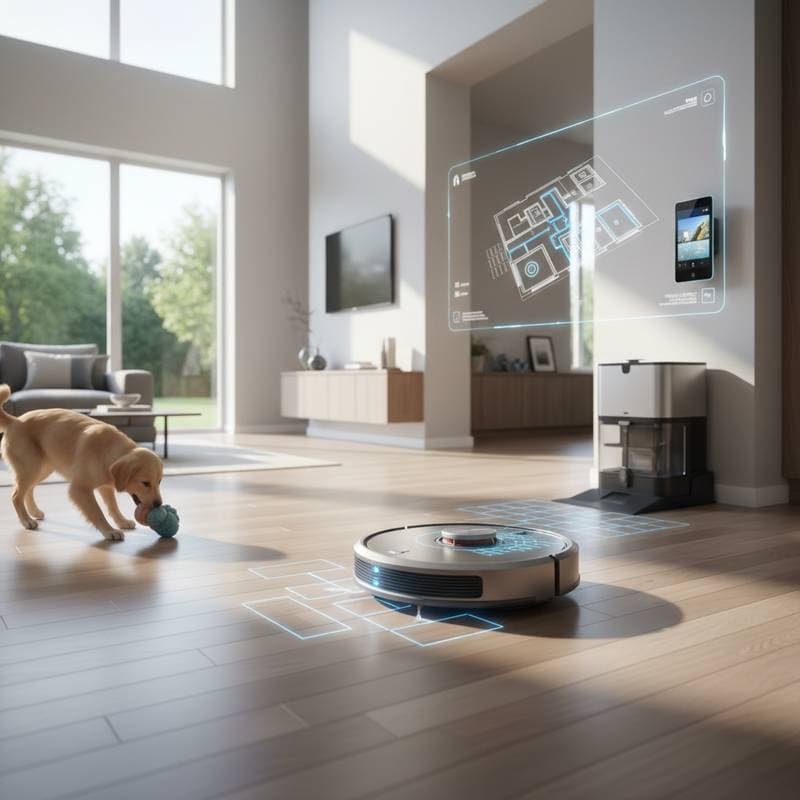
The biggest leap in cleaning speed comes from the intelligence driving these machines. Instead of randomly crossing a room, modern robot vacuums now map and memorize every corner of a home. Using advanced vision based navigation and AI pattern recognition, the robot identifies obstacles, plans routes, and adjusts cleaning intensity depending on surface type.
When a robot vacuum recognizes furniture placement, it avoids unnecessary detours. When it learns traffic patterns in your home, it prioritizes high use areas like kitchens and hallways. This means less wandering and more focused cleaning. Users with newer AI models experience shorter cleaning cycles without losing performance.
Predictive Navigation That Adapts to You
One of the most impressive developments is predictive navigation. The latest robot vacuums now anticipate changes in their environment, such as a moved chair or a pet lounging spot. The AI learns from repeated cleaning sessions and builds a living map that evolves as your home does.
For example, if you often drop crumbs near the dining area, the vacuum automatically schedules deeper cleaning there. Some systems even sync with smart home sensors and detect when you are away. They activate cleaning only when the house is empty. This contextual awareness transforms the vacuum from a programmed tool into a responsive home assistant.
Visual Intelligence for Faster Decision Making
Speed in cleaning depends on how efficiently the robot makes decisions. Cameras, LiDAR sensors, and edge detection work together with AI algorithms to interpret surroundings in real time. Older models slowed down when facing clutter. The newest ones classify objects and reroute around them quickly.
A leading model identifies 80 types of household objects, from cables to socks, and adjusts its path instantly. That split second understanding keeps cleaning consistent and prevents delays that once stretched a 40 minute clean into a full hour.
Multi Surface Adaptation for True Efficiency
Homes are rarely uniform. Moving from hardwood to carpet has always challenged robot vacuums. AI driven surface detection solves this by allowing vacuums to recognize and adjust suction or brush speed automatically. The instant the robot senses a rug, it boosts power for deeper cleaning. It then lowers power on tile to conserve energy.
This adaptability prevents the robot from wasting time on unnecessary passes. Some advanced models remember which rooms have thicker carpets and pre plan their energy use to complete the job in one charge.
Self Emptying and Maintenance Automation
Speed also depends on how little you need to intervene. Self emptying bases, smart filter notifications, and self cleaning brushes keep the system running smoothly without constant human attention. The vacuum empties its own bin, checks its filter health, and monitors brush wear.
This automation eliminates downtime between cleaning cycles. Users report their robots can handle multiple sessions before requiring any manual input.
Integration With Broader Smart Home Systems
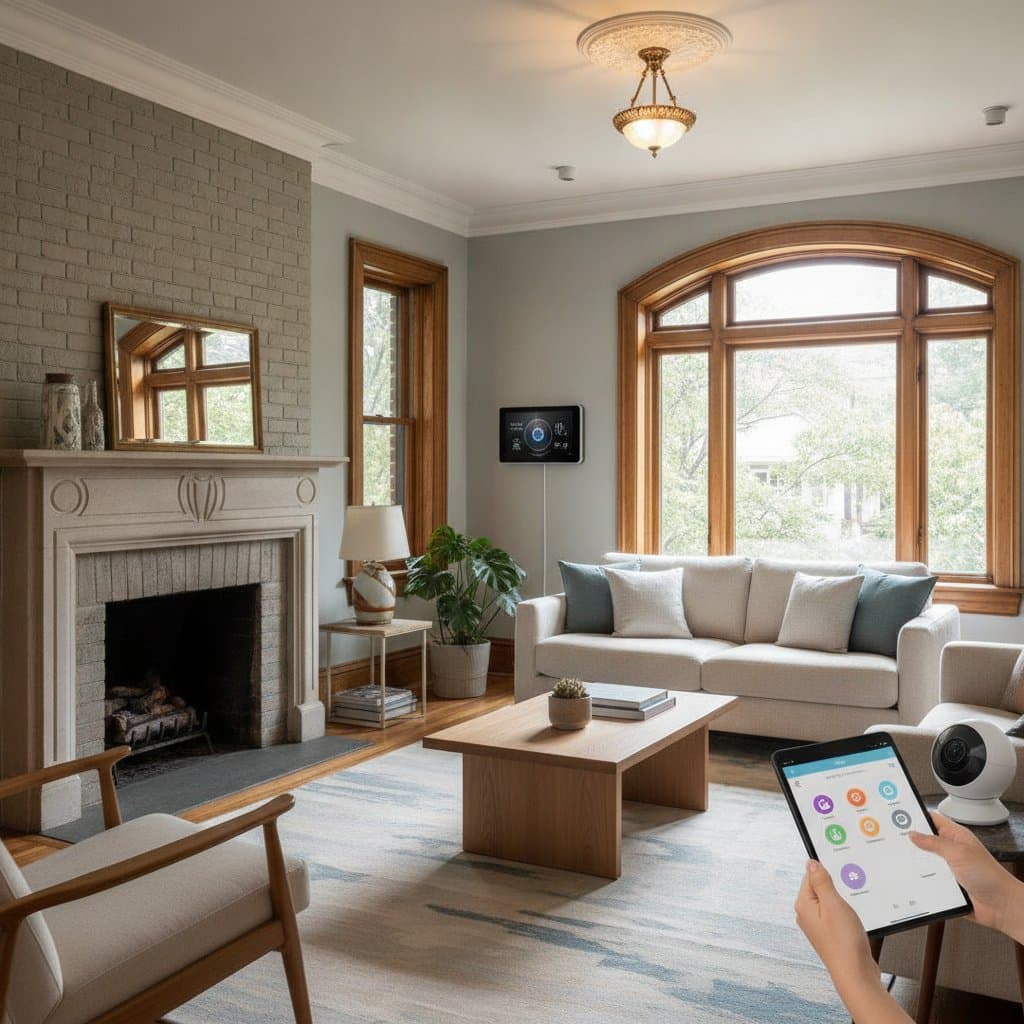
A faster robot vacuum gains value when it works as part of a unified home ecosystem. Integration with voice assistants, smart thermostats, and lighting systems allows these robots to act based on wider home conditions. When the lights turn off and motion detectors sense no activity, the vacuum begins cleaning automatically.
Some brands use shared data between devices to refine cleaning patterns. If a connected air purifier detects increased dust, the vacuum targets those areas more aggressively.
Data Driven Improvements Over Time
Unlike traditional appliances that remain static, AI robot vacuums improve with every session. Machine learning models stored locally or in the cloud analyze cleaning data, identify inefficiencies, and push updates that fine tune performance. A robot that once needed 90 minutes to clean an entire apartment may reduce that time by a third after a few weeks of learning.
User Experience and Everyday Benefits
Owners of the latest AI robot vacuums describe the experience as transformative. Instead of scheduling long cleaning sessions before leaving the house, many now run quick cycles during short errands. The reduced noise levels and faster operation make it easy to maintain cleanliness without disruption.
These robots also learn to respect personal routines. If you tend to work from the living room in the morning, the vacuum cleans that space later in the day.
Addressing the Cost and Adoption Curve
Faster performance and advanced AI features come with higher prices. Yet the cost gap between entry level and premium models is narrowing. As production scales and competition grows, features like visual mapping and self emptying bins are becoming standard. Surveys indicate that more homeowners consider robot vacuums essential appliances rather than luxury gadgets.
Real World Speed Benchmarks
A recent comparison between older and newer models from several top brands revealed a striking difference. Legacy vacuums often required over an hour to clean a medium sized apartment. The latest AI enhanced versions complete the same job in roughly twenty minutes with equal or better results. This improvement stems from smarter path planning, faster object classification, and optimized suction distribution.
Practical Steps for Homeowners
Homeowners considering an upgrade should evaluate models based on mapping accuracy, self emptying capacity, and smart home compatibility. Start with a mid range unit that includes visual navigation and test it in high traffic areas first. Monitor performance over the first two weeks as the AI adapts to your layout.