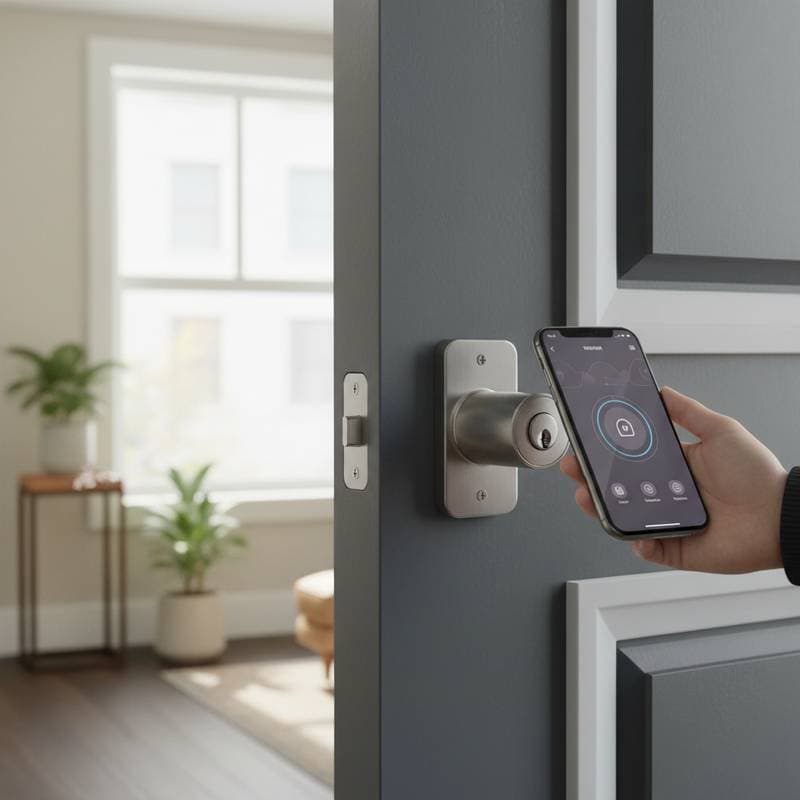
Retrofit Smart Locks Surpass New Builds in Sales: Implications for Home Security
Smart locks have evolved from optional tech add-ons to essential components of modern homes. Recent market analysis reveals that retrofit smart locks now outsell those designed for new constructions, indicating a fundamental change in consumer preferences for security and convenience. This development highlights a preference for adaptable solutions that integrate with existing setups rather than requiring full replacements.
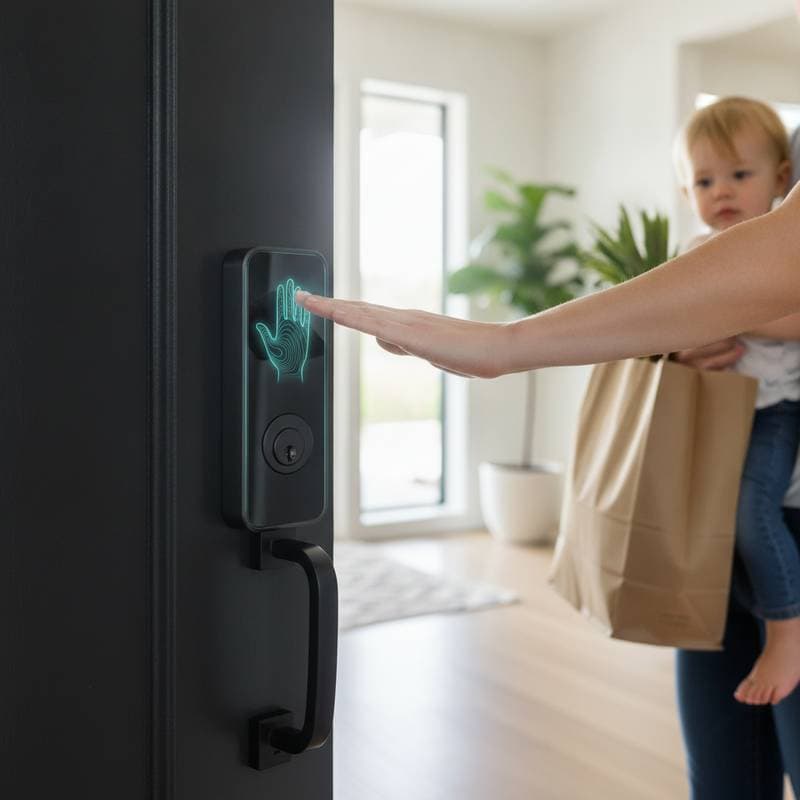
As smart home integration grows commonplace, individuals opt to enhance current doors over installing entirely new locking mechanisms. Retrofit options overlay standard deadbolts with minimal effort, typically involving no drilling, electrical work, or structural changes. This accessibility benefits homeowners, renters, and property managers seeking quick enhancements to entry systems.
The following sections examine the factors fueling this growth, responses from key industry players, and insights into evolving security practices.
Rental-Friendly Security Solutions
Renters drive much of the demand for smart locks, with studies indicating a rising focus on enhanced protection and ease of use in leased properties. Landlords often restrict modifications like drilling or hardware swaps, creating an opportunity for retrofit devices that install and remove cleanly.
These locks feature designs optimized for temporary use. Installation requires basic tools, and removal leaves no damage, allowing users to relocate them to future residences. Landlords gain from simplified tenant transitions, as locks support remote code changes without traditional rekeying.
Integration with property management software enables features such as automated guest access and scheduled entry for service providers. This service-oriented approach optimizes operations in multifamily housing, condominiums, and short-term rentals.
Consider entering a rental with a unique access code valid only for the rental period. Such capabilities redefine security, convenience, and reliability in communal living environments.
Prioritizing Ease Over Elaboration
Retrofit smart locks demonstrate that straightforward designs often outperform intricate alternatives. Although new-build models may include biometrics or built-in cameras, many users select options that emphasize reliability and quick setup over added complexity.
Elaborate systems frequently demand expert installation, hardware verification, or electrical modifications. Retrofit versions install in minutes with a single screwdriver, delivering immediate functionality.
Maintenance remains user-friendly as well. Should the electronic elements malfunction, the underlying mechanical lock continues to operate, preventing lockouts. This backup functionality appeals to those seeking enhancements that complement rather than complicate daily routines.
Industry leaders like Level and Yale align with this approach, developing retrofit products that retain key compatibility while incorporating digital controls for a balanced user experience.
Building Smart Homes Incrementally
The popularity of retrofit locks aligns with a larger pattern of phased smart home development. Users avoid extensive renovations by adding components gradually, starting with core elements like entry controls.
This method permits experimentation with ecosystems via apps or voice commands, with expansions added as needs arise. Retrofit locks serve as an ideal starting point, linking to broader networks for enhanced automation.
For instance, unlocking the door can activate interior lights or alert users to unsecured entries, all without significant upfront costs. Such interconnections provide tangible improvements in daily life.
Experts observe that this incremental strategy accelerates overall smart home penetration, particularly among millennials, renters, and budget-conscious families. It ensures technology aligns with individual routines rather than dictating them.
Enhancing Security Through Reliability
Convenience draws attention, yet robust protection underpins the appeal of retrofit smart locks. Contemporary models match or surpass conventional locks with features like end-to-end encryption, multi-step verification, and intrusion alerts.
Activity logs track all interactions, offering detailed access histories for review. Initial vulnerabilities to cyber threats have diminished through fortified protocols and consistent software updates.
Producers prioritize data security and system stability, learning from past challenges to build trust. Users benefit from tools to grant, monitor, and withdraw access permissions in real time, fostering a proactive stance on home safety.
This adaptability meets contemporary demands for security that responds to dynamic lifestyles and preferences.
Industry Adaptations and Competitive Dynamics
The divide between retrofit and new-build locks influences product development and promotional efforts. Traditional manufacturers, previously centered on integrated installations, now emphasize retrofit advancements to capture expanding markets.
Schlage and Kwikset, longstanding names in hardware, introduce wireless retrofit options compatible with standard setups. These target users wary of comprehensive overhauls, broadening their customer base.
Emerging companies differentiate through cost-effective designs and intuitive interfaces, lowering barriers to entry. Optional subscriptions for advanced logging or voice integrations add value without base price increases.
Heightened rivalry yields advantages for buyers, including competitive pricing, refined aesthetics, and accelerated improvements. Retrofit solutions now dominate, guiding the direction of upcoming innovations.
Patterns in Consumer Choices
Data on usage reveals evolving decision-making processes. Practicality and low impact outweigh flashy innovations as key selectors.
Demographic appeal spans groups: homeowners value remote monitoring, renters prioritize mobility, and managers seek efficient oversight. Retrofit locks introduce newcomers to smart tech through their approachable nature.
Research positions them as the top gateway device, combining affordability with utility. This status reflects a preference for gradual enhancements over disruptive projects, aligning with sustained lifestyle improvements.
Sustainability and Cost Benefits
Retrofit locks offer ecological and financial merits by prolonging the service of current hardware, thereby cutting down on replacements and resource use.
Financially, they provide high-tech features at reduced costs compared to full-system swaps. In larger properties or rentals, these efficiencies scale, yielding substantial long-term savings.
Such attributes attract environmentally aware buyers and support industry shifts toward durable, efficient products. Retrofit approaches promote responsible progress in connected living.
Advancing Accessible Home Security
The rise of retrofit smart locks indicates a deeper evolution in technology integration for residences. Solutions that accommodate existing structures, adjust to user requirements, and scale progressively empower broader adoption.
From compact urban dwellings to spacious family homes, these devices facilitate entry into intelligent environments with minimal barriers. Mature technology ensures reliable performance from the outset.
Connected homes evolve toward inclusivity, customization, and simplicity. As development progresses, anticipate enhanced interoperability and refined user experiences that elevate security without added complexity, harmonizing with contemporary living patterns.