AI Meal Planning Connects Fridge and Oven for Smarter Cooking
Smart kitchens now form connected ecosystems that anticipate needs and reduce daily effort. AI meal planning that links the fridge to the oven turns stored items into complete meals with little manual input. This approach addresses common issues such as time spent on meal decisions and forgotten ingredients that go to waste.
Surveys show cooking ranks among the most time consuming household tasks. Connected appliances solve this by tracking contents, recommending recipes, and preparing the oven automatically. The result is a kitchen that manages inventory and cooking steps in one flow.
Connected Kitchen Systems
Earlier smart appliances operated alone. Refrigerators tracked dates while ovens stored separate recipes. AI now joins these functions so data moves directly from storage to cooking equipment.
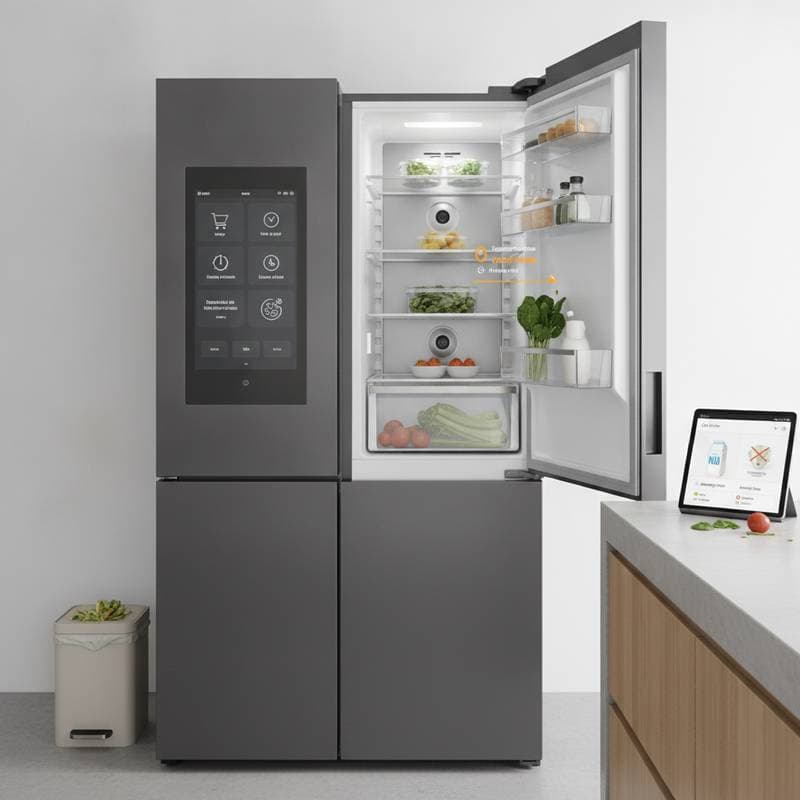
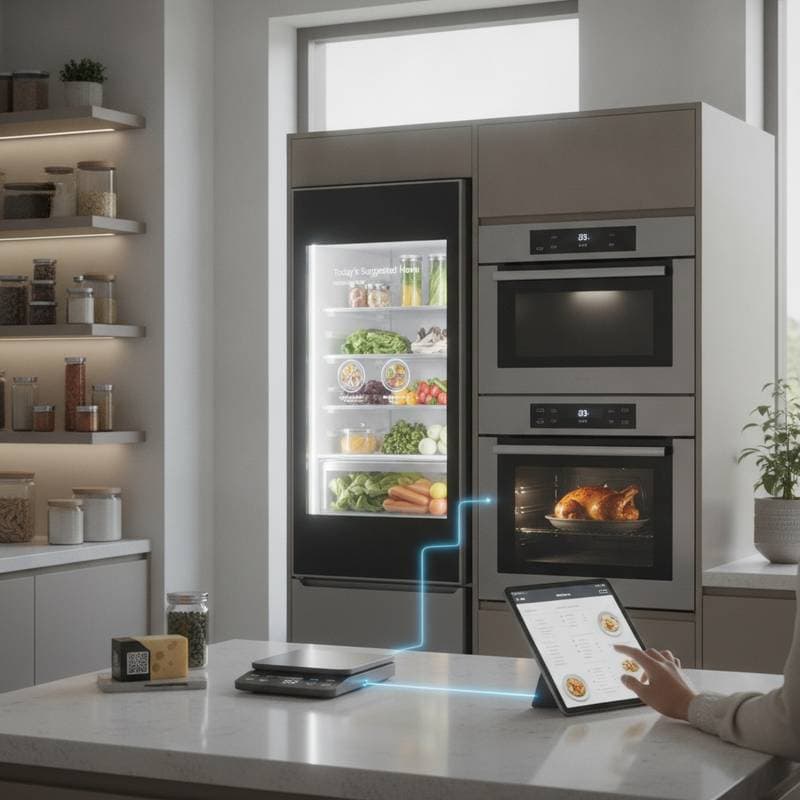
Cameras or sensors in the fridge record items and send details to an app. The system reviews preferences, proposes matching recipes, and forwards settings to the oven for preheating and timing. This automation cuts waste, lowers energy use, and removes repeated decisions.
Inventory Tracking
Modern refrigerators use cameras, sensors, and scanning to maintain accurate stock records. Users waste less food when they see real time lists of available items. Samsung Family Hub and LG InstaView models already identify produce and packaged goods then link to recipe suggestions.
Recipe Recommendations
The AI reviews fridge contents against personal dietary goals and health targets. It removes the need for manual entry required by older planning apps. Whirlpool Yummly demonstrates this by generating portion adjusted recipes that align with household profiles.
Oven Integration
Selected recipes travel directly to compatible ovens. The appliance sets temperature, mode, and duration without further input. GE Profile and Bosch Home Connect units already accept these commands so the cook places food inside and the oven completes the process.
Recipe Adjustments
Systems adapt when items run low. They suggest substitutes that preserve flavor and texture then update oven instructions. SideChef and Drop platforms show how missing ingredients trigger automatic changes across multiple brands.
Supply Replenishment
Low stock triggers automatic orders through linked services. This keeps staples aligned with planned meals and reduces unplanned store visits. Amazon and Instacart integrations track usage patterns to time restocking accurately.
Voice and App Management
Voice commands allow hands free checks of available recipes or oven starts. Integration with Alexa, Google Assistant, and Siri supports quick updates during other tasks.
Device Compatibility
The Matter standard improves communication across brands. Users manage a fridge, oven, and app from one interface instead of separate platforms.
Daily Advantages
These features turn meal preparation into a guided process. Convenience comes from instant suggestions based on existing stock. Efficiency improves when the oven preheats while chopping begins. Health tracking supports balanced portions. Reduced waste and optimized energy use support lower resource consumption.
System Operation
Machine learning models identify items from camera images and match them to recipes. Commands then reach appliances for temperature and timing control. Sensors adjust heat during cooking. Links to nutrition apps record intake without extra steps.
Adoption Considerations
Premium pricing and data privacy remain concerns. Manufacturers offer gradual rollout options and local data processing to address these points. Maturing standards simplify setup across devices.
Current Platforms
Samsung SmartThings Cooking combines camera data with oven control. LG ThinQ Kitchen adds nutrition tracking. Whirlpool Yummly focuses on guided recipes. Bosch Home Connect stresses energy precision. SideChef and Drop connect appliances from varied makers.
Human Role
Automation handles routine steps while the cook retains creative choices. A user can return home, review three suggested meals on a phone, and start the oven with one approval. This leaves more time for family and enjoyment rather than planning.
Future Capabilities
Predictive functions will anticipate schedules and suggest meals that match upcoming needs. Integration with delivery services will blend home cooking and prepared options. The kitchen becomes an active partner in daily food decisions.