The Promise of AI Smart Fridges
You open the refrigerator door, anticipating crisp vegetables for a simple meal. Instead, you find limp greens and an overlooked yogurt container beyond its prime. Such discoveries frustrate many households and represent wasted resources.
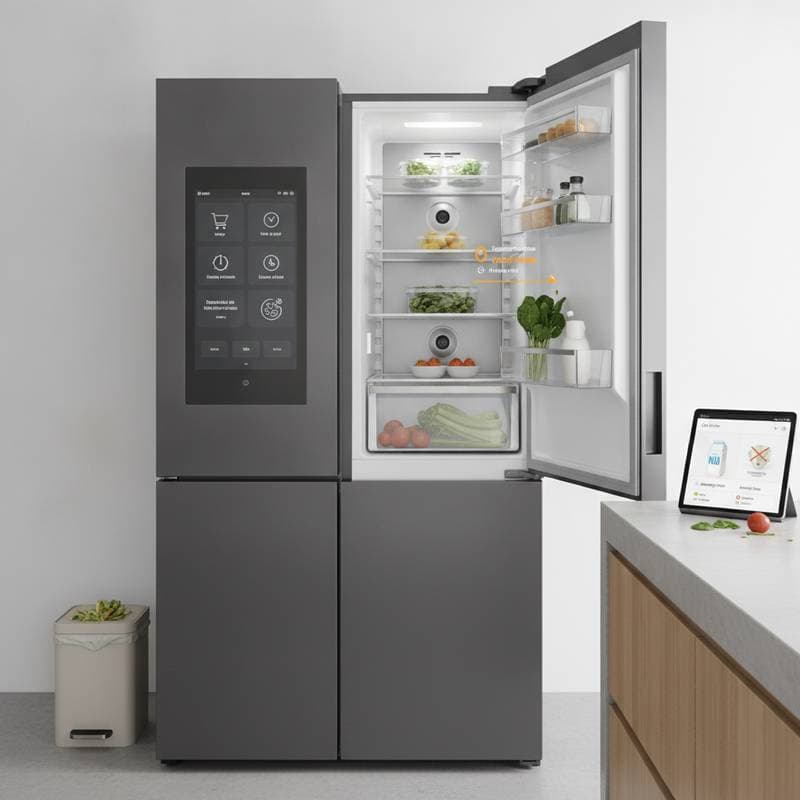
Advanced AI smart fridges address this issue by tracking every item inside. They monitor expiration dates, assess freshness levels, and propose recipes to prevent spoilage. These appliances extend beyond basic cooling to serve as intelligent partners that promote smarter shopping, efficient cooking, and reduced waste.
The Impact of Food Expiration Tracking
Household food waste constitutes a significant yet often overlooked expense. Forgotten leftovers, outdated condiments, and unused bulk items lead to annual losses of several hundred dollars per family. This waste also complicates meal planning and contributes to environmental concerns.
AI smart fridges alter this dynamic through integrated technologies. AI vision systems, barcode scanning, and cloud databases enable precise identification of stored items. The result includes timely reminders, improved organization, healthier choices, and a more sustainable approach to kitchen management.
Core Technologies in AI Smart Fridges
Contemporary AI smart fridges rely on interconnected systems for effective operation:
-
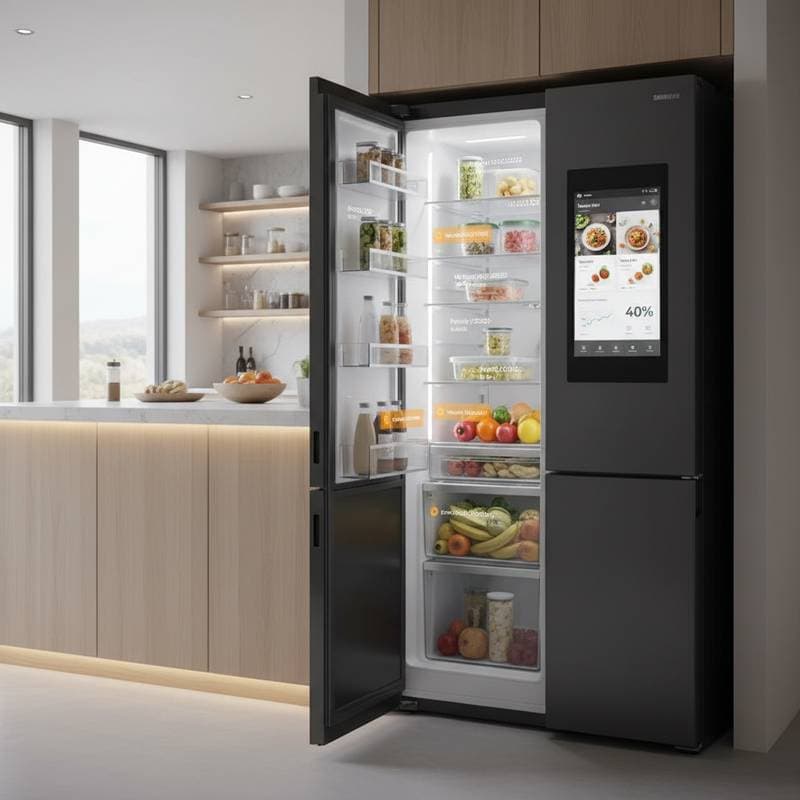
Internal Cameras and Image Recognition: Positioned cameras photograph contents upon door closure. AI processes these images to identify items, reference databases, and predict shelf life based on product type and conditions.
-
Barcode and QR Code Scanning: Users scan groceries during storage. The fridge logs details like brand, type, and expiration from connected online sources.
-
Temperature and Humidity Sensors: These maintain ideal environments and adapt cooling zones to specific food categories.
-
Notifications and Recipe Integration: Alerts appear via mobile apps for impending expirations, such as using berries in a smoothie.
-
Connections to Assistants and Services: Compatibility with Amazon Alexa, Google Home, or Samsung SmartThings supports automated shopping lists and restocking.
For optimal performance, installers recommend positioning cameras on central shelves. Ensure labels face outward to aid AI learning. The system refines accuracy over time by adapting to user patterns and local products.
Recommended Models for Expiration Tracking
Consider these three models to suit various budgets and needs.
Budget Option: LG InstaView ThinQ Refrigerator ($1,999)
This unit offers a knock-to-view transparent panel, Wi-Fi connectivity, internal cameras, and the LG ThinQ app. The app tracks inventory and sends expiration alerts. It suits small households seeking essential features at an accessible price.
Mid-Range Selection: Samsung Family Hub Smart Refrigerator ($2,799)
The Family Hub excels in versatility with cameras for grocery identification and the SmartThings app for expiration syncing and recipe suggestions. Remote interior viewing aids shopping trips. The built-in display functions as a hub for calendars, notes, and entertainment.
Premium Choice: GE Profile Smart Refrigerator with AI Vision ($4,399)
GE's model employs sophisticated object recognition and cloud learning to detect perishables like dairy and produce accurately. Alexa integration provides voice-based updates. Dual-zone cooling preserves humidity-sensitive items effectively.
Each model requires Wi-Fi and app setup. LG integrates seamlessly with ThinQ devices, Samsung enhances smart home networks, and GE prioritizes precise tracking.
Optimizing Setup for AI Functionality
Installation involves more than basic connection. Follow these steps for maximum benefit:
-
Establish Wi-Fi and Firmware Updates: Secure internet access to receive the latest AI enhancements and fixes.
-
Configure the Companion App: Set up profiles, input preferences, and activate notifications.
-
Arrange Shelves Logically: Group similar items and position labels for clear visibility.
-
Scan Items on Entry: Use app or panel scanning to boost data precision.
-
Calibrate Temperature Zones: Set crispers for high humidity with vegetables and drawers for meats.
Engage a professional for sensor calibration and ecosystem integration. Platforms like XavageTech Marketplace connect users with specialists for efficient setup.
AI Adaptation to Household Patterns
Within weeks, the fridge analyzes consumption rates alongside item identification. It forecasts shortages for essentials like milk or eggs based on usage data.
For example, rapid depletion of spinach prompts adjusted reminders, while slower-use items receive earlier alerts. These refinements personalize the experience. Data processing occurs anonymously and securely to protect user privacy.
Financial and Efficiency Analysis
Initial costs for AI fridges exceed standard models, yet long-term savings emerge. Key factors include:
-
Energy Use: Energy Star ratings yield 10 to 15 percent lower consumption than legacy units.
-
Waste Mitigation: Tracking reduces spoilage by up to 30 percent, recovering substantial annual savings.
-
Preventive Maintenance: Diagnostics identify issues early to minimize repair expenses.
-
Ongoing Updates: Automatic improvements enhance features without user intervention.
Prices range from $1,800 to $4,500, with installation at $200 to $400. Older homes may require electrician consultation for wiring compatibility.
Integration with Smart Home Systems
Select a fridge that aligns with existing setups:
-
Voice Assistants: Verify support for Alexa or Google Assistant.
-
App Ecosystems: Samsung SmartThings and LG ThinQ link to ovens, dishwashers, and lights.
-
Hub Compatibility: Ensure feeds display on devices like Echo Show or Nest Hub.
Advanced options include IFTTT for automations, such as low-stock notifications or list updates.
Advancements in Kitchen AI
AI extends to ovens that auto-adjust temperatures and dishwashers that optimize cycles. These form a proactive kitchen network.
The refrigerator anchors this setup, managing inventory, efficiency, and planning. Emerging sensors for odor and bacterial detection promise real-time freshness monitoring, though currently experimental.
Addressing Privacy and Practicality
Connectivity prompts security questions. Manufacturers apply robust encryption and anonymization; apps allow permission reviews and optional cloud disabling.
Repairs involve specialized components like sensors. Opt for brands with strong service, such as GE or Samsung extended warranties covering software.
Steps to Upgrade Your Kitchen
Evaluate space before purchase; smart fridges demand more depth and weight. Measure for door swing and ventilation, and test Wi-Fi strength.
Align selection with routines: tracking aids meal preppers, remote access benefits travelers. Retailers provide financing and promotions for affordability.
Benefits of Daily Use
A fridge that prompts produce usage transforms routines. Shopping becomes targeted, meals planned swiftly, and inspections confident. This shift fosters efficiency and satisfaction in kitchen management.