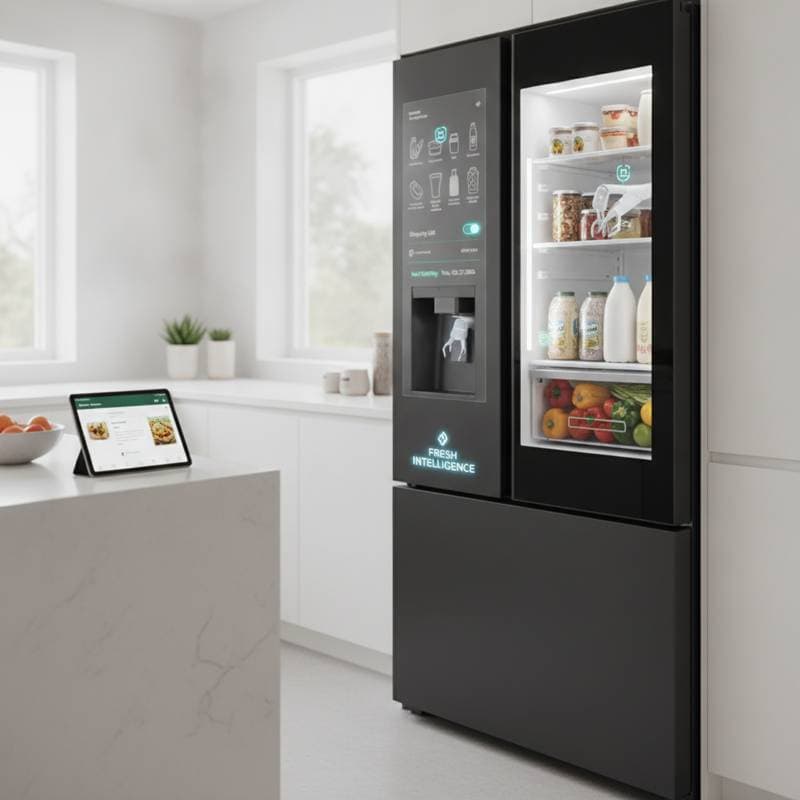
AI Smart Refrigerators That Auto-Order Groceries for You
Smart homes continue to advance rapidly. The kitchen now serves as one of the most connected spaces in any residence. AI smart refrigerators lead this change through their capacity to monitor inventory, propose meal ideas, and place replenishment orders without manual input. These appliances alter household routines around shopping, meal preparation, and inventory control.
The Rise of Intelligent Kitchens
Homeowners seek greater efficiency in routine tasks. Data indicate that over half of households already operate at least one connected kitchen appliance. Refrigerators have emerged at the forefront of this adoption. Newer units employ internal cameras along with sensors and machine learning algorithms to observe stock levels continuously. When supplies of staple items such as milk or eggs fall below a set threshold, the appliance can initiate an order through a linked grocery service.
How It Works
Cameras inside the unit record images of stored products. Machine learning models then classify each item and calculate remaining quantities. Integration with a grocery delivery account allows the refrigerator to complete purchases automatically. Certain models incorporate user defined dietary guidelines and spending limits before finalizing any transaction.
Manufacturers have formed direct connections with major retailers. A refrigerator can access pricing data across platforms, select cost effective options, and arrange delivery times that align with household schedules. The entire replenishment sequence occurs without user intervention after initial setup.
Why It Matters
Time savings represent the primary advantage. Households reduce the hours spent on inventory checks and shopping lists each week. Reduced spoilage occurs because the system logs expiration dates and consumption rates. Health oriented users receive meal suggestions drawn from current contents and can request automatic reorders of ingredients that support specific nutrition targets.
Power consumption also declines. The appliance reviews cooling cycles and recommends settings that lower electricity use. Predictive service notifications further support long term reliability and resource conservation.
Real-World Examples
Major manufacturers have released models that adapt to observed purchase patterns. A household that acquires yogurt at regular intervals will see the item added to upcoming orders without separate requests. Some units link to external recipe databases and generate meal options based on available ingredients. One scenario involves the detection of chicken and fresh produce followed by a suggested stir fry along with an order for any absent components.
Compact versions now serve smaller living spaces. Apartment residents and shared housing groups gain access to the same automation previously limited to larger properties.
Living with a Smarter Fridge
Daily interaction with an AI refrigerator shifts attention from stock management to meal selection. Users concentrate on preferred dishes rather than missing items. The appliance maintains consistent supply levels, preserves freshness through timely alerts, and supports varied menu planning.
Integrating Smart Refrigeration into Daily Routines
These refrigerators function as active household assistants rather than passive storage units. They anticipate supply needs, limit waste, and coordinate with other kitchen tools. Continued advances in artificial intelligence will expand personalization options and cross device coordination. Households gain reliable support for nutrition planning and operational efficiency.