AI Smart Fridges Monitor Food to Minimize Waste
Smart homes evolve from conveniences to essential components of daily life, with kitchens emerging as centers of intelligence. AI-powered smart fridges lead this transformation, serving as hubs for convenience and sustainability. These appliances surpass basic cooling functions by inventorying purchases, assessing freshness levels, and proposing recipes from available ingredients. Consequently, households experience reduced food disposal and optimized use of resources.
Understanding the Challenge of Food Waste
Food waste represents a significant issue in contemporary households. Individuals often purchase groceries with positive intentions, yet overlook items such as a forgotten bag of spinach or inaccurately estimate expiration periods. Research indicates that a substantial percentage of domestic waste originates from spoiled or unused provisions. This inefficiency extends beyond financial loss to encompass squandered energy, packaging materials, and transportation efforts.
Conventional refrigerators provide minimal assistance beyond temperature control. They lack visibility into contents, purchase dates, or longevity estimates. AI smart fridges address this limitation through proactive monitoring and insights.
Core Features of AI-Enabled Refrigerators
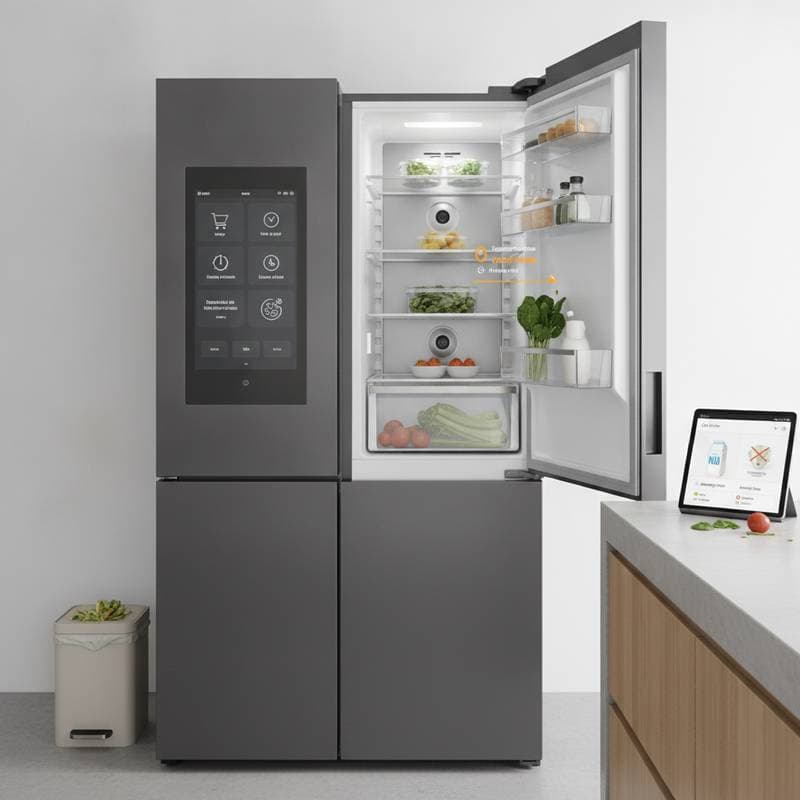
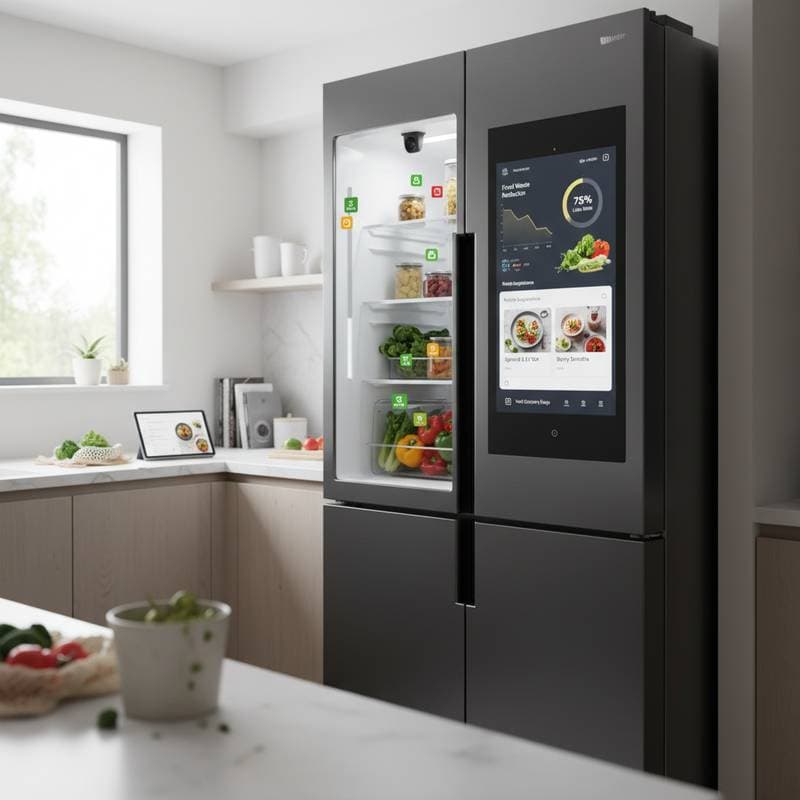
AI smart fridges employ internal cameras, sensors, and analytical algorithms to catalog every item stored within. Upon closing the door, the device photographs the interior, recognizes products, and maintains a digital record. Certain models link to smartphones or voice assistants, enabling remote access to inventory details. Integration with grocery delivery services allows automatic updates to shopping lists as stocks deplete.
The software drives the sophistication. It distinguishes items by analyzing labels, colors, and forms, such as differentiating a head of lettuce from a jar of pickles. The system adapts to user patterns, anticipates shortages, and issues alerts prior to expiration. Gradually, it functions as a customized kitchen aide, preserving freshness and optimizing expenditures.
To implement these features effectively:
- Position the fridge in a well-lit area to ensure clear camera captures.
- Regularly calibrate sensors through the companion app for accurate readings.
- Review inventory logs weekly to refine habit-based predictions.
Benefits for Household Management
AI smart fridges combine practicality, economy, and environmental responsibility. They mitigate waste by notifying users of impending expirations and offering inventive utilization suggestions. Consider receiving an alert about ripening avocados paired with recipes for immediate preparation. Such anticipatory support integrates technology seamlessly into routines.
Financially, diminished waste translates to fewer shopping trips and reduced expenses. For families, these tools facilitate structured meal planning and nutritious selections. Environmentally, they lessen the volume of discarded food that exacerbates greenhouse gas emissions. Sustainable practices thus originate from enhanced grocery management.
Innovations from Leading Manufacturers
Prominent appliance producers have launched refrigerators with sophisticated tracking capabilities. One established brand utilizes interior cameras alongside cloud-based identification to catalog items and project shelf life. Another incorporates temperature and humidity sensors to establish tailored zones, prolonging viability for fruits, vegetables, and dairy products.
Emerging startups emphasize software solutions. Applications that pair with existing refrigerators via barcode scans or manual inputs deliver comparable advantages without hardware replacement. Additional ventures explore community features, such as alerts for sharing excess items with neighbors to prevent spoilage. This burgeoning network accelerates adoption across diverse households.
Data Utilization and Customization
AI smart fridges rely on systems that analyze usage trends. They monitor door openings, preferred foods, and cooking cadences. Based on this data, the device proposes nutritional enhancements or portion modifications aligned with individual lifestyles. Experts highlight personalization as a primary factor in smart device uptake, as users seek intuitive adaptations over mere responsiveness.
Privacy concerns warrant attention. Established manufacturers process images and records on-device or via secure channels, empowering users with data management options. As regulations advance, integrated safeguards will further bolster trust in these technologies.
Integration Within Connected Kitchens
Smart fridges form integral parts of interconnected culinary ecosystems. Envision the refrigerator communicating with an oven to initiate preheating for a suggested dish, or synchronizing with a health application to equilibrate dietary needs against inventory. Such connectivity elevates kitchen operations from isolated tasks to cohesive experiences.
Adopting Smarter Kitchen Practices
AI smart fridges extend beyond technological novelty to foster supportive home environments. By maintaining precise inventories and prompting timely ingredient applications, they cultivate deliberate consumption and attainable sustainability. For those updating kitchen setups, investing in a smart fridge represents a practical advancement toward resourceful, planet-friendly living.