AI Fridges Cut Food Waste by 80% Effortlessly
Smart homes reshape daily living, with the kitchen emerging as the central hub of this change. AI-powered refrigerators lead this transformation by maintaining optimal temperatures while actively managing food inventory. These devices reduce food waste by up to 80 percent, according to recent consumer studies, through features like real-time monitoring, expiration predictions, and customized meal suggestions. Households benefit from lower costs, decreased environmental harm, and streamlined routines that promote sustainable practices.
The Hidden Cost of Forgotten Food
Households often encounter spoiled produce or outdated dairy tucked away in refrigerator corners. Food waste extends beyond minor annoyances; it burdens finances, consumes unnecessary energy, and exacerbates environmental pressures. Research shows that a significant share of weekly groceries ends up discarded rather than consumed. This issue stems from oversight rather than neglect, as individuals struggle to monitor inventory, shelf life, or potential uses.
Standard refrigerators provide basic cooling but lack awareness of contents. Items placed inside vanish from active consideration, leading to inefficiency and regret. AI integration in appliances addresses this gap by introducing intelligent oversight.
Smarter Eyes in the Kitchen
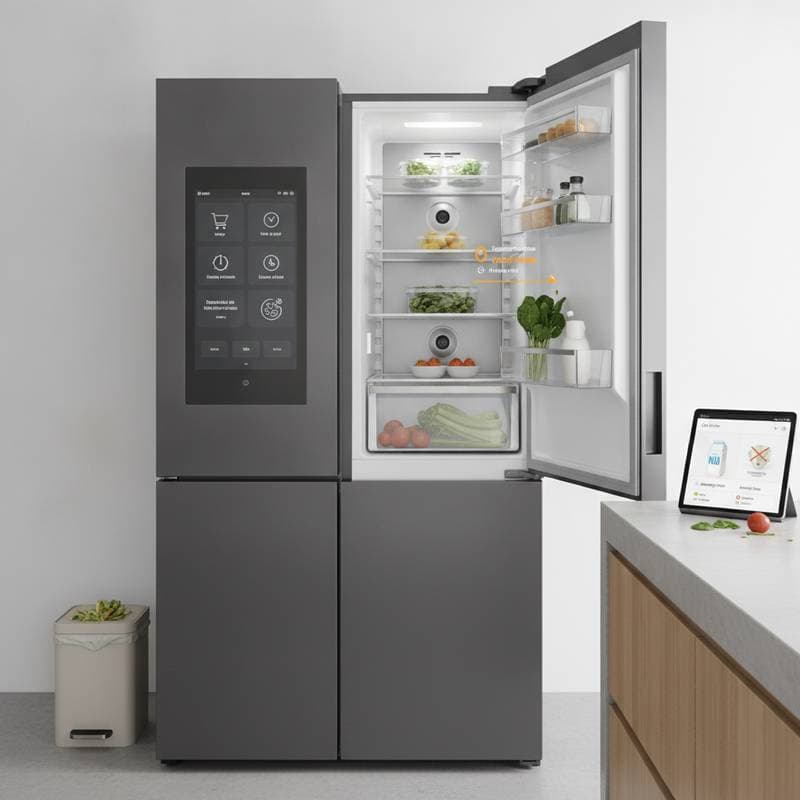
Advanced smart refrigerators incorporate internal cameras, sensors, and image recognition algorithms. These tools go beyond simple photography; they catalog items, log expiration timelines, and propose recipes using available stock. When linked to shopping applications or voice assistants, the system forms a continuous cycle from purchase to preparation.
Consider accessing a fridge display that inventories contents with color-coded freshness levels. Verify milk viability or spinach availability without manual searches. Certain models adapt to user patterns, forecasting shortages and compiling targeted shopping lists.
Predictive Freshness and Real-Time Alerts
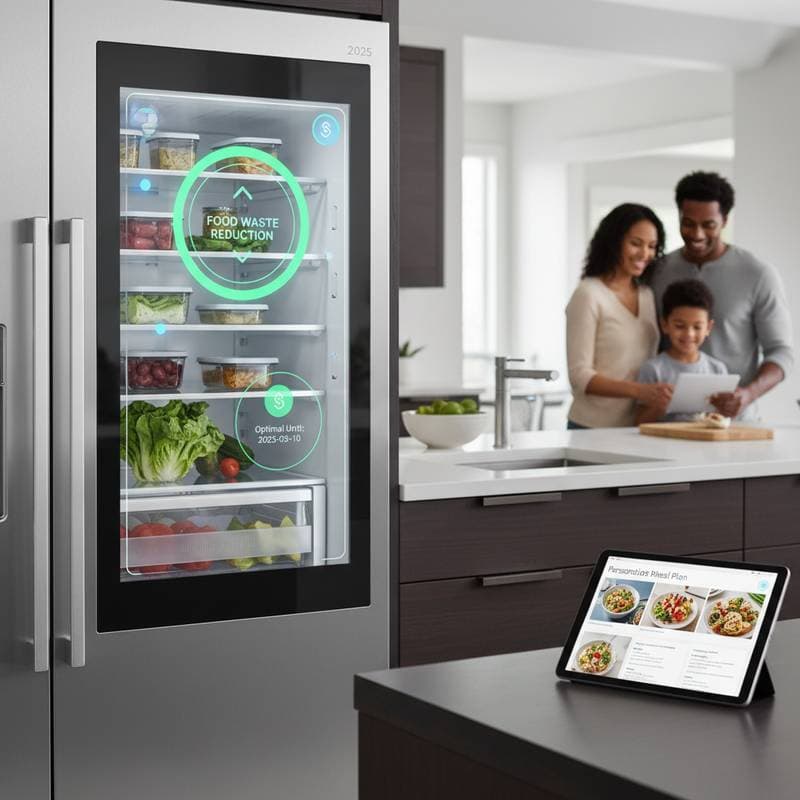
Predictive freshness tracking represents a key advancement in AI refrigerators. Devices assess variables including temperature fluctuations, humidity levels, and door access frequency, surpassing reliance on printed dates that often overestimate usability. Alerts notify users of impending spoilage, enabling timely action.
For instance, if berries approach their peak, the fridge recommends incorporating them into immediate recipes. This proactive guidance elevates the appliance from storage unit to advisory tool. Users achieve reduced waste, enhanced meal quality, and optimized kitchen operations with minimal intervention.
Personalized Meal Planning Made Simple
AI refrigerators extend beyond storage to offer tailored dietary support. By analyzing usage trends, they generate recipe ideas aligned with preferences and current ingredients. Vegetarians receive plant-based options, while those managing sodium intake get adjusted recommendations. Integration with fitness applications further aligns suggestions with wellness objectives.
Shopping assistance follows suit, with notifications highlighting depleted categories like proteins and proposing curated delivery lists. This approach eliminates haphazard planning, positioning the kitchen as a responsive ally that foresees requirements.
Connected Ecosystems and Seamless Integration
AI refrigerators unlock full potential within interconnected home networks. Standards such as Matter ensure compatibility, allowing dialogue with platforms like Alexa or Google Assistant. The fridge instructs ovens to prepare for recipes, prompts phones for restocking, or collaborates with pantry systems for space allocation.
This connectivity fosters cohesive environments over standalone devices. Homeowners gain subtle yet profound efficiencies, where each element contributes to waste reduction, time savings, and elevated comfort.
Real-World Examples Leading the Way
Prominent manufacturers deliver these technologies today. Samsung's Family Hub refrigerators feature interior cameras for item detection and recipe guidance via dedicated apps. LG's InstaView ThinQ models employ visual AI to track contents and issue freshness warnings. Whirlpool and Bosch offer comparable units that pair with digital assistants and delivery services.
These products bridge innovation and accessibility. Adoption trends indicate consumer readiness for appliances that provide tangible benefits beyond gimmicks.
The Sustainability Advantage
AI refrigerators yield notable environmental gains. Discarded food generates methane emissions and squanders resources from farming to transport. By extending usability and promoting judicious use, these devices curb household waste substantially. Experts project that broader implementation could lessen global food loss considerably, alleviating fiscal and planetary stresses.
Eco-aware individuals find value in this purposeful tech. Sustainable habits integrate seamlessly, yielding dual benefits of cost reduction and footprint minimization without major adjustments.
Overcoming Adoption Barriers
Emerging technologies like AI refrigerators encounter hurdles, including higher upfront prices compared to conventional units. Interoperability and privacy issues also arise, with users seeking robust data protection and brand-agnostic functionality.
Industry responses include enhanced security protocols, clear data handling guidelines, and universal connectivity. Feedback from initial adopters highlights rapid returns through convenience and savings. Familiarity with these efficiencies discourages reversion to basic models.
Everyday Efficiency in Action
Envision a routine morning: the fridge confirms egg freshness, flags spinach for prompt use, and notes yogurt depletion. It proposes a smoothie, links instructions to a blender, and updates the shopping list. Begin the day nourished, waste-free, and organized.
During errands, the app cross-checks existing stock to avoid duplicates. Evening prompts draw from remnants for dinner ideas, preventing oversights. Such scenarios unfold in contemporary homes, refining habits intuitively.
What It Means for the Modern Home
Intelligent refrigeration signals a broader evolution in adaptive residences. Spaces now respond to inhabitants, with the fridge serving as a nutrition command center. It merges data insights, behavioral patterns, and choices to foster personalized, streamlined living.
Families enjoy diminished stress and financial relief. Urban dwellers access efficient procurement and balanced nutrition. All users gain from kitchens attuned to real-life demands.
Steps to Integrate AI Refrigeration
To embrace this technology, assess current food handling practices. Identify frequent waste sources, such as overlooked vegetables or excess purchases. Research models suited to household scale, culinary preferences, and finances; entry-level versions often include core inventory tools.
Post-installation, connect to mobile devices or assistants, enable alerts, and experiment with suggestions. The system refines over time based on interactions. This adoption cultivates intentional use and sustainable ease.
Future developments position the AI fridge as an indispensable collaborator, preempting demands and orchestrating tasks autonomously. The 80 percent waste reduction claim holds as a realistic outcome of these capabilities.