AI Meal Planning Syncs Your Fridge to Oven Effortlessly
Smart kitchens evolve faster than any other area of the connected home. Voice activated lights and app controlled coffee makers represent early steps. The current wave centers on AI driven meal planning that links the refrigerator, pantry, and oven into one intelligent system. The objective centers on easier, healthier, and more efficient home cooking through direct appliance communication.
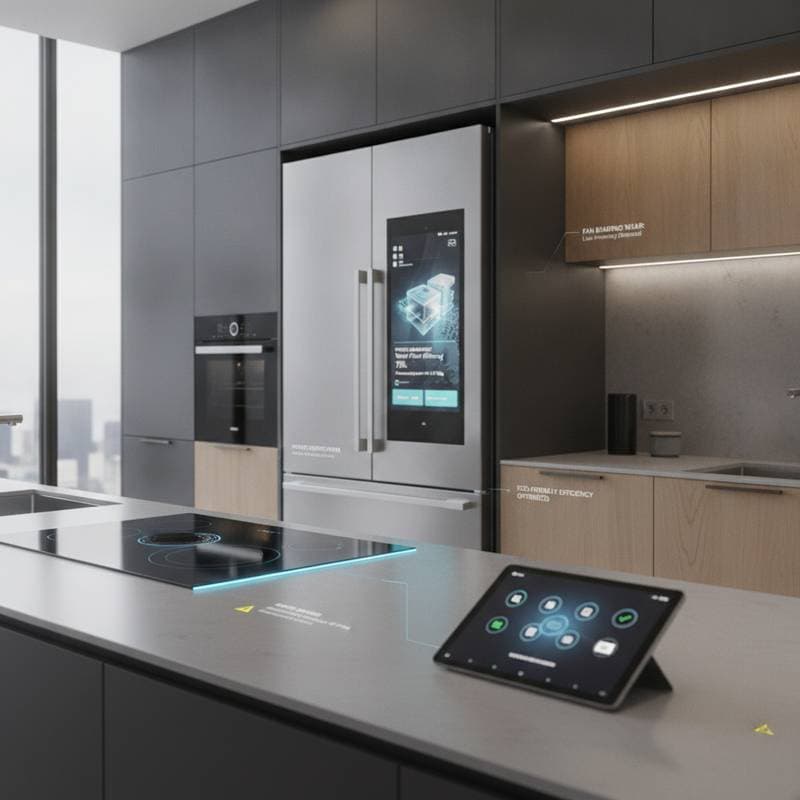
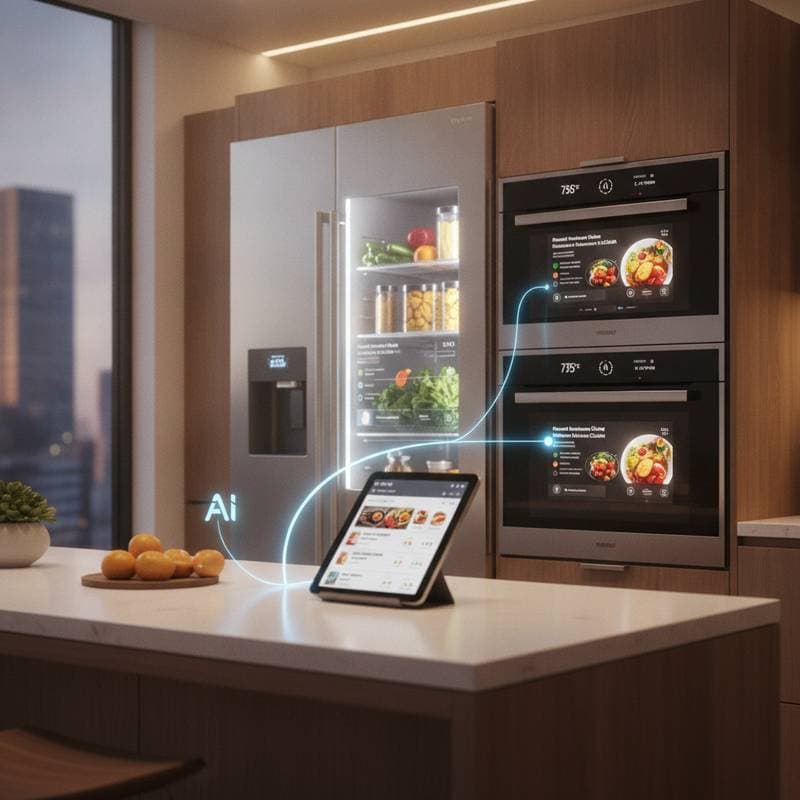
A refrigerator screen can list current ingredients and suggest complete meals for the evening. One tap sends preheat instructions to the oven, loads the selected recipe, and updates the shopping list for future purchases. This level of coordination now exists through available technology.
1. Smart Inventory Meets Predictive Cooking
Smart refrigerators form the base layer through internal cameras and weight sensors that identify stored items and track remaining quantities. The system estimates spoilage dates for perishable goods and flags low stock on staples such as milk or eggs.
AI then converts this inventory data into recipe suggestions that prioritize items already on hand. The result reduces spoilage, lowers grocery costs, and supports balanced nutrition without additional planning effort. Several manufacturers now route camera images to a companion application that matches ingredients against large recipe libraries and generates a coordinated cooking schedule for the oven.
2. Connected Appliances Create a Unified Kitchen
Smart ovens and microwaves exchange data through common platforms. When the refrigerator proposes a recipe, cooking parameters transfer directly to the oven, which then sets temperature and duration for optimal energy use and texture.
Cross appliance communication removes the need to toggle between separate applications. Voice commands such as start dinner trigger preheating, timer activation, and lighting changes in sequence. The kitchen operates as a single workflow from storage through plating.
3. Personalized Nutrition and Lifestyle Insights
Systems incorporate stated dietary goals and observed patterns to refine suggestions. Users receive options that align with targets for sodium, protein, or plant based meals.
The same data set identifies recurring gaps, such as skipped breakfasts, and proposes available ingredients for quick preparations like overnight oats. Continuous learning improves match quality over successive weeks.
4. Grocery Automation and Food Waste Reduction
Inventory awareness enables automatic list generation and scheduled delivery orders through integrated services. Users can specify preferences for local or sustainable sourcing.
The same logic surfaces items approaching expiration and pairs them with suitable recipes. This sequence directly lowers household food waste by converting near term perishables into planned meals.
5. The Rise of Adaptive Cooking
Ovens equipped with temperature probes and humidity sensors modify heat output during the cooking cycle. If surface browning advances too rapidly, the system lowers temperature without user intervention.
Camera monitoring identifies food type and doneness stage, allowing the appliance to apply corrections drawn from prior cooking sessions. Results become consistent across different ingredient batches.
6. A New Standard for Kitchen Simplicity
Automation handles background coordination of lists, timers, and appliance settings. Homeowners therefore spend less time managing separate interfaces during meal preparation.
Recent surveys indicate rising purchases of appliances that deliver measurable automation rather than remote control alone. The emphasis has shifted toward practical daily utility.
7. Privacy and Control Still Matter
Manufacturers address data concerns through on device processing of inventory images and clear permission controls inside companion applications. Users retain the ability to review or reject any automated suggestion.
The preferred design maintains manual override options alongside automated flows. This balance preserves user agency while delivering convenience.
Choosing Compatible Appliances
Select appliances that operate on open communication standards so that inventory data, recipe instructions, and cooking parameters move without friction. Prioritize models that combine ingredient tracking with adaptive cooking when meal preparation occurs frequently. Systems that add nutrition guidance suit households seeking structured dietary support. These integrations enhance the cooking process rather than replace it.