AI Chefs Revolutionize Smart Kitchens by 2026
Smart homes evolve from automated lighting and thermostats to intelligent kitchens that plan, cook, and adapt to individual lifestyles. The emergence of AI chefs marks a significant advancement in meal preparation. These systems extend beyond mere convenience; they redefine home cooking by integrating data-driven precision with culinary creativity.
Consider entering your kitchen where the system proposes a recipe based on fridge contents, available time, and dietary preferences. The oven preheats automatically, the stovetop sets optimal temperatures, and the AI provides step-by-step instructions or assumes full control. This scenario represents the future of connected living, where artificial intelligence elevates cooking from routine chore to personalized endeavor.
The Evolution of the Smart Kitchen
Smart kitchens have long included connected appliances, recipe applications, and voice-controlled assistants. However, these tools typically demand human oversight and coordination. The current transformation involves machine learning and adaptive algorithms that enable appliances to collaborate seamlessly.
AI chefs leverage vision recognition, natural language processing, and predictive analytics to devise meals, track cooking progress, and modify recipes on the fly. They analyze user behavior, nutritional objectives, and flavor preferences to evolve into a personal sous chef, nutritionist, and culinary advisor combined. Market studies indicate increasing adoption of connected kitchen devices, including smart ovens, refrigerators, and inventory managers, as consumers seek solutions that streamline routines and promote healthier eating with minimal effort.
Personalized Cooking Experiences
AI-powered systems customize recipes to align with personal tastes, dietary requirements, and schedules.
Such personalization alleviates decision-making pressures. Rather than sifting through meal options, the kitchen anticipates preferences and timing.
For instance, Samsung and LG incorporate AI into smart ovens that adjust cooking parameters and forecast completion times. These ovens detect dish types and recommend precise settings for temperature and duration, refining suggestions through user input over time.
This approach fosters a dynamic connection with kitchen devices. Appliances begin to predict needs, delivering meals that feel bespoke and attentive.
Ingredient Recognition and Waste Reduction
Computer vision technology identifies ingredients and monitors expiration dates.
Food waste poses a persistent challenge for households managing leftovers and perishables. AI kitchens address this by scanning storage areas and generating recipes from existing items.
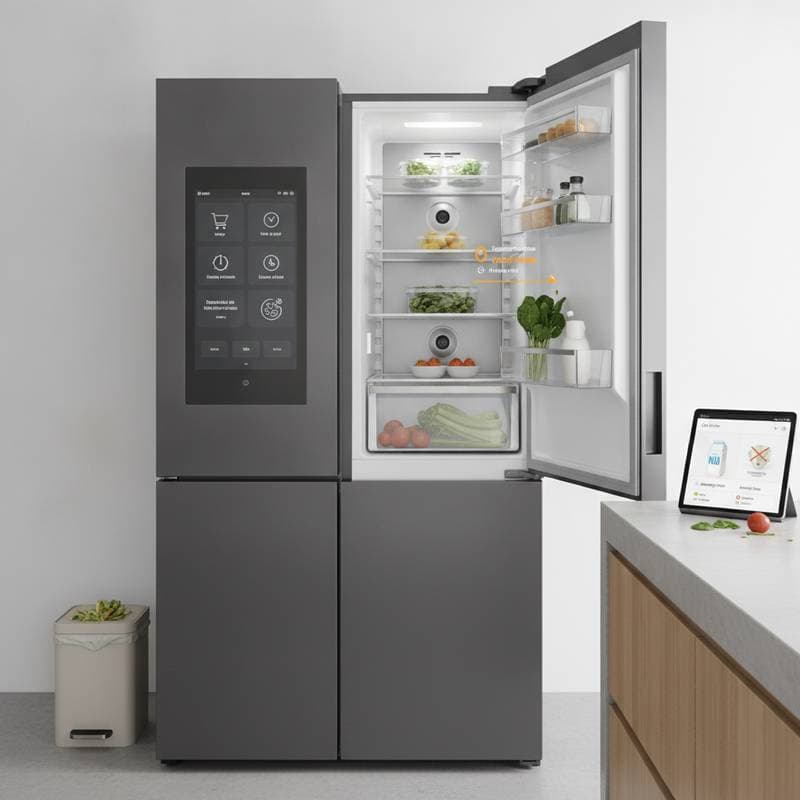
A camera-equipped smart refrigerator detects contents, assesses freshness, and alerts users to impending spoilage. When linked to an AI chef, it proposes dishes utilizing those elements promptly.
This functionality promotes sustainability and cost savings. It also sparks innovation by revealing recipes tied to inventory rather than premeditated purchases.
Automated Cooking and Precision Control
Appliances operate independently with AI-guided accuracy.
Achieving uniform results proves difficult even for seasoned cooks. AI eliminates uncertainty, guaranteeing optimal outcomes consistently.
Devices such as the June Oven and Tovala employ cameras and sensors to identify foods and calibrate settings autonomously. Future iterations will synchronize multiple units; for example, an oven might grill salmon as the cooktop steams vegetables, synchronizing for ideal presentation.
This automation empowers users to produce professional-grade dishes without vigilant monitoring. It shifts cooking toward effortless enjoyment.
Nutritional Intelligence and Wellness Integration
Platforms monitor nutrient consumption and tailor preparations to health aspirations.
Health awareness grows, yet time and expertise often limit balanced planning. AI chefs evaluate habits and formulate plans supporting weight control, exercise, and overall well-being.
An interconnected kitchen may link with wearables to adapt suggestions based on activity or rest patterns. Following a moderate exercise session detected by a smartwatch, the system could recommend a protein-rich evening meal for recuperation.
This establishes a comprehensive health framework, positioning the kitchen as a proactive ally in personal wellness.
Voice and Gesture Interaction
Intuitive exchanges with appliances occur via voice commands and hand signals.
Contactless methods maintain hygiene and efficiency during preparation. They enhance accessibility for diverse users, including seniors and those with physical limitations.
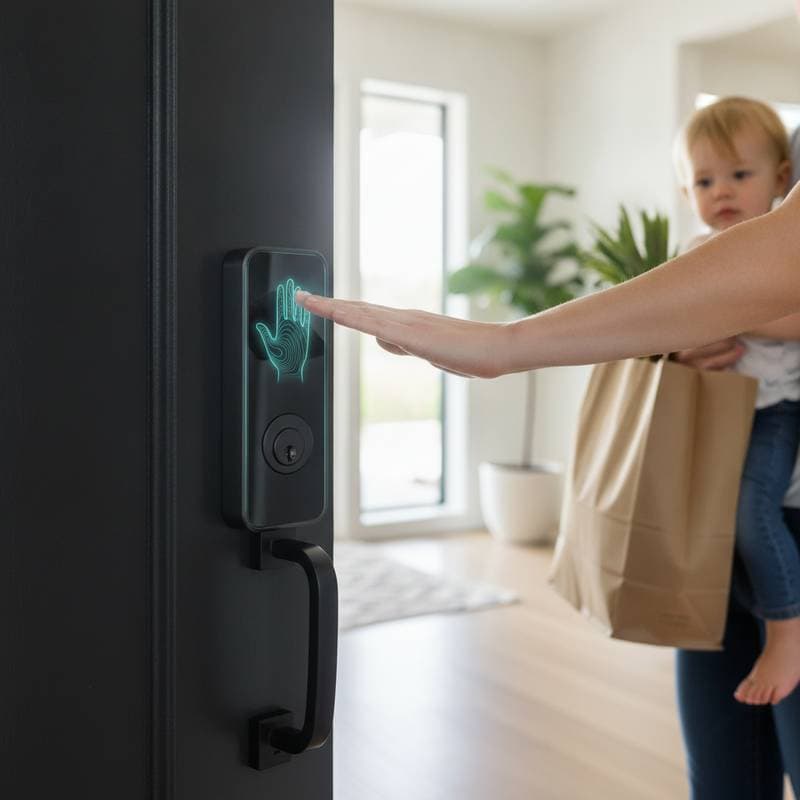
Envision kneading dough while verbally instructing the oven to preheat or adjust timers. A hand gesture could halt a simmering pot. These methods integrate naturally, minimizing reliance on interfaces or displays.
Assistants like Alexa and Google Assistant offer foundational controls. Advanced AI chefs will interpret context and purpose beyond literal directives; uttering "simplify tonight's dinner" might activate an easy recipe matching energy levels and stock.
Connected Ecosystems and Interoperability
Unified platforms enable device communication across the kitchen.
Disjointed setups frustrate smart home enthusiasts. Seamless compatibility permits cross-brand harmony.
Standards like Matter facilitate uniform interactions. A smart oven might interface with a refrigerator's stock tracker and wearable health metrics, orchestrating a cohesive cooking process.
This connectivity mirrors wider smart living patterns. Users prefer integrated networks that ease daily tasks over standalone tools.
Learning from Professional Expertise
AI systems train on datasets from expert kitchens and chefs.
Beyond user data, these platforms absorb techniques and pairings from professionals, emulating high-end methods.
Emerging ventures develop AI that dissects extensive recipe collections and video tutorials to master flavor and consistency. Individuals gain access to refined suggestions rivaling fine dining.
This accessibility levels the playing field in culinary skills, bypassing extensive practice. It ignites experimentation with novel combinations and presentations.
Emotional and Social Dimensions in Cooking
AI adapts to mood indicators and group dynamics for tailored experiences.
Cuisine evokes sentiment and fosters bonds, reflecting emotions and traditions. Systems sensing affective states can modify ambiance and selections accordingly.
Should stress emerge via vocal inflection or biometric readings, the setup might propose soothing dishes alongside relaxed illumination. For gatherings, it shifts to communal settings with scaled recipes and lively audio.
Infusing technology with empathy humanizes the process, enhancing rather than diminishing personal connections.
Implementing AI-Enhanced Kitchens
Fully autonomous setups face hurdles like high costs from sophisticated hardware and privacy issues with surveillance elements. Nevertheless, adoption persists where benefits in ease, economy, and health prevail.
Vendors introduce scalable options for phased integration. An initial smart oven can later join expansive networks via firmware enhancements.
Prospective users should select connectable devices with learning capabilities and compatibility to existing ecosystems. Gradual accumulation builds a responsive environment over time.
In commercial spheres, AI influences dining establishments, delivery operations, and production for uniformity, stock control, and eco-friendliness.
Embracing Smarter Culinary Routines
AI chefs signify a profound evolution in food preparation and domestic dynamics. Constraints of time and proficiency no longer dictate cooking.
Families benefit from stress-free communal dining brimming with delight. Wellness seekers receive customized sustenance woven into routines.
As these technologies advance, they reshape not only methods but the essence of domestic comfort.