Solar Smart Homes Achieve Energy Independence Through Intelligent Storage
Smart homes evolve from conveniences to essential components of modern living, with self-sufficiency at the forefront. Homes that generate, store, and manage their own energy without constant oversight represent the pinnacle of this evolution. Solar smart homes combine renewable energy production, automation, and storage solutions to deliver efficiency, resilience, and environmental benefits.
This approach extends beyond mere cost reduction on utility bills. Homeowners gain command over energy generation, consumption, and distribution. Such systems provide reliability during grid disruptions and promote sustainable practices for broader communities.
The following sections examine the mechanisms of solar smart homes, key technologies involved, and their impact on everyday experiences.
Intelligent Energy Management: The Core of the System
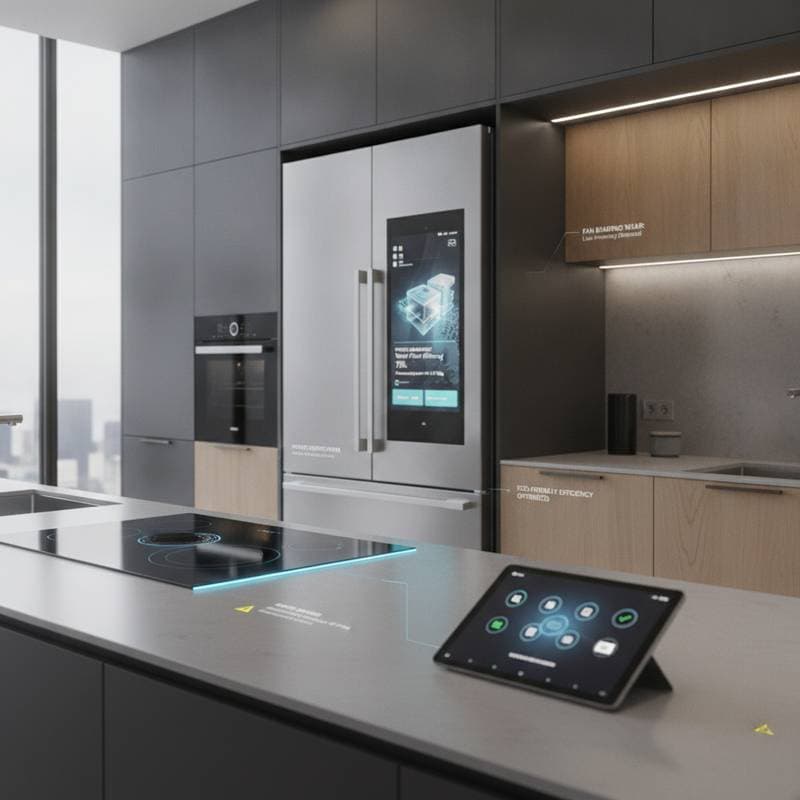
Central to solar smart homes lies an advanced energy management system. This platform tracks usage patterns, forecasts needs, and routes power among solar arrays, storage units, and household devices.
Machine learning algorithms analyze behaviors such as occupancy times, electric vehicle charging schedules, and peak demands for heating or cooling. Based on this analysis, the system prioritizes solar power for immediate use, directs surplus to batteries, and minimizes grid draws during high-cost periods.
Key advantages include:
- Efficiency Gains: Power allocation occurs at optimal times, minimizing waste and expenses.
- Reliability Enhancements: Backup power sustains operations during external failures.
- User Simplicity: Automated processes remove the burden of manual interventions.
Leading providers such as Tesla, Enphase, and SolarEdge offer comprehensive platforms. These integrate generation, storage, and controls, with mobile applications that display real-time energy metrics for informed decision-making.
Advanced Battery Storage: Capturing Solar Power for Later Use
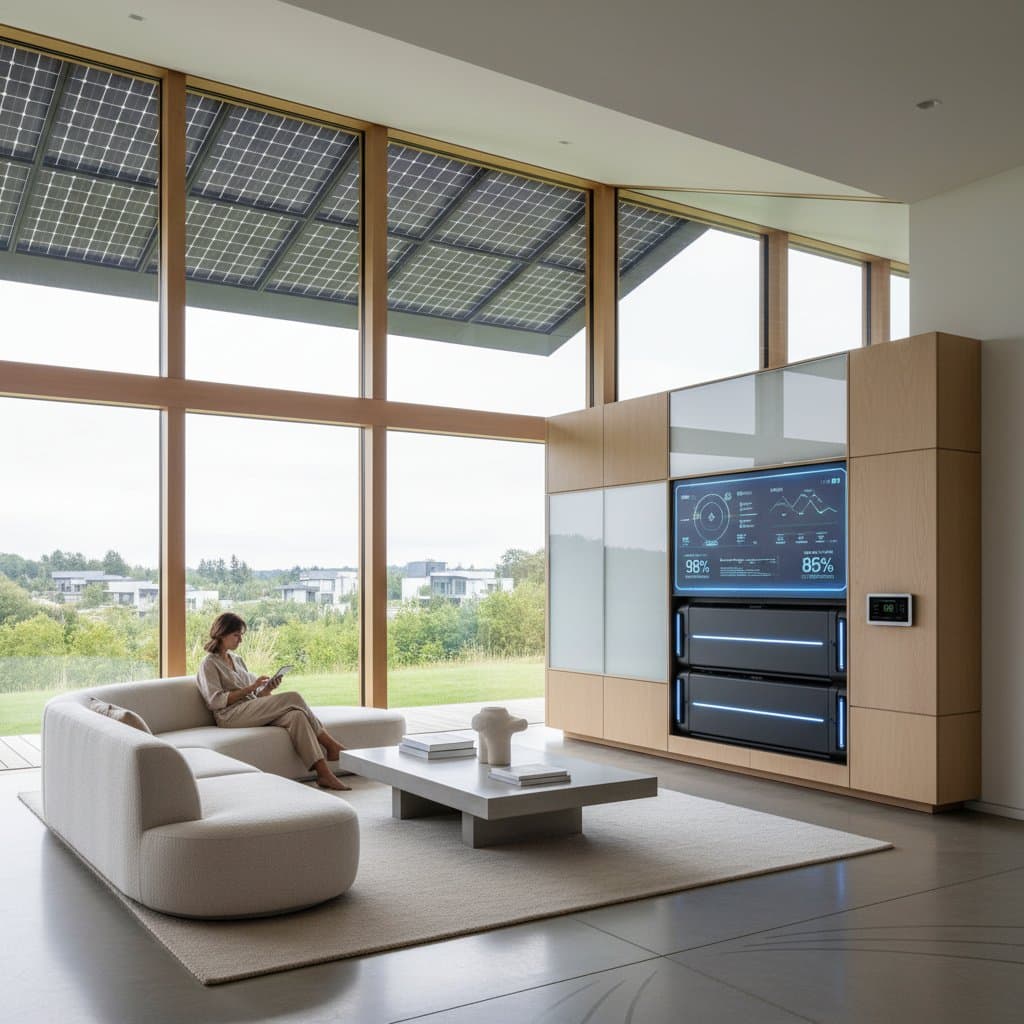
Battery storage transforms intermittent solar energy into a reliable resource. High-capacity systems, often lithium-ion based, store excess daytime production for evening or cloudy-day consumption.
These units respond dynamically to system signals, discharging power when solar input falls short or demand rises. Integration with home automation ensures seamless operation, such as powering essential appliances during peak evening hours.
Benefits extend to scalability and longevity. Modular designs allow expansion as needs grow, while modern batteries retain efficiency over thousands of cycles. Homeowners achieve near-complete off-grid capability, reducing reliance on fossil fuel backups and supporting consistent clean energy access.
Grid Interaction and Virtual Power Networks
True energy independence involves collaboration rather than isolation. Solar smart homes participate in decentralized grids through virtual power networks, akin to microgrids, that link multiple residences equipped with solar and storage.
During high-demand events, these networks dispatch stored energy to balance local loads. Excess production feeds back into the system, easing infrastructure pressures. This bidirectional flow stabilizes the broader grid while providing homeowners with credits or revenue from shared power.
In expanding implementations, such as community solar initiatives, participants benefit from collective resilience. Utilities gain from reduced peak loads, fostering partnerships that enhance overall energy reliability.
Electric Vehicles as Integrated Energy Assets
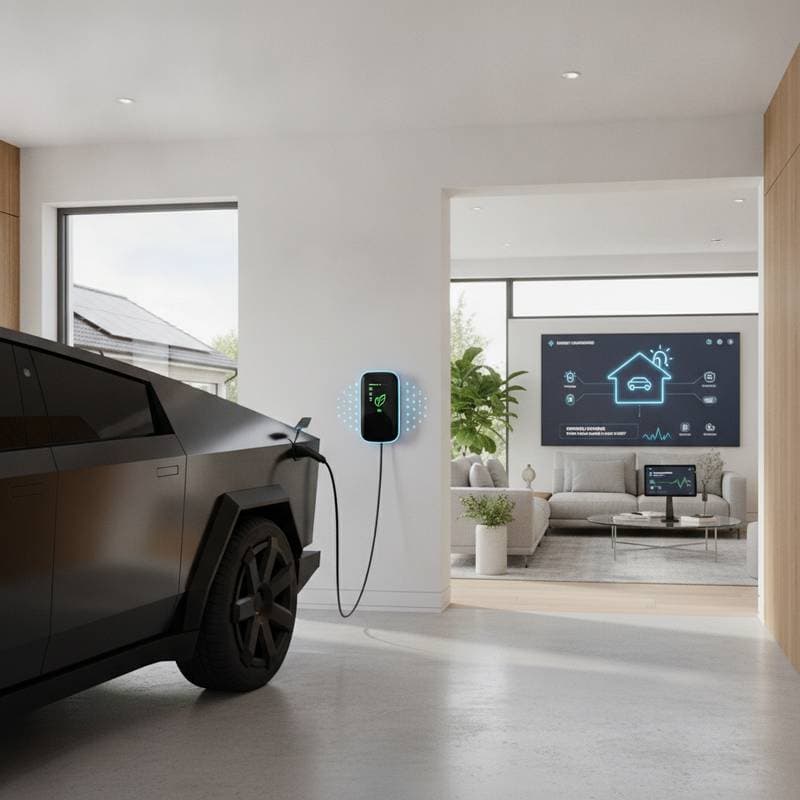
Electric vehicles enhance the solar smart home framework by serving dual roles in mobility and storage. Compatible charging stations draw solar power during daylight, filling vehicle batteries efficiently.
Vehicle-to-home technology enables energy return to the residence during outages or high usage. This bidirectional transfer extends runtime for critical systems, such as lighting and refrigeration, without external support.
Industry collaborations standardize these features, promising plug-and-play simplicity. Homeowners optimize clean energy loops, where vehicle batteries act as distributed storage, amplifying household sustainability.
Addressing Barriers: Costs, Integration, and Usability
Adopting solar smart homes presents hurdles, including initial investments in panels, batteries, and controls. Interoperability issues arise in diverse or legacy setups, complicating unified operation.
Open protocols like Matter resolve these by enabling cross-manufacturer communication. Devices integrate effortlessly, allowing gradual system builds without compatibility risks.
Affordability improves through financing, leases, and incentives. Payback periods shorten to five years or less via bill savings and property value increases. Professional assessments ensure tailored installations that maximize returns.
Broader Impacts: Environmental and Community Benefits
Solar smart homes drive systemic change by curbing fossil fuel dependence and emissions. Each installation eases grid demands, paving the way for renewable dominance.
Socially, accessible technology empowers underserved regions. Remote locations secure stable power, promoting equity in energy access. Communities build resilience against climate disruptions through localized generation.
This shift encourages collective action, where individual choices amplify environmental stewardship and social progress.
Everyday Life in a Solar Smart Home
Residing in a solar smart home integrates technology unobtrusively into routines. Systems handle optimizations autonomously, from load shifting to climate adjustments, freeing occupants for daily pursuits.
Awareness grows as real-time dashboards reveal energy dynamics. Sunny days boost production satisfaction, while usage insights foster mindful habits. This visibility cultivates a deeper environmental connection.
The shift from utility dependence to self-reliance empowers users, redefining energy as a personal, controllable asset.
Steps to Implement Solar Smart Home Solutions
Transitioning to energy independence starts with evaluation. Assess home energy profiles using audits to identify solar potential and storage needs.
Select compatible components from reputable vendors, prioritizing systems with robust warranties. Engage certified installers for site-specific designs that comply with local regulations.
Monitor performance post-installation via apps, adjusting settings for peak efficiency. Explore incentives to offset costs, ensuring a swift path to sustained benefits.