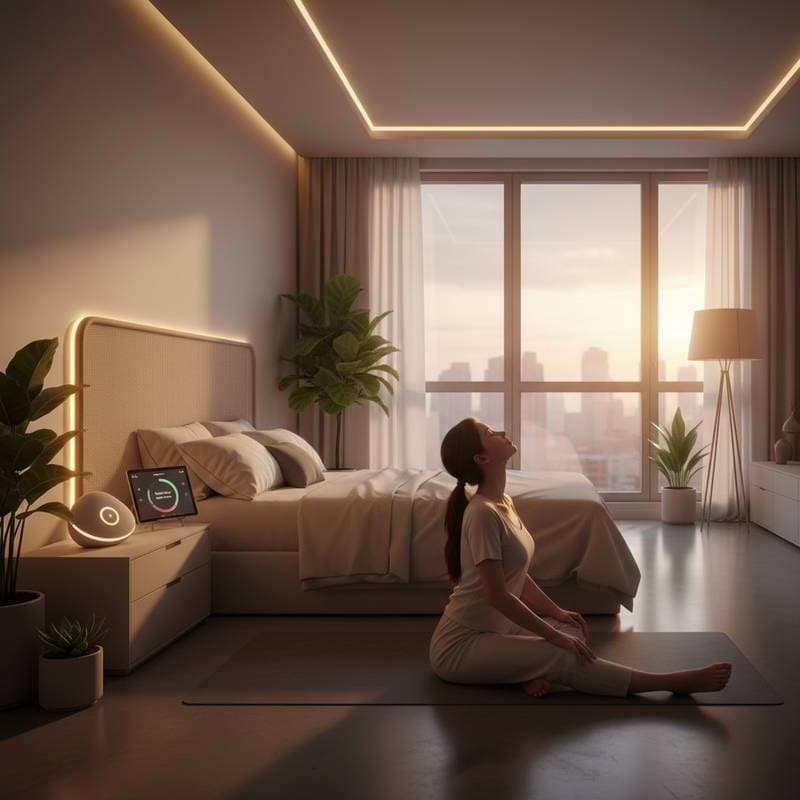
Imagine Waking Up to the Perfect Light
Many people wake up feeling groggy despite a full night of sleep. The alarm sounds, yet the room remains dim and the body resists movement. Others drag through winter afternoons while craving natural sunlight that stays absent. Personalized smart lighting addresses these issues by aligning indoor illumination with human circadian rhythms.
This approach blends technology and wellness principles. It transforms bedrooms, living rooms, and workspaces into environments that support natural energy patterns. The focus rests on adaptive light rather than harsh bulbs or complex devices.
Biological Impact of Light on Mood and Sleep
Light functions as a biological signal that regulates hormone production. Bright cool light in the morning suppresses melatonin and promotes alertness. Warmer tones in the evening encourage relaxation and prepare the body for rest.
Disruptions arise from short winter days, extended indoor time, and constant artificial exposure. These factors can intensify Seasonal Affective Disorder symptoms and insomnia. Smart systems restore a natural cycle by mimicking sunlight patterns automatically.
Mechanisms of Personalized Lighting
Personalized systems combine sensors, schedules, and color temperature adjustments. Lights can brighten gradually in the morning and dim in the evening. Some models measure ambient conditions and respond without manual input.
Vertical light placement improves effectiveness. Fixtures positioned above eye level during active hours deliver stronger circadian cues than low table lamps. Evening use favors diffused, lower sources.
Building a Wellness Lighting Plan
- Define a circadian schedule based on wake times, focus periods, and wind-down routines.
- Select full-spectrum bulbs such as Philips Hue White and Color Ambiance or Wyze Bulb Color for tunable white output.
- Add motion and light sensors through a hub like Aqara Hub M2 to automate transitions.
- Program core scenes for morning energizing, daytime focus, and evening relaxation.
- Schedule gradual brightness changes over fifteen to thirty minutes to replicate sunrise and sunset.
- Incorporate a therapy lamp such as the Carex Day-Light Classic Plus for targeted morning sessions when needed.
Budget, Installation, and Safety
Starter setups with two bulbs and a basic hub begin around one hundred dollars. Full-room expansions range from four hundred to eight hundred dollars. Renters benefit from portable lamps that require no rewiring.
Consult a licensed electrician for hardwired fixtures. Replace incompatible dimmers with models such as the Lutron Caseta to prevent flickering. Follow manufacturer guidelines on brightness levels and avoid excessive exposure after sunset.
Compatibility and Future Expansion
Choose ecosystems that support major voice assistants and open protocols. Philips Hue works with Apple HomeKit, Alexa, and Google Home. Matter-compatible devices simplify integration across brands.
Open protocols allow later mixing of manufacturers without new hubs. This approach maintains flexibility as technology advances.
Daily Scenarios and Long-Term Benefits
Evening light can shift to soft amber tones after dinner to reduce eye strain and promote relaxation. Morning scenes increase brightness gradually before the alarm activates, supporting natural waking. Desk lamps that adjust color temperature help maintain afternoon focus.
Consistent use improves sleep onset, stabilizes mood, and reduces seasonal fatigue. Energy-efficient LEDs further lower electricity costs while providing daily comfort.
Implementation Steps
Identify one high-impact room such as the bedroom or home office. Install initial bulbs, configure basic scenes, and test the setup for one week. Refine timing and intensity until the pattern feels intuitive. This measured start delivers measurable improvements in rest and daytime energy.