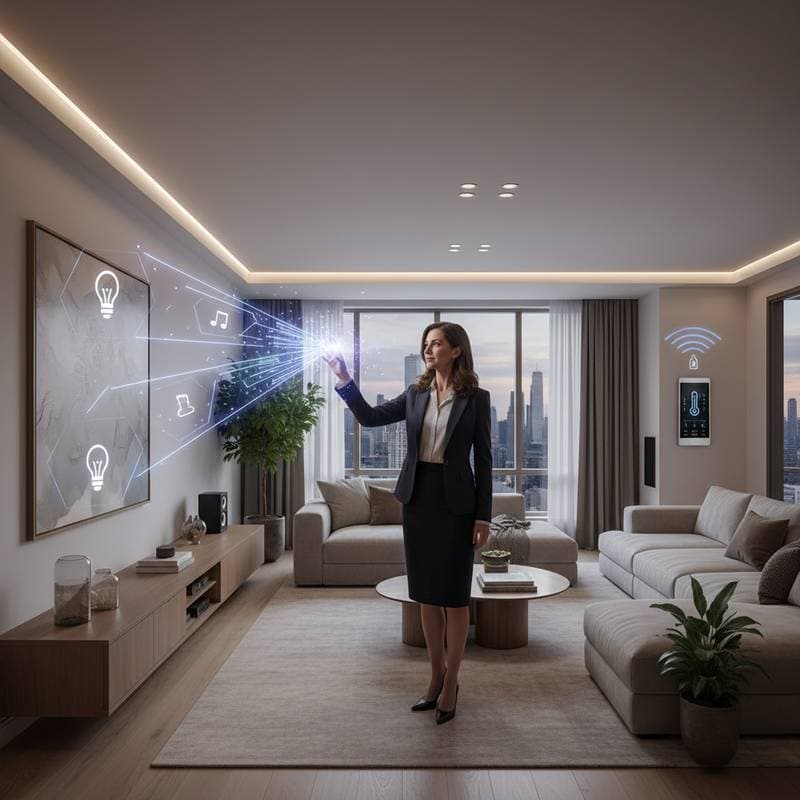
Smart Homes Embrace Gesture Control Over Screens
Smart homes now enable users to control devices through simple hand movements, bypassing the need for screens or voice commands. This gesture recognition technology interprets everyday motions to manage lighting, entertainment, and climate settings. The transition to touchless interactions enhances daily routines by making technology feel more integrated and less intrusive.
Evolution of Touchless Home Automation
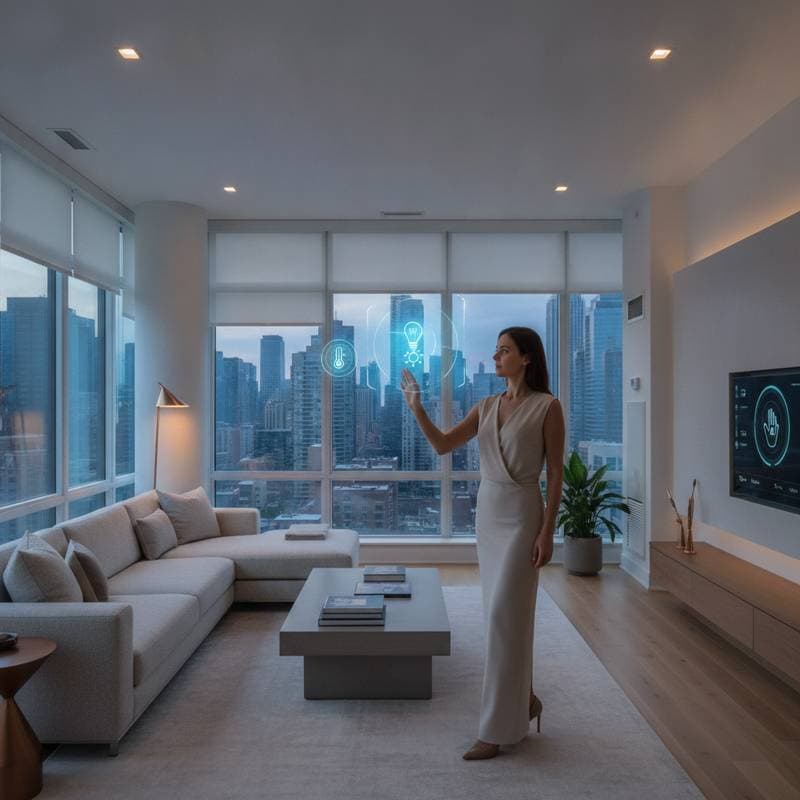
Traditional smart homes rely on screens and voice assistants, which demand active engagement from users. Gesture control eliminates this barrier by allowing commands through natural motions, such as a wrist flick to lower lights or a palm raise to halt music playback. This approach creates a seamless blend of physical actions and digital responses.
Industry experts highlight gesture recognition as a rapidly expanding method of human-computer interaction. It addresses demands for hygienic and fluid interfaces that minimize physical contact. Leading firms, including Sony, Samsung, and Google, integrate radar sensors into consumer products to capture subtle gestures with high accuracy.
Practical Advantages of Gesture Technology
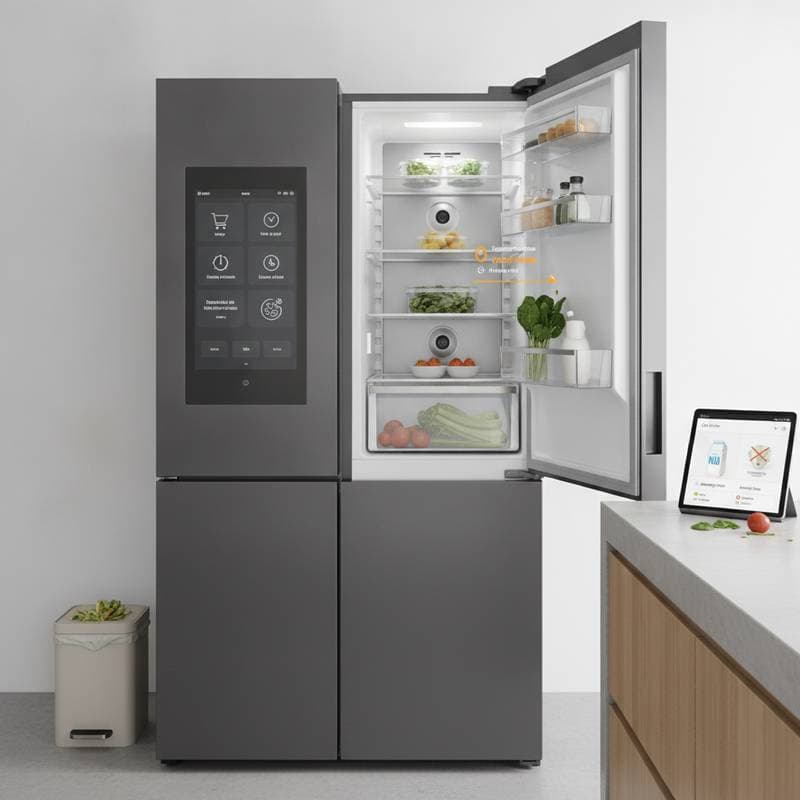
Gesture systems provide solutions for scenarios where touch or voice interactions prove impractical. In a busy kitchen, individuals can adjust oven timers or overhead lights using hand signals while preparing meals. In quiet bedrooms, discreet motions control illumination without disturbing others.
Studies indicate rising consumer preference for contactless controls, fueled by needs for convenience and sanitation. Borrowed from automotive radar applications, this technology enables home devices to detect and respond to user intentions precisely, elevating everyday functionality.
Innovations in Gesture-Enabled Devices
Current products demonstrate the potential of gesture control in real settings. The Google Nest Hub employs radar to monitor user presence and adjust interfaces dynamically. Ultraleap's tracking software, developed for virtual reality, now powers home panels that react to airborne finger gestures.
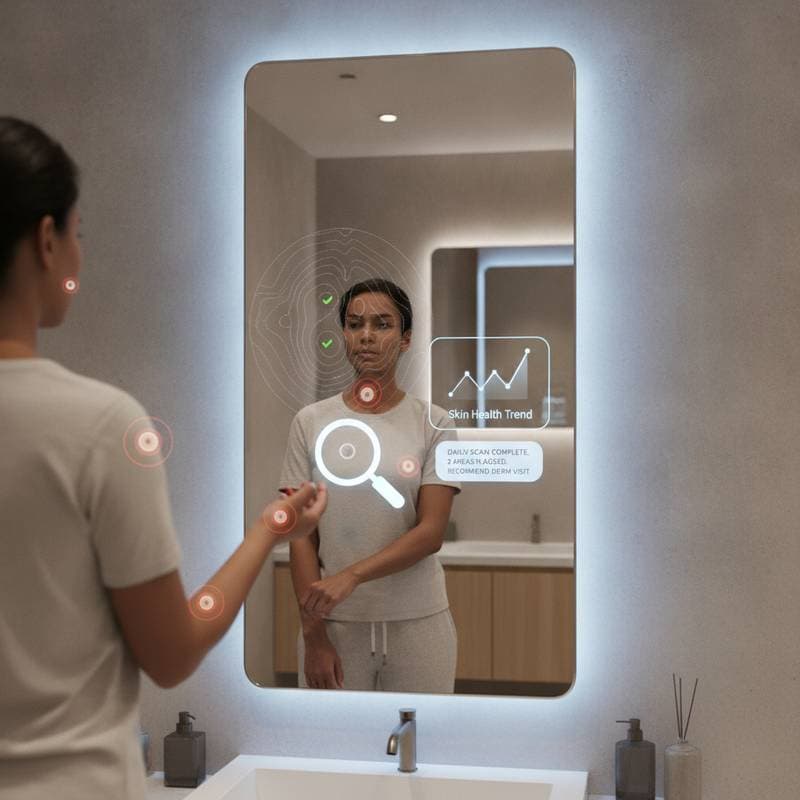
LG showcases televisions that respond to swipes for channel selection or volume changes, eliminating remote controls. These developments suggest broader applications, where walls detect motions to regulate lighting and mirrors interpret signals for music or heating adjustments. Homes thus become dynamic spaces that anticipate needs without direct input.
Hurdles to Widespread Gesture Integration
Despite its appeal, gesture technology faces obstacles in accuracy, cost, and compatibility. Systems require algorithms to differentiate deliberate actions from incidental ones to avoid errors. Users also worry about data privacy from motion-sensing hardware.
Developers counter these concerns with on-device processing, keeping gesture information local and secure. Initiatives like the Matter standard promote device interoperability, facilitating easier incorporation into existing smart home networks.
Everyday Benefits of Gesture Interactions
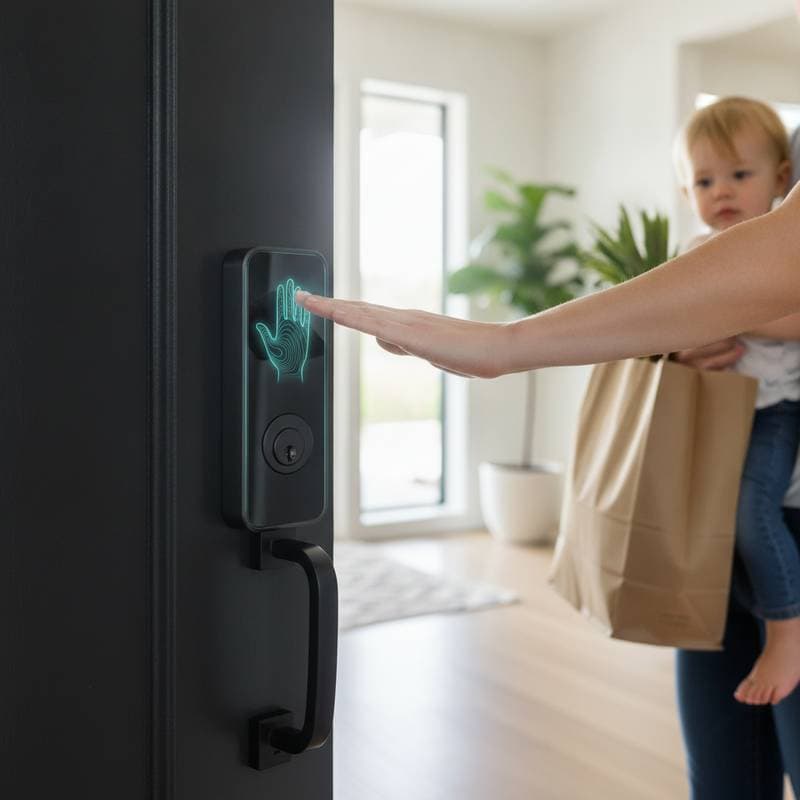
Consider entering the home with full hands and nodding to activate kitchen lights. Or waving from afar to fine-tune the thermostat, or gesturing to dismiss an alarm silently. Such interactions streamline tasks, declutter spaces, and allow technology to operate unobtrusively.
For households with mobility challenges, gestures offer accessible control options, fostering inclusivity. This shift turns routine actions into intuitive processes, aligning home systems closely with personal rhythms.
Future of Adaptive Home Environments
Gesture recognition will complement rather than supplant voice and app controls, offering contextual flexibility. Systems learn user patterns over time, refining responses for personalized experiences. This integration advances spatial computing, where homes sense and adapt to physical presence.
Ordinary areas transform into intelligent zones that enhance comfort and efficiency. Gesture control reimagines interaction, making homes partners in daily life rather than tools requiring effort.