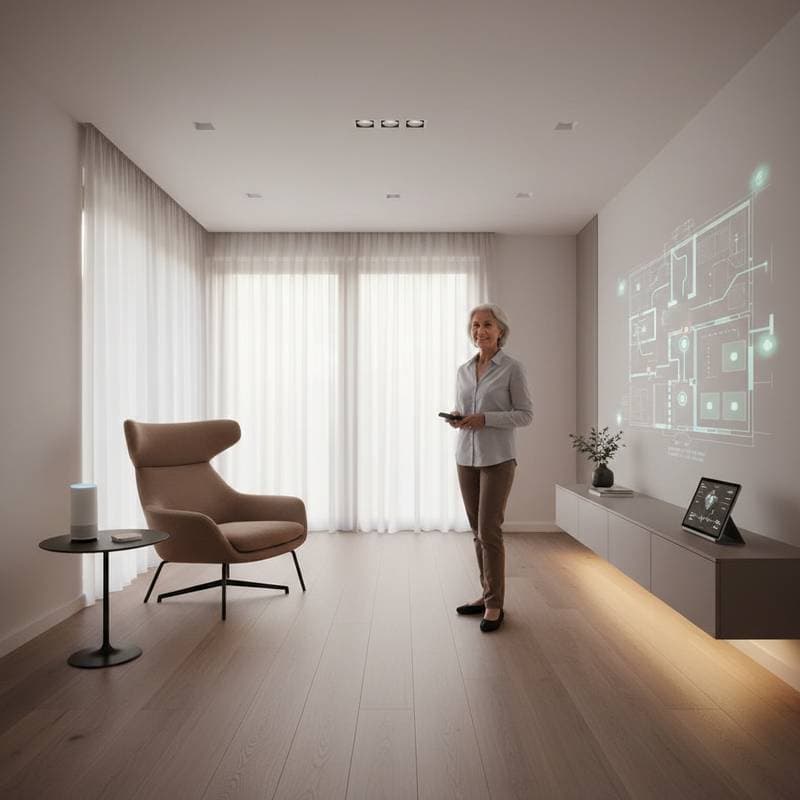
Smart Homes Prevent 90 Percent of Falls for Seniors at Home
Nearly half of older adults want to remain in their homes as they age. Falls remain one of the biggest threats to that independence. Traditional home safety measures like grab bars and non slip rugs help but only go so far. The newest generation of smart home technology reduces fall risk by up to 90 percent through intelligent monitoring, automation, and proactive alerts.
Smart homes adapt to the needs of older residents. Motion sensing floors and voice responsive lighting create safer living spaces that blend comfort with protection.
The Challenge of Falls in Aging in Place
Falls often trigger a loss of confidence and reduced mobility. Many seniors fear falling more than losing their driver license or moving to assisted living. Traditional safety solutions address hazards but not underlying causes such as poor lighting or unnoticed health changes.
Smart technology detects early warning signs and adjusts home conditions automatically. It summons help instantly when needed. This approach creates a proactive layer of safety that feels almost invisible.
Advanced Fall Detection Technologies
Modern sensors use motion tracking and pattern recognition to spot unusual movements. These systems monitor passively and continuously. Many seniors forget to wear panic buttons or cannot reach them after a fall.
Smart floor sensors and radar based motion detectors recognize a fall within seconds. They alert family members or emergency responders automatically. Systems from companies such as Vayyar Care use radar and artificial intelligence to detect body position without cameras.
Automated Lighting Solutions
Poor lighting contributes to many nighttime falls. Smart lighting adapts to movement, time of day, and individual routines. When a senior gets out of bed, low level lights illuminate the path to the bathroom without glare.
Visual clarity declines with age. Automated lighting reduces disorientation and provides consistent illumination exactly when needed. Products from Philips Hue integrate motion sensors with scheduling to create gentle lighting transitions throughout the evening.
Health Pattern Analysis Tools
Falls are often preceded by subtle health changes such as slower walking speed. Motion sensors and pressure mats analyze daily patterns and flag unusual behavior. Detecting changes before a fall allows caregivers to intervene early.
Systems such as SafelyYou use continuous video analysis to identify fall risks. Caregivers can then make targeted adjustments to medication or recommend physical therapy. This predictive approach turns home safety from reactive to preventive.
Voice Activated Controls
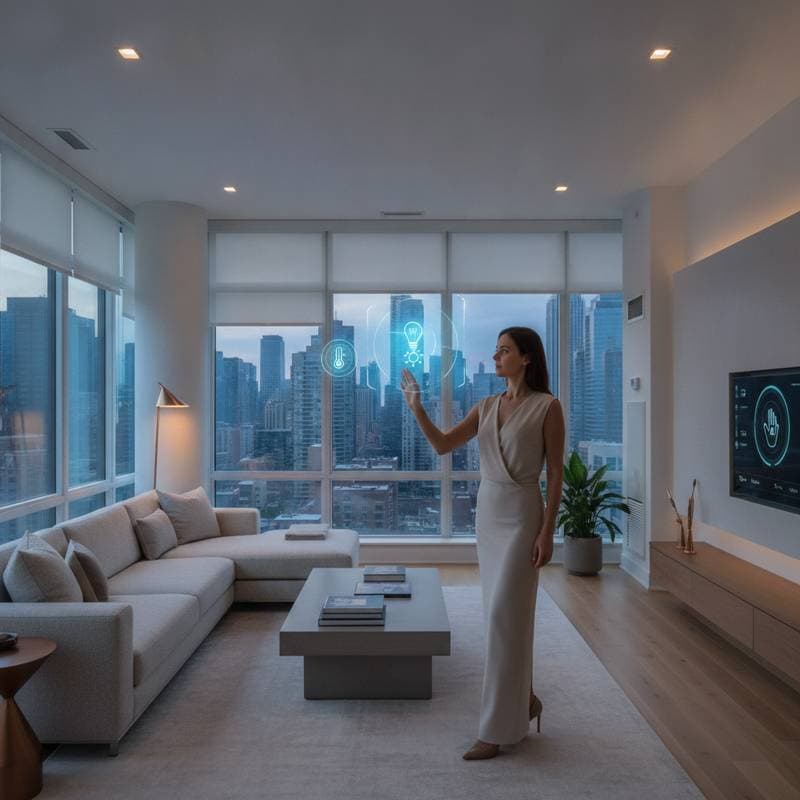
Voice activated systems provide an intuitive alternative for seniors with limited mobility. Users can adjust the thermostat, call for help, or turn on lights without reaching across the room. Amazon Alexa and Google Home integrate with medical alert services.
Hands free control minimizes physical strain. It keeps essential functions accessible even from bed. This feature fosters independence by letting older adults manage their environment without assistance for routine tasks.
Integrated Home Safety Networks
A connected system links lighting, sensors, appliances, and communication devices into one safety network. These ecosystems learn habits and send alerts when behavior deviates from normal patterns. The Matter standard allows different brands to communicate seamlessly.
A fall detected in one room can trigger brighter lights and unlock doors for emergency access. Alerts reach multiple channels within seconds. Unified platforms reduce errors and ensure every part of the home contributes to safety.
Balancing Monitoring With Personal Privacy
Some seniors hesitate to adopt monitoring technology due to privacy concerns. Modern systems address this with non intrusive sensors and encrypted data. Many devices use radar or thermal imaging that tracks movement without revealing personal details.
The goal is empowerment rather than surveillance. Homes watch over residents without invading their space.
Implementing These Technologies for Long Term Independence
Families gain reassurance while seniors retain valued independence. Caregivers receive reliable data that supports better decisions. As adoption grows these systems will become as common as smoke detectors.
Investing in fall prevention technology provides both safety and confidence for aging loved ones.