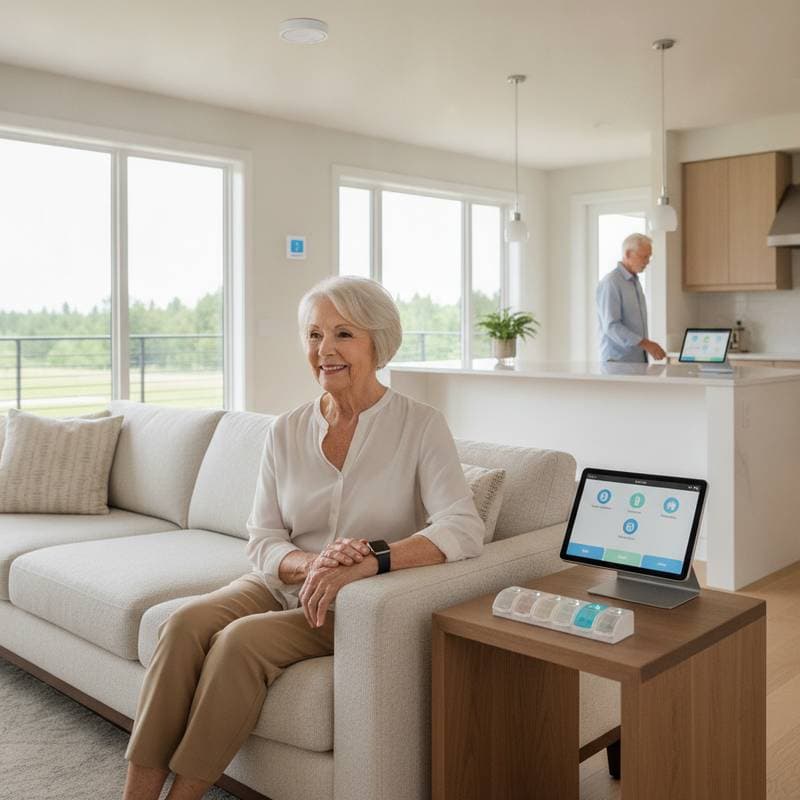
When Home Becomes the Safest Place to Age
Imagine your parents still living in the home they love, surrounded by familiar photos and the garden they planted together. You want them safe, but you also want them independent. Every adult child faces this balancing act. One slip in the bathroom or a missed medication can change everything. Smart home technology is quietly rewriting the story of aging in place.
Recent studies show that connected homes equipped with health and safety sensors reduce elderly hospital visits by nearly half. The result comes from technology that listens, monitors, and reacts in real time to the daily rhythms of life. Sensors, cameras, and voice assistants work together to prevent minor issues from turning into emergencies.
Why Traditional Safety Measures Fall Short
Many families rely on emergency pendants or call buttons. These devices help only if the person remembers to wear them and can press the button after a fall. Older adults often hesitate to use these devices because they do not want to feel dependent. Smart home systems take a different approach. They blend into daily life and work quietly in the background. Motion sensors notice unusual stillness. Smart watches detect sudden movement changes. Connected speakers can summon help using voice commands.
Smart homes are becoming essential for health monitoring, fall detection, and remote caregiving. By combining data from multiple devices, these systems can alert family members or caregivers before a situation becomes critical.
How Smart Homes Reduce Hospital Visits
The reduction in hospital visits results from early detection and real-time communication. Smart homes collect small pieces of information that reveal larger health patterns. A kitchen sensor noticing fewer visits might indicate loss of appetite. A thermostat that logs temperature changes could highlight a resident struggling to adjust the environment. These details help caregivers intervene early.
Smart homes reduce hospitalizations for seniors in three main ways.
- Fall detection and prevention. Motion sensors, wearable trackers, and smart flooring detect sudden movement or inactivity. Systems such as Walabot HOME use radar-based sensing to detect falls without any wearable device. When a fall occurs, the system automatically calls predesignated contacts or emergency services.
- Remote health monitoring. Devices such as the Apple Watch SE or Fitbit Sense 2 monitor heart rate, oxygen levels, and activity trends. When paired with health apps, they send alerts to caregivers about irregularities. These insights often catch issues before they require hospital treatment.
- Medication and routine tracking. Smart pill dispensers such as the Hero Health Dispenser track doses and send reminders if a medication is missed. Combined with smart speakers such as the Amazon Echo Show 8, seniors receive visual and voice prompts that fit naturally into their routine.
The connection among these devices creates a protective network that identifies small deviations in behavior. Early detection means early action.
Building a Smart Health Ecosystem at Home
Think in layers when you start from scratch or upgrade an existing setup. Each layer adds a safety net.
Establish the Core Network
Every smart home begins with a reliable hub or ecosystem. The Google Nest Hub Max and Amazon Echo Hub both serve as central command points. They integrate lighting, cameras, and health devices within one interface. Choose a hub that supports Matter or Thread standards for the widest compatibility. A stable Wi-Fi connection is essential, so consider a mesh system if the home has multiple floors.
Install Smart Sensors Strategically
Place motion sensors in hallways, bathrooms, and near beds. Use door sensors on exterior doors to monitor nighttime wandering, especially for those living with memory challenges. The Aqara Motion and Light Sensor P2 offers reliable coverage at a low cost. The Philips Hue Motion Sensor integrates seamlessly with lighting systems to illuminate pathways at night.
Add Visual and Audio Safety Layers
Smart cameras prove helpful when used responsibly. The Wyze Cam v4 delivers clear video with privacy controls. The Arlo Essential Indoor Camera includes auto-privacy shutters. Premium setups such as the Google Nest Cam IQ Indoor offer facial recognition that can alert you if an unfamiliar person enters the home.
Connect Health Devices and Wearables
Encourage consistent use of wearable trackers. Combine them with connected scales, blood pressure monitors, or glucose sensors that sync data to cloud-based dashboards. Many systems share this data directly with healthcare providers and reduce unnecessary clinic visits.
Integrate Voice Assistance
Voice assistants support seniors who find smartphones cumbersome. Simple commands such as Call my daughter or Turn on the lights maintain independence. The Echo Show 8 and Google Nest Hub Max both include video calling options that make check-ins more personal.
Practical Considerations Before You Begin
Consider these points before installing any smart home system for elderly care.
- Privacy and consent. Discuss monitoring systems openly. Seniors should feel empowered, not surveilled. Choose products with clear privacy settings and local data storage when possible.
- Installation and safety. Some devices plug directly into outlets. Others require electrical wiring. Hire a licensed electrician for any hardwired installation.
- Budget. A starter setup with sensors, a hub, and a camera costs around 400 to 600 dollars. A comprehensive system with wearables, advanced sensors, and health integrations might reach 1500 dollars or more. Subscription fees for cloud storage or monitoring add 10 to 40 dollars per month.
- Maintenance and updates. Schedule regular software updates and battery replacements. Assign a family member or technician to check the system quarterly.
- Professional support. For complex integrations that connect medical devices, consider hiring a certified smart home installer.
The Power of Pattern Recognition
The real value in elderly smart home care lies in the patterns devices reveal. When motion sensors, thermostats, and smart speakers share data, analytics identify subtle changes in behavior. Fewer kitchen visits combined with longer bathroom stays could indicate dehydration or infection. These predictive insights allow doctors and caregivers to act before an emergency strikes.
Link lighting automation with health monitoring. Program smart bulbs to brighten gently as motion sensors detect nighttime activity. This approach reduces fall risk and improves orientation, especially for those with mild cognitive decline.
Encouraging Independence with Smart Design
Technology should never feel intrusive. The best systems blend into the background and support daily life rather than dictate it. Choose devices with intuitive interfaces, large displays, and audible confirmations. A well-designed system builds confidence.
Smart ovens that shut off automatically prevent kitchen accidents. Smart thermostats adjust temperatures automatically and accept voice control. Small touches such as smart plugs with energy monitoring help identify unusual appliance use that might signal confusion or forgetfulness.
Long-Term Benefits for Families and Communities
When seniors stay healthier at home, the entire family benefits. Fewer hospital visits mean lower costs, less stress, and more time spent together. Communities gain because local healthcare systems face less strain. Smart homes create a new model of decentralized care where prevention replaces reaction.
Insurance providers already recognize the value of this technology. Some offer discounts for homes equipped with fall detection or health monitoring systems. These incentives will make smart safety upgrades more accessible over time.
Start Your Setup Today
Transform a loved one home into a safer, smarter space by starting small. Begin with one or two devices that solve the most pressing safety concerns, such as fall detection or medication reminders. Expand the system gradually as comfort and confidence grow.