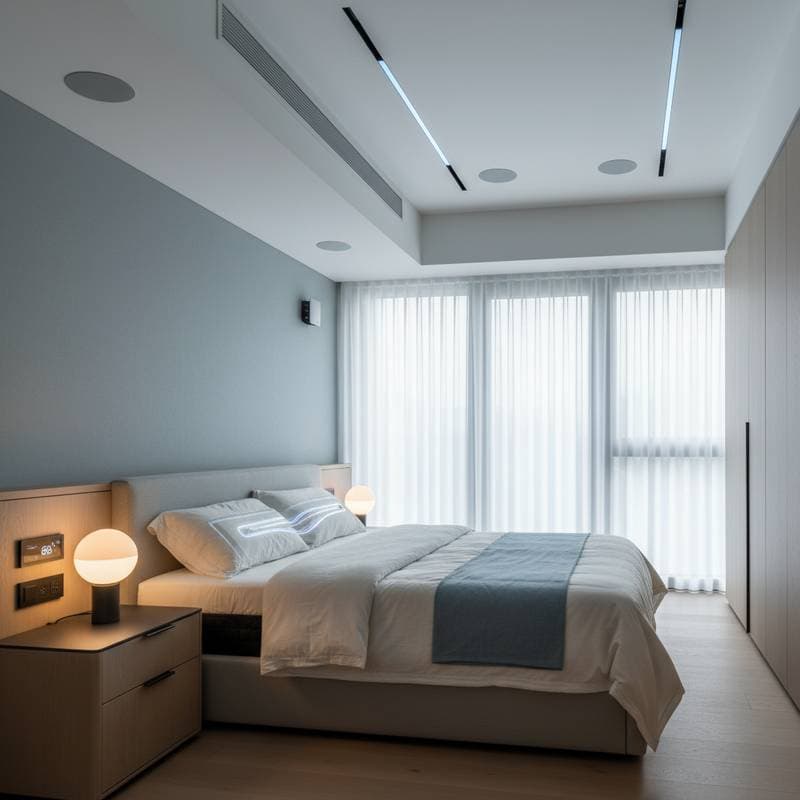
Smart Homes Unlock Better Sleep with New Tech Systems
Nearly half of homeowners report using at least one smart device in their living space. The next frontier for these connected tools lies in the bedroom. Sleep remains one of the most vital aspects of health and productivity. Technology now reimagines rest by adapting to natural rhythms. Lighting matches the body’s circadian cycle. Mattresses track movement and temperature. The modern smart home serves as a sleep coach, comfort designer, and wellness assistant.
Many individuals experience restless nights despite comfortable environments. Screens, stress, and light pollution disrupt the body’s natural cues for rest. Smart home systems address these obstacles through subtle automation and environmental control. The result creates a living space that listens, learns, and guides toward better rest.
1. Circadian Lighting Takes the Lead
The body relies on light cues to maintain healthy sleep cycles. Smart lighting systems mimic these natural patterns. They automatically adjust brightness and color temperature throughout the day. This supports alertness in the morning and relaxation in the evening.
Exposure to bright, cool light at the wrong time confuses the brain’s internal clock. Such disruption makes it harder to fall asleep later. Transitioning to warmer tones at night triggers melatonin production. Melatonin signals the body to wind down.
Lighting brands like Philips Hue and Nanoleaf offer sleep mode schedules. These gradually dim lights and shift color temperature as bedtime approaches. Pair them with motion sensors for low-level guidance during nighttime trips. This prevents jolting awakenings.
2. Climate Control for Comfort and Recovery
Temperature influences sleep quality significantly. Smart thermostats and connected climate systems adjust automatically. They base changes on learned patterns and biometric feedback. Systems cool the room slightly before bedtime. They maintain steady humidity levels. Some coordinate with bedding for fine-tuned comfort.
Research indicates that a modestly cool environment helps the body reach deep sleep faster. Smart thermostats like Nest or Ecobee use motion and occupancy data. They predict sleep times and optimize temperature. Integration with wearable trackers personalizes conditions in real time.
The Eight Sleep Pod mattress employs embedded sensors and active water-based cooling. It regulates temperature on each side of the bed independently. Couples with differing preferences avoid compromise. The system learns optimal conditions over time for improved rest.
3. Soundscapes and Smart Audio Integration
Noise control impacts sleep quality as much as lighting or temperature. Smart audio systems generate personalized sound environments. They block disturbances and promote relaxation. Options include white noise, ocean waves, or adaptive sound masking. These help the brain settle into a calm state.
Continuous background sound masks unpredictable noises that interrupt rest. Smart speakers from Sonos or Amazon feature sleep programs. They launch soothing playlists at bedtime. Sensors detect sleep onset and fade sounds accordingly.
Devices monitor ambient noise levels and adjust volume for consistency. Integration with other smart systems enhances bedtime routines. Audio tools sync with lights and temperature settings. This creates a seamless wind-down process.
4. Sleep Tracking That Actually Helps
Wearable sleep trackers exist for years, but newer systems offer more. They go beyond data collection. Smart beds, under-mattress sensors, and voice-free monitors analyze breathing, heart rate, and movement. They provide actionable insights.
Understanding sleep stages and disturbances proves more valuable than duration alone. Devices like the Withings Sleep Analyzer or Google Nest Hub use radar-based tracking. They highlight patterns leading to restlessness. Insights inform automated home adjustments.
Consider a setup where lighting delays alarms during deep sleep phases. Thermostats gently warm the room as wake-up approaches. This synchronization turns passive tracking into active improvement.
5. Scent and Air Quality as Sleep Enhancers
Air quality influences rest from breathing ease to relaxation. Smart air purifiers and diffusers monitor and adjust conditions. They manage humidity, filter allergens, and release calming scents at optimal times.
Poor air triggers congestion or irritation, disrupting sleep. Connected purifiers detect changes and respond automatically. Aromatherapy diffusers integrate to release lavender or chamomile during pre-sleep routines.
Brands like Molekule and Dyson offer air systems that sync with smart assistants. Users control purification cycles by voice or schedule. The outcome delivers a cleaner, more serene environment for consistent rest.
6. Smart Shades and Natural Wake-Ups
Morning light exposure sets the day’s tone. Smart window shades automate this process. They open gradually to admit natural light. This cues the body to wake gently.
Abrupt alarms increase morning stress levels. A slow, natural transition resets the circadian rhythm and boosts mood. Smart shades from Lutron or IKEA integrate with lighting and alarms. They simulate a sunrise effect that feels organic and energizing.
The same shades close automatically at night. They block streetlights or car beams. This maintains a dark, undisturbed sleep space.
7. Integrated Routines for Seamless Sleep Hygiene
True effectiveness emerges when systems collaborate. Smart home platforms enable sleep routines that coordinate devices. A single command triggers multiple actions. Lights dim. Thermostats adjust. Sounds fade in. Security systems lock doors. All occur via phrase or schedule.
Consistency supports good sleep hygiene. Automatic routines simplify healthy habits. Voice assistants like Alexa, Google Assistant, and Apple HomeKit allow personalization.
A Goodnight command prepares the environment and verifies safety. It checks door locks or smoke detectors. The process requires no effort, freeing the mind from delaying tasks.
8. Data Privacy and Responsible Use
Connected technology raises privacy concerns. Devices monitoring sleep or bedroom environments collect sensitive data. Responsible manufacturers prioritize local processing, encrypted storage, and transparent consent.
Precise adaptation requires data gathering. Consumers demand security assurances. Select devices with clear privacy policies and offline options. These maintain trust alongside personalization benefits.
Experts recommend regular app permission reviews. Platforms supporting manual data deletion enhance control. Transparency ensures long-term comfort with these technologies.
Aligning Home Systems for Restorative Rest
Smart sleep technology promises enhanced living beyond gadgets. When lighting, temperature, sound, and air quality sync with natural rhythms, rest turns restorative.
Future smart homes grow personal. Systems learn habits and anticipate needs. They facilitate effortless rest. A home attuned to sleep evolves from luxury to essential.