Smart Fridges Predicting Your Next Grocery Run
Nearly every household appliance has grown smarter, yet the refrigerator stands out as the most proactive element in the connected home. What began as a basic storage unit for perishables now functions as a comprehensive food management system. This evolution tracks inventory levels, analyzes personal habits, and forecasts restocking requirements to organize daily life more effectively.
From Cooling to Computing
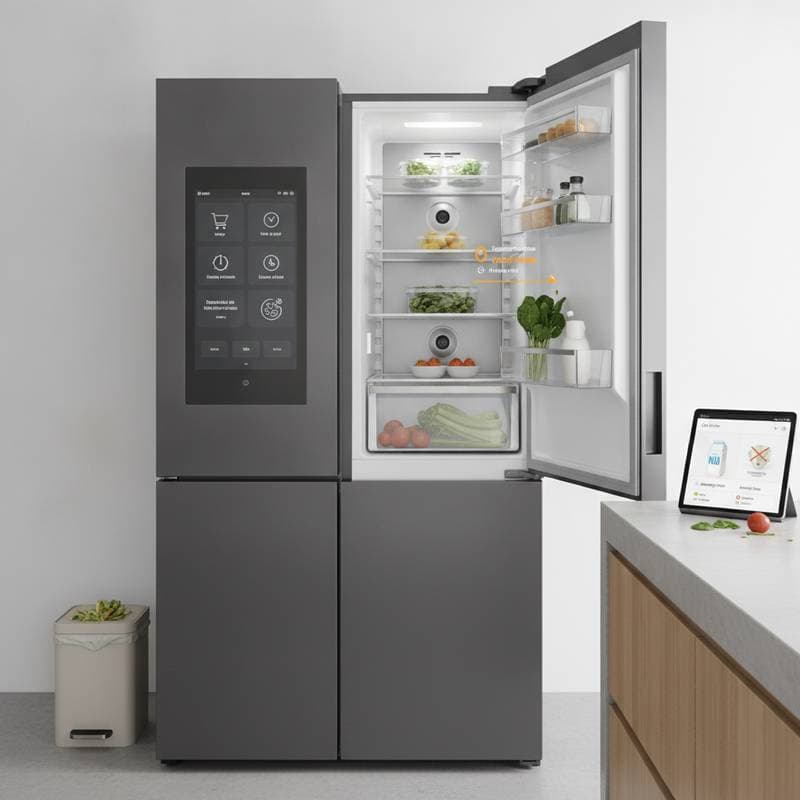
Modern smart refrigerators incorporate internal cameras, weight sensors, and temperature monitors alongside artificial intelligence algorithms. These components scan contents to identify items, assess freshness, and monitor usage rates. The technology extends past basic alerts by adapting to individual routines, such as weekly shopping cycles or preferred meal preparations.
This development aligns with wider advancements in home automation. Similar to how smart thermostats optimize energy use based on occupancy patterns, these refrigerators tailor suggestions to dietary preferences. Users receive personalized shopping lists, nutritional insights, and seamless links to online grocers for automated reorders.
How Predictive Food Management Works
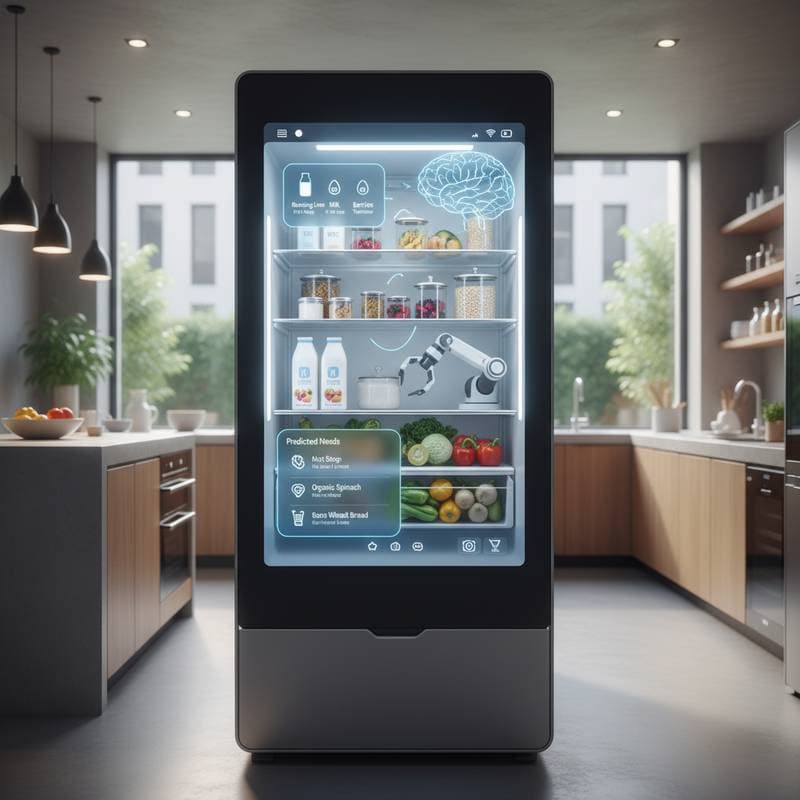
Pattern recognition drives the core functionality. Cameras photograph shelf arrangements at regular intervals, while sensors detect changes in item weight and storage conditions. Machine learning processes this information to catalog products and estimate depletion timelines, for instance, calculating that a family consumes two gallons of milk weekly.
As stock levels approach thresholds, the system issues targeted notifications via mobile apps or integrates with smart home hubs. Advanced models sync with voice-activated devices to confirm orders or adjust lists verbally. Such features streamline meal planning, minimize overbuying, and extend the usability of fresh produce by prompting timely consumption.
Why This Matters for Everyday Life
Predictive capabilities transform routine tasks into efficient processes. Families benefit from automated inventory checks that eliminate last-minute store trips. Health-conscious individuals gain from alerts on expiring items or recommendations for nutrient-rich combinations using existing supplies.
Studies indicate that connected kitchen tools appeal to those seeking time and cost savings. Households discard significant amounts of food annually due to oversight, yet monitoring systems can reduce this by up to 30 percent. By revealing usage trends, the technology fosters disciplined purchasing habits and curbs redundant buys.
Real-World Examples Leading the Way
Leading manufacturers demonstrate practical applications. Samsung's Family Hub refrigerators use high-resolution cameras to recognize over 30 common food types and link directly to retailer apps for one-tap purchases. LG's InstaView series scans interiors with a knock-activated window and generates recipes tailored to visible ingredients.
Whirlpool models connect via Bluetooth to assistants like Alexa, enabling voice-driven list updates and expiration warnings. Emerging startups develop cross-device platforms that aggregate data from fridges, pantries, and fitness trackers to align meals with wellness objectives. Enhanced protocols ensure these tools communicate across brands, broadening accessibility.
The Human Side of Smart Kitchens
Beyond gadgets, these systems enhance user experience by easing mental loads. Returning from work, one might discover recipe options based on available staples, a scheduled delivery for staples, and prompts for perishable items. This integration delivers reliability in fast-paced schedules.
Sustainability gains traction as users track consumption visually through app dashboards. Awareness of waste patterns encourages portion control and eco-friendly decisions. Ultimately, predictive features promote balanced nutrition and reduced environmental impact without overwhelming daily operations.
Barriers and Breakthroughs Ahead
High initial costs deter some buyers, with premium models starting above standard units. Skepticism persists regarding the value of advanced predictions versus basic cooling. Manufacturers counter by offering modular upgrades for existing appliances and subscription-based software enhancements.
Data privacy demands robust safeguards, including on-device processing and user-defined sharing options. Future iterations prioritize open standards for multi-vendor compatibility, lowering entry barriers. As production scales, prices will align with conventional refrigerators, embedding intelligence as standard.
Living with Predictive Intelligence
Start by reviewing your appliance's app for hidden features like basic inventory logs. When upgrading, evaluate integration with existing smart devices to maximize utility. Focus selections on models that match your household size and dietary needs for optimal performance.
Moving Toward a Predictive Future
These refrigerators embody intuitive home design by merging analytics with practical support. Declining prices and refined algorithms will normalize such tools, akin to widespread adoption of voice controls. Embrace this progression to cultivate kitchens that anticipate needs and elevate quality of life.