Smart Fridges Now Predict and Order Your Groceries
Nearly half of connected homeowners now rely on some form of smart kitchen technology. The refrigerator stands out as the central hub in this ecosystem. Once a basic storage unit, the modern smart fridge tracks inventory, suggests recipes, and places grocery orders automatically.
The Rise of the Intelligent Refrigerator
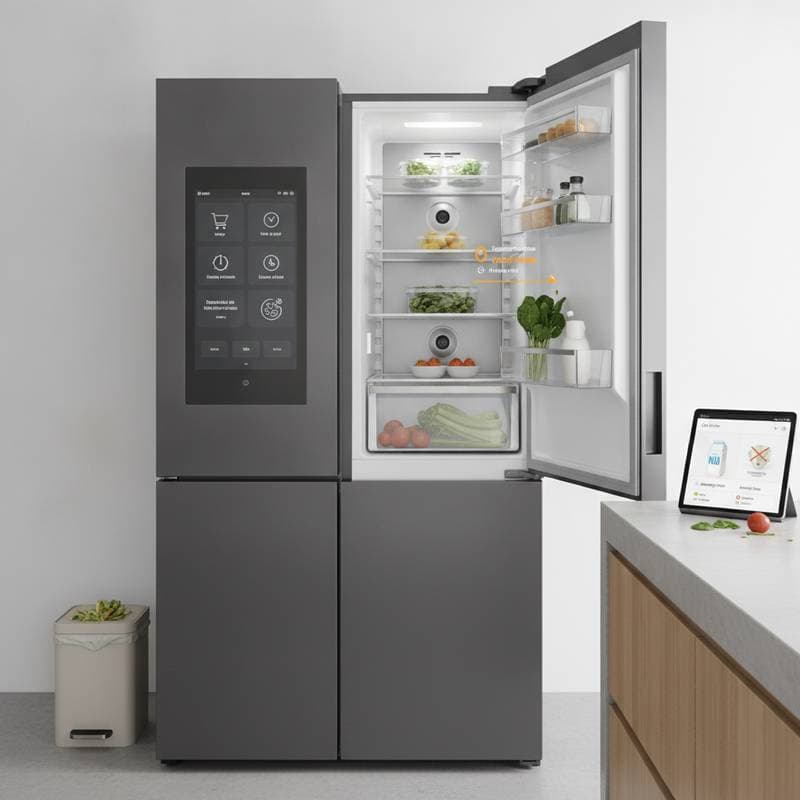
Smart fridges incorporate cameras, weight sensors, barcode scanners, and machine learning to monitor contents. These tools identify items, track storage duration, and determine restocking needs. Adoption rates for connected kitchen appliances continue to climb, led by refrigerators that reduce waste and minimize errands.
Users can view fridge contents through a mobile app during shopping trips. Advanced models eliminate manual checks by handling orders directly. This capability marks the core of AI-driven grocery auto-ordering.
How AI Grocery Auto-Ordering Works
The system begins with data collection on usage frequency and patterns. When supplies drop below a threshold, the fridge generates a shopping list and forwards it to partnered delivery services. Machine learning refines predictions by noting recent purchases and adjusting future orders accordingly.
Image recognition confirms item identities while integration with online platforms completes transactions. Households gain consistent stock levels without last-minute shortages. The process cuts spoilage through precise timing and quantity control.
Benefits for Daily Household Management
Auto-ordering removes the frustration of empty shelves at mealtime. Families maintain steady supplies of essentials such as eggs, dairy, and produce. Additional features track expiration dates and propose recipes that use items nearing their limit.
Energy management forms another advantage. The fridge modulates cooling cycles based on door openings and load levels to lower electricity use. Combined with waste reduction, these functions support both cost savings and environmental goals.
Current Market Implementations
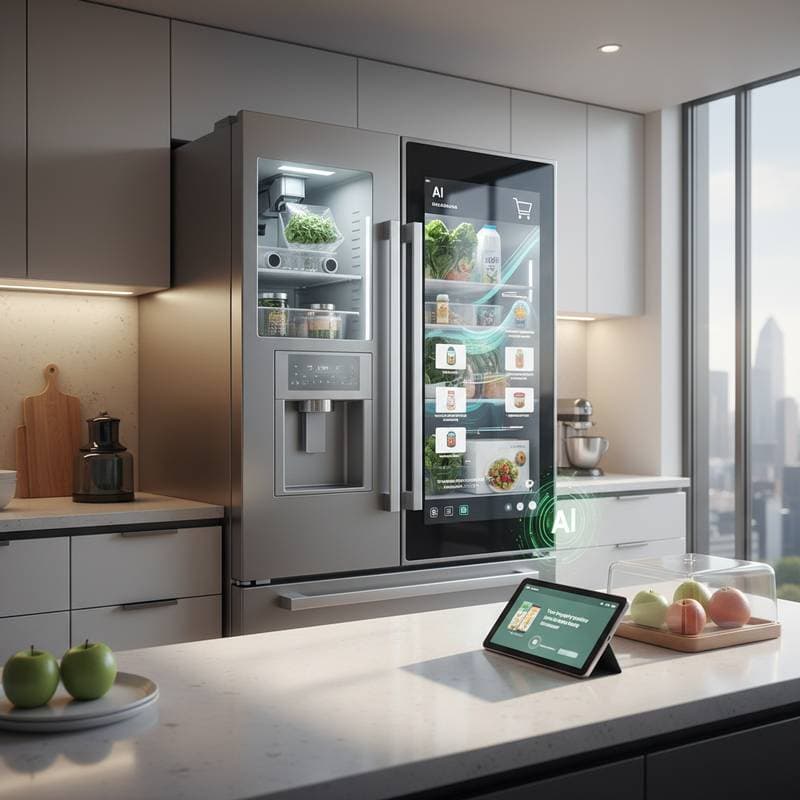
Leading manufacturers now link refrigerators to grocery delivery applications. Built-in cameras scan shelves and initiate reorders when products run low. Other models include AI assistants that learn meal preferences and maintain ingredients for recurring dishes like weekend pasta.
These partnerships improve supply chain accuracy for retailers as well. Data shared between appliances and stores enables better demand forecasting and fewer delivery inefficiencies.
Privacy Protections and User Controls
Data collection raises valid questions about habit tracking. Developers respond with clear policies and options for on-device processing. Most systems require explicit approval before any order ships, and users can set automation levels from full autonomy to basic alerts.
Such controls foster confidence in the technology. Households adopt the features more readily when they retain oversight of information handling.
Integration Across Smart Home Systems
Effective auto-ordering depends on connections among multiple devices. A fridge can share ingredient data with an oven to generate recipe suggestions. Voice assistants announce lists or confirm deliveries while standards like Matter simplify cross-brand communication.
Retailers benefit from this network through improved logistics planning. The fridge becomes one node in a larger flow of goods from supplier to home.
Remaining Adoption Challenges
Higher purchase prices still limit access for many buyers. Connectivity issues arise in regions with unstable internet service. Manufacturers counter these problems by adding local processing that sustains core functions during outages.
Some individuals prefer manual shopping for the selection process it provides. Flexible settings accommodate both automated and hands-on approaches.
Selecting Features That Match Your Routine
Prospective buyers should identify the automation depth that suits their habits. Basic models supply inventory lists and reminders. Full systems connect directly to delivery services and adjust to dietary goals.
Review partner retailers and existing smart home compatibility before purchase. Privacy options deserve close attention to match personal preferences for data management.
Anticipating the Next Phase of Kitchen Technology
The kitchen evolves from storage space into coordination center. AI handles routine restocking so residents focus on cooking and shared meals. Future models will align orders with nutrition targets drawn from wearable devices.
As accuracy improves, auto-ordering becomes a standard expectation rather than an optional upgrade. Households gain reliable support that adapts to changing schedules and tastes.