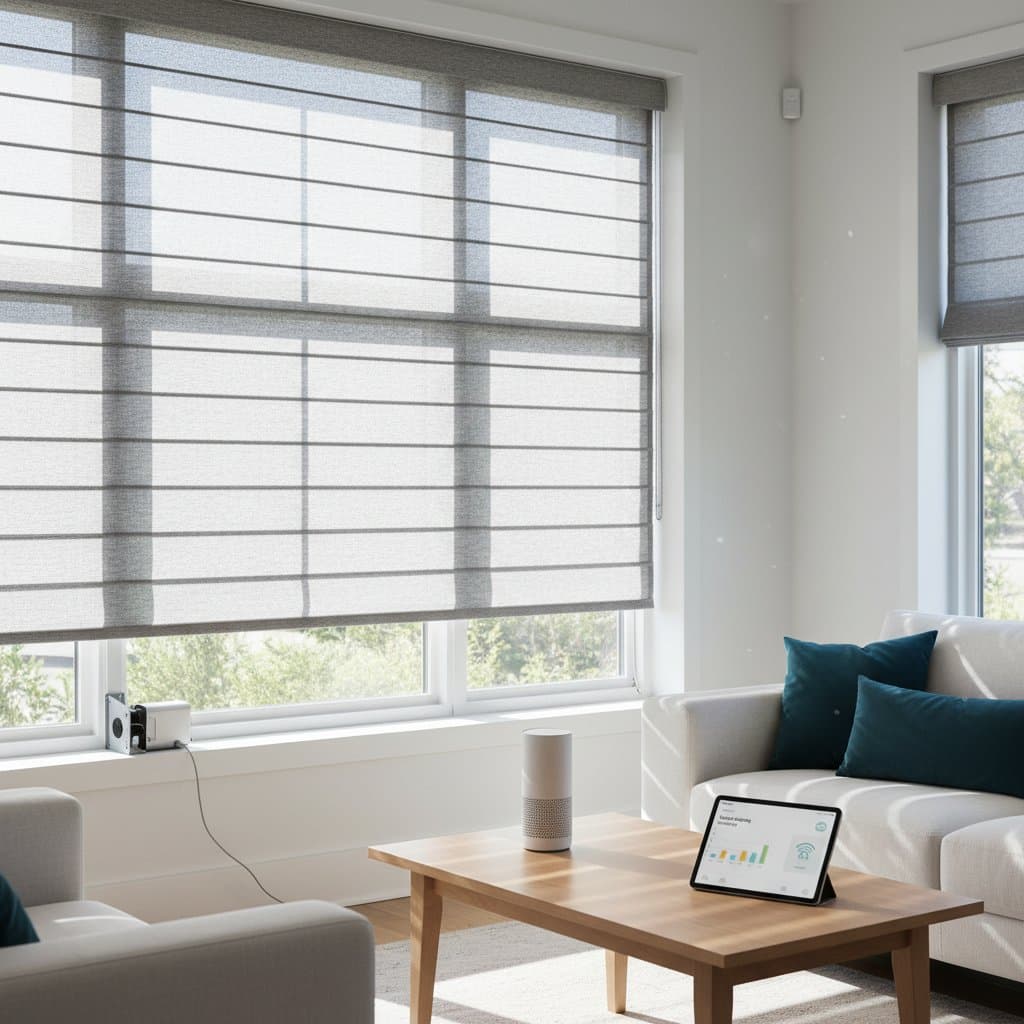
Smart Comfort on a Budget: The Rise of Affordable Smart Blinds
Imagine waking up to gentle daylight filtering into your room without moving a finger. Or closing every shade in the house with one voice command before heading out. These moments make smart blinds feel like a luxury upgrade. Yet many homeowners have viewed motorized window coverings as out of reach. The good news is that spending hundreds of dollars per window is no longer necessary. A new wave of budget smart blinds under fifty dollars brings automation, energy savings, and privacy to nearly any home.
Why Smart Blinds Are Gaining Ground
Smart blinds once appeared mainly in high end showrooms or custom installations. They impressed viewers, yet price tags remained high. Many models required proprietary hubs or professional installation that pushed costs beyond average homeowner budgets.
Standards for smart homes have matured and competition has increased. Entry level blinds now deliver strong capability. Homeowners can purchase retrofit kits or full blinds that connect to Wi Fi or Bluetooth. These options integrate with Alexa, Google Home, or Apple Home at a fraction of former costs. The devices combine comfort, convenience, and energy efficiency.
Schedules can adjust blinds automatically with the sun. Rooms stay cooler in summer and capture natural warmth in winter. The technology helps living spaces operate with minimal effort.
The New Budget Landscape
Several brands now offer products that balance affordability and functionality. Under fifty dollars shoppers can find retrofit motors that attach to existing roller shades and complete smart blinds ready to install.
Three examples illustrate the range of current options.
-
Budget Option: Yoolax Smart Roller Shade Motor Kit ($39). This kit converts existing roller shades into smart blinds. It fits most standard tubes and connects via Bluetooth or Zigbee. The motor operates quietly on a rechargeable battery that lasts several months per charge. It pairs with Alexa or Google Home through a hub for voice or scheduled control.
-
Mid Range Option: SwitchBot Blind Tilt ($69). This model often appears on sale within budget range. It clips onto an existing tilt wand and automates standard blinds without replacement. The app enables precise tilt adjustments and integrates with major ecosystems through the SwitchBot Hub Mini. A solar panel accessory can keep the unit charged without battery changes.
-
Premium Option: IKEA Fyrtur Smart Shades ($129). These shades provide an accessible way to automate an entire room. They connect to the IKEA Dirigera hub and support voice and app control. The motor runs nearly silently and the included remote suits guests who prefer not to use apps.
How to Choose the Right Smart Blind Setup
Consider how shades are used before purchase. Goals such as blocking light in a bedroom or managing heat in a living room will determine which features matter most.
Decide between retrofit and replacement. Retrofit kits suit situations where existing blinds are retained and automation is added at low cost. Full smart blinds work better when current shades are old or incompatible. They often include integrated motors and remotes for a cleaner appearance.
Check compatibility. Not all budget blinds connect directly to Wi Fi. Some rely on Bluetooth that limits remote access. Hub integration is required for control from outside the home or schedules through voice assistants.
Consider power options. Many low cost models use rechargeable batteries. Units that support solar charging accessories extend battery life and reduce maintenance. In rooms with multiple windows this approach saves time.
Measure carefully. Smart blinds perform only as well as their fit. Inside and outside mount widths require precise measurement. Return policies vary and custom sizes may not be available at entry level prices.
Installation and Setup
Ease of installation contributes to rising popularity. Most retrofit kits need only a screwdriver and about fifteen minutes per window. Full blinds may require slightly more time yet remain straightforward.
A typical installation includes mounting brackets or motor housing, attaching the motor or blind tube, pairing the device with a smartphone or hub, and setting limits for open and close positions.
Label multiple blinds in the app immediately after pairing. This step prevents confusion when group schedules are created later.
Practical Considerations
Budget smart blinds deliver strong performance yet involve trade offs. Battery life varies with window size and usage. Expect three to six months per charge on most models. Budget options may produce slightly more motor noise or slower response than premium systems.
Plan the budget. Outfitting an entire room may exceed fifty dollars when multiple blinds or hubs are needed. Begin with one window to evaluate performance.
Address safety. Hire a licensed electrician if wiring is required. Most models under fifty dollars are battery powered and avoid this step.
Protect privacy and security. Wi Fi connected blinds should use encrypted communication. Select brands that issue firmware updates regularly.
Match integration. Products that work within an existing ecosystem of lights or thermostats allow control through a single app.
Energy Savings and Comfort Gains
Smart blinds influence home energy use. Automated opening and closing reduces heating and cooling costs. Closing blinds during peak sunlight can lower indoor temperatures by several degrees. Opening them during winter daylight captures natural warmth.
Affordable models contribute when paired with smart sensors. Temperature or light sensors can trigger routines through Alexa or Home Assistant. Rules such as closing blinds when room temperature exceeds seventy eight degrees become simple to create.
DIY Smart Shade Projects
Tech savvy homeowners can pursue further customization. Inexpensive hardware combined with open source software such as Home Assistant or Zigbee2MQTT allows precise control. Motor kits from Moes or Zemismart cost less than forty dollars. A repurposed USB power bank serves as a discreet backup power source during extended cloudy periods for solar charged units.
Long Term Value and Maintenance
Reliability matters even with lower priced products. Choose blinds that offer replaceable batteries or accessible service parts. Firmware updates maintain compatibility with evolving standards. Starting with hub compatible budget models supports a smoother upgrade path later.
Maintenance is straightforward. Wipe the casing with a soft cloth and avoid spraying cleaners near motor components. Recharge batteries fully when the app indicates low power.
Getting Started with Smart Blinds
Smart blinds now deliver accessible comfort rather than exclusive luxury. Options exist for better sleep, improved energy efficiency, or hands free sunlight management. Begin with a single window, evaluate results in the specific space, and expand as needed.