Understanding the Body Clock and Natural Light
The human body operates on a circadian rhythm, an internal clock that regulates sleep, wakefulness, and various physiological processes. This rhythm aligns closely with the natural cycle of daylight and darkness. Exposure to morning light signals the brain to suppress melatonin production, promoting alertness and setting the tone for the day.
Disruptions to this rhythm, such as limited sunlight in winter months, can lead to seasonal affective disorder (SAD), characterized by low mood, fatigue, and sleep disturbances. Smart blinds address these issues by automating light exposure to mimic natural patterns, fostering a healthier internal environment.
How Smart Blinds Integrate with Circadian Rhythms
Smart blinds connect to home automation systems or smartphone apps, allowing users to program them based on sunrise and sunset times. Sensors detect ambient light levels and adjust blind positions accordingly, gradually opening in the morning to allow soft light entry.
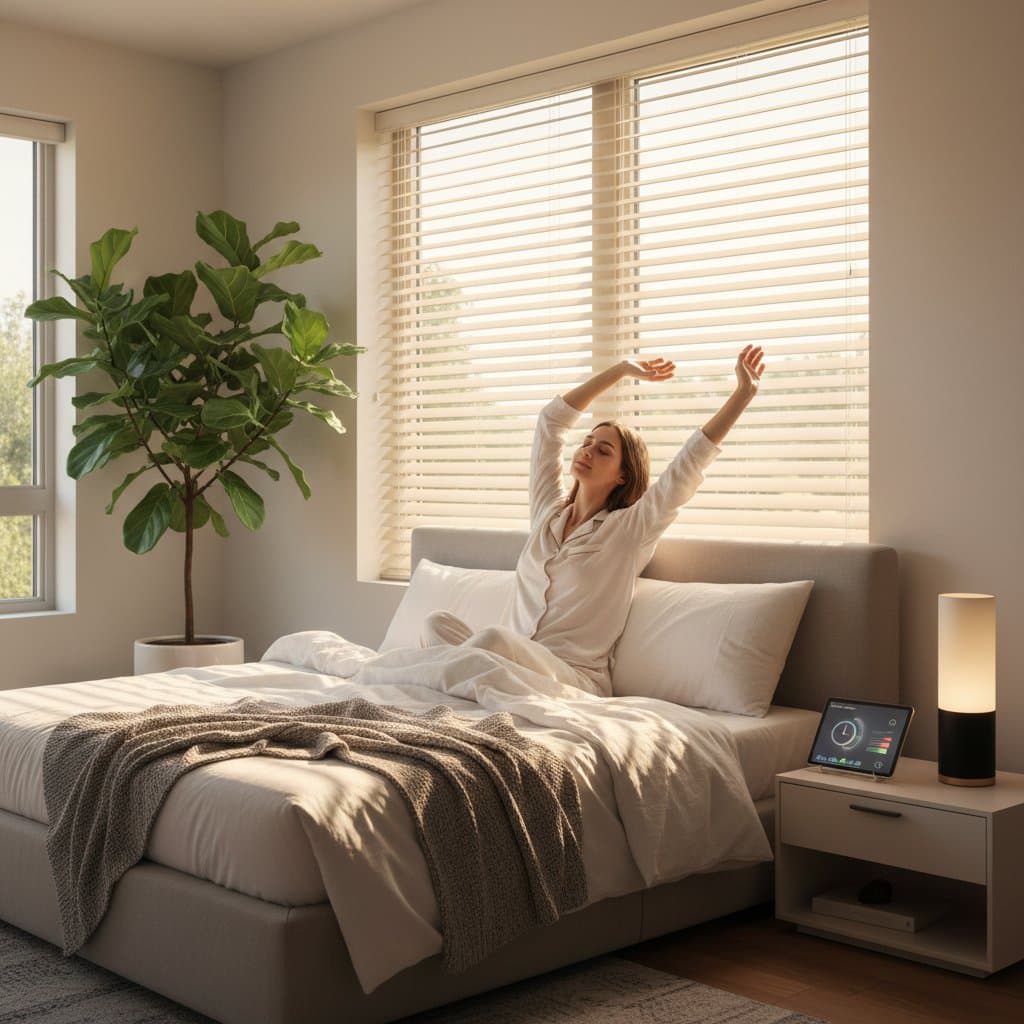
These devices often incorporate geolocation features to track local solar patterns, ensuring precise timing. For instance, blinds can begin to rise at dawn, providing a gentle wake-up light that eases the transition from sleep to wakefulness without abrupt alarms.
Integration with voice assistants like Alexa or Google Home enables hands-free control, while compatibility with sleep trackers offers data-driven adjustments to optimize light exposure based on individual sleep data.
Benefits for Mood, Sleep, and Overall Wellness
Consistent morning light exposure through smart blinds enhances serotonin production, a neurotransmitter linked to positive mood regulation. Individuals experiencing seasonal depression report improved emotional stability as the blinds counteract reduced daylight hours.
Sleep quality improves as the blinds help establish a clear distinction between day and night. Evening automation closes them to block artificial light, supporting melatonin release and deeper rest. Studies indicate that such routines can reduce insomnia symptoms by up to 30 percent.
Beyond mental health, these systems boost energy levels and productivity. Natural light entering workspaces reduces eye strain and enhances focus, making smart blinds ideal for home offices or living areas.
Addressing Seasonal Affective Disorder
Seasonal affective disorder affects millions during shorter days, leading to symptoms like irritability and carbohydrate cravings. Smart blinds simulate extended daylight by opening fully during peak sun hours, providing therapeutic light doses.
Users can set custom profiles for different seasons, ensuring year-round rhythm support. This proactive approach minimizes reliance on supplemental light therapy devices, offering a seamless integration into daily life.
Types of Smart Blinds Available
A range of smart blind options caters to various budgets and preferences. Motorized roller shades provide simple up-and-down operation, ideal for modern minimalist designs. Cellular shades offer insulation benefits, trapping air to maintain comfortable indoor temperatures while automating light control.
Premium systems, such as those from brands like Somfy or Lutron, include advanced features like UV protection fabrics and quiet motors. Budget-friendly alternatives from IKEA or Wyze start under $100 per window, with app-based controls that rival higher-end models.
For larger homes, whole-home systems synchronize multiple blinds, creating uniform light management across rooms. Customizable fabrics range from sheer for diffused light to blackout for complete darkness, accommodating diverse needs.
Installation and Setup Steps
-
Assess your windows: Measure dimensions accurately and choose blinds that fit existing frames or require minimal modifications.
-
Select compatible hardware: Ensure the blinds support your preferred smart ecosystem, such as Zigbee or Wi-Fi, for reliable connectivity.
-
Mount the blinds: Follow manufacturer instructions to install brackets securely, typically a process taking 15-30 minutes per window.
-
Connect to the app: Pair the device via Bluetooth or Wi-Fi, then input your location for automatic sunrise scheduling.
-
Test and calibrate: Adjust opening angles and speeds to suit your preferences, simulating a full day cycle to verify performance.
-
Integrate with other devices: Link to smart lights or thermostats for a cohesive home automation experience.
Professional installation services are available for complex setups, ensuring optimal functionality from the start.
Practical Tips for Maximizing Effectiveness
Position blinds to capture direct morning sunlight, ideally facing east. Combine with light-colored walls to amplify natural illumination throughout the space.
Monitor usage through app analytics to refine schedules, adapting to lifestyle changes like shift work. Regular maintenance, such as dusting fabrics and updating firmware, preserves performance and longevity.
For families, set child-safe modes to prevent accidental operation, enhancing usability in multi-person households.
Creating Balanced Living Spaces
Smart blinds transform ordinary rooms into wellness-focused environments by harmonizing technology with nature's cues. They promote sustained energy, better rest, and emotional resilience, particularly during challenging seasons.
Investing in these systems yields long-term benefits, from reduced energy bills through efficient light management to enhanced daily well-being. Embrace this innovation to align your home with your body's natural needs, fostering a brighter routine.