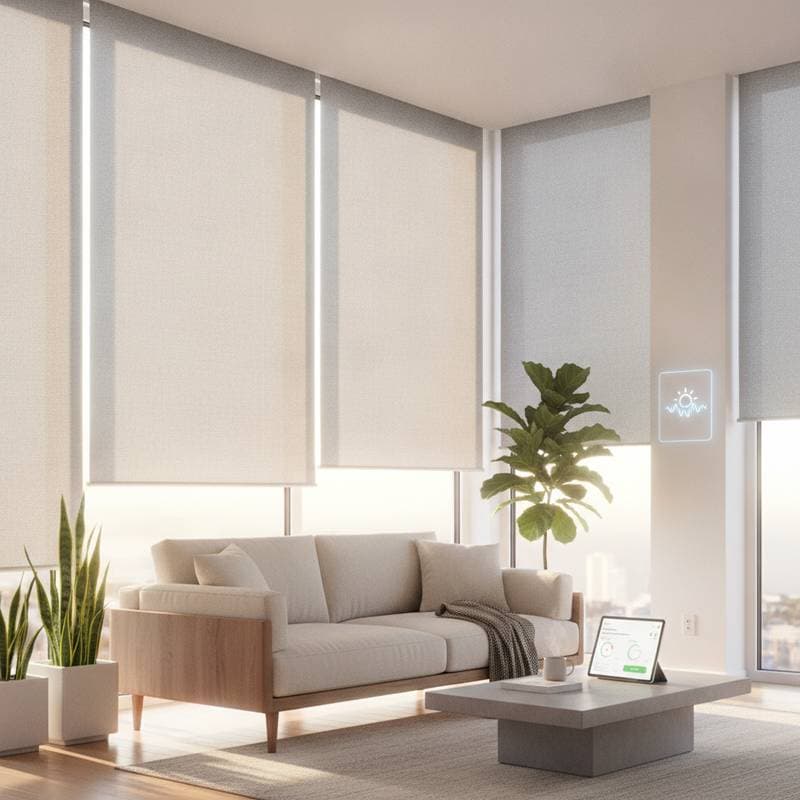
Smart Blinds Sync Light to Ease Seasonal Affective Disorder
For many people, shorter days and dimmer mornings bring a noticeable dip in mood and energy. Seasonal Affective Disorder, often called SAD, affects thousands who find themselves sluggish or down during darker months. Technology companies now turn to a subtle yet powerful solution that begins with light itself. Smart blinds, once seen as a luxury for convenience, evolve into wellness tools that synchronize with natural light patterns to support mental health and regulate biological clocks.
The Connection Between Light and Mood
Human well-being ties deeply to light. Bodies follow a natural circadian rhythm, a roughly 24-hour cycle that influences sleep, alertness, and hormone production. When daylight exposure drops, the body can produce too much melatonin, which leads to fatigue and lowered mood. Researchers have long recommended bright light therapy as a treatment for SAD. Consistent exposure to natural light remains the most effective and accessible option.
Smart blinds enter the scene here. They automate how and when sunlight enters a home. These systems create lighting patterns that mirror the natural rise and fall of daylight. The result includes a more stable internal clock, improved sleep quality, and a gentler emotional balance throughout the day.
Understanding Smart Blinds
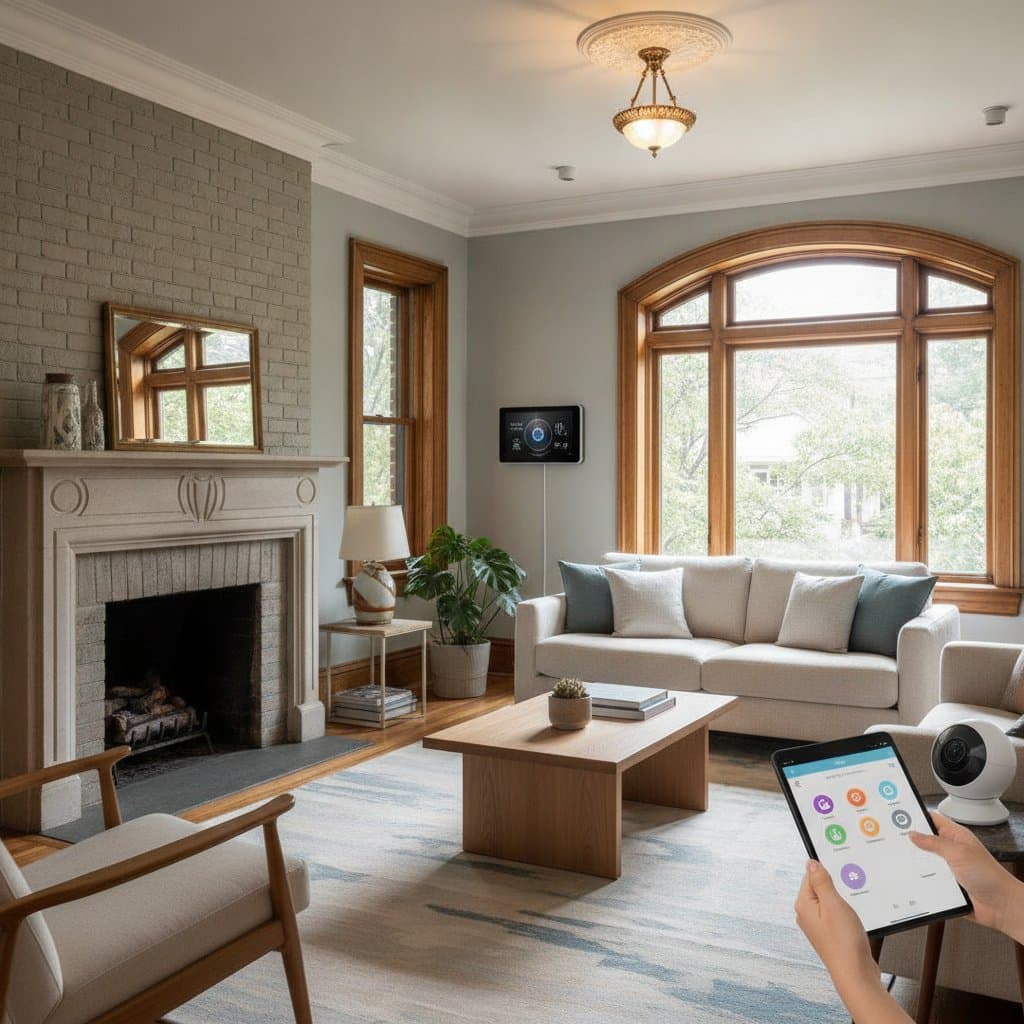
Smart blinds connect to a home network and adjust automatically based on time, light levels, or even a daily routine. Users control them through voice assistants, smartphone apps, or programmed schedules. Some models use built-in light sensors to track the intensity of natural sunlight. Others link to weather data to anticipate the day brightness.
The new generation of smart blinds focuses on circadian lighting. Instead of simply opening or closing at set times, they adjust dynamically to replicate natural light rhythms. Morning light exposure becomes gradual and energizing. Midday brightness stays moderated for comfort. Evening dimming signals the body to wind down for rest.
A Practical Solution to Seasonal Affective Disorder
SAD causes real disruptions in sleep, appetite, and motivation. Traditional treatments often include light therapy boxes that simulate daylight. While effective, they require active use each morning. Smart blinds offer a passive yet consistent approach by bringing sunlight into living spaces automatically.
Imagine waking to blinds that slowly open as the sun rises. A room fills with soft light that tells the body it is time to start the day. Throughout the morning, the blinds adjust to maintain brightness that keeps a person alert without glare. As evening approaches, they lower gradually. This pattern supports the body transition toward rest. It aligns with circadian rhythm and helps counter hormonal imbalances linked to SAD.
The Science Behind Circadian Lighting
Circadian lighting systems support the body internal clock by adjusting light color and intensity over time. Cool, bright light in the morning promotes alertness. Warmer tones in the evening encourage relaxation. Although smart bulbs have performed this function for years, integration with smart blinds brings the natural environment into the equation.
Natural sunlight carries a full spectrum of wavelengths that artificial lighting struggles to replicate. By controlling how much of that light enters a home, smart blinds create a more authentic and health-supportive environment. Studies suggest that consistent morning light exposure can reduce depressive symptoms and stabilize sleep cycles, especially during darker months.
Examples of Smart Blinds Supporting Wellness
Several companies push this innovation forward. Smart home brands now offer blinds that connect with voice assistants and adapt to a user schedule. Some models use light sensors that detect when the sky is bright enough to open automatically. Others integrate with wellness apps that track sleep quality and mood.
One leading manufacturer introduced blinds that pair with a circadian lighting algorithm. The system learns local sunrise and sunset times. It then adjusts to deliver balanced light exposure throughout the day. Users report feeling more energized in the mornings and more relaxed at night. This outcome signals improved circadian stability.
Another company developed blinds that sync with smart lighting systems. When the blinds open in the morning, lights dim to let in natural sunlight. In the evening, as the blinds close, the lighting shifts to a warm amber glow. This seamless coordination creates a calm, predictable rhythm that supports emotional balance.
Setting Up Smart Blinds for Wellness
Installing smart blinds can prove simpler than most expect. Some systems retrofit onto existing window shades. Others come as complete motorized units. Once installed, they connect to a preferred home assistant or automation hub.
To maximize wellness benefits, consider these setup strategies:
- Match blinds to a daily rhythm. Program them to open gently around a usual wake-up time. Gradual light exposure helps the body transition naturally from sleep to alertness.
- Leverage weather data. Many apps allow blinds to respond to cloud cover or sunlight intensity. On gray days, they can open wider to bring in as much light as possible.
- Coordinate with smart lighting. Pair blinds with circadian bulbs for a consistent light experience even after sunset.
- Prioritize key spaces. Bedrooms and living rooms serve as ideal starting points since they influence morning and evening routines the most.
- Track progress. Some smart home platforms provide analytics about light exposure. Use this data to fine-tune settings for better mood and sleep outcomes.
The Broader Wellness Trend in Smart Homes
Smart home technology evolves rapidly from convenience-driven gadgets to wellness-focused systems. Air quality sensors, sleep-tracking mattresses, and circadian lighting setups redefine what it means to live in a connected home. The move toward adaptive environments reflects a growing understanding that technology should anticipate and support human needs.
Smart blinds fit this philosophy. They use automation not only to simplify life but to make it healthier. By aligning light exposure with natural biology, they help counter the effects of artificial living patterns that keep people indoors and under static lighting for most of the day.
Analysts predict continued growth in this category as consumers seek solutions that merge comfort, energy efficiency, and wellness. Surveys already show that many homeowners are willing to invest more in smart systems that contribute to better sleep and stress reduction. The emotional benefits of balanced lighting become as valued as the practical perks of energy savings or remote control.
Overcoming Barriers to Adoption
While the benefits stand clear, cost and compatibility can still deter some buyers. Smart blinds tend to cost more than standard window coverings. Yet prices drop gradually as materials and motors become more efficient. Integration with universal platforms also improves, which means fewer frustrations during setup.
Manufacturers address accessibility by introducing modular kits that motorize existing blinds. This approach makes it easier for renters or budget-conscious users to participate in the wellness lighting movement without a full renovation. As smart home standards mature, expect installation to feel as straightforward as adding a smart bulb or plug.
Practical Steps Toward Better Daily Light
The rise of smart blinds marks an exciting shift in how people think about technology and well-being. Instead of adding more screens or digital stimulation, this trend focuses on something elemental: light. By syncing living spaces with natural rhythms, users can reduce the mental strain that comes with long dark seasons and unpredictable work schedules.
For anyone who has felt the winter blues or struggled to maintain energy when daylight fades, smart blinds offer a gentle yet meaningful solution. They bring the outdoors in and create an environment that nurtures both body and mind.