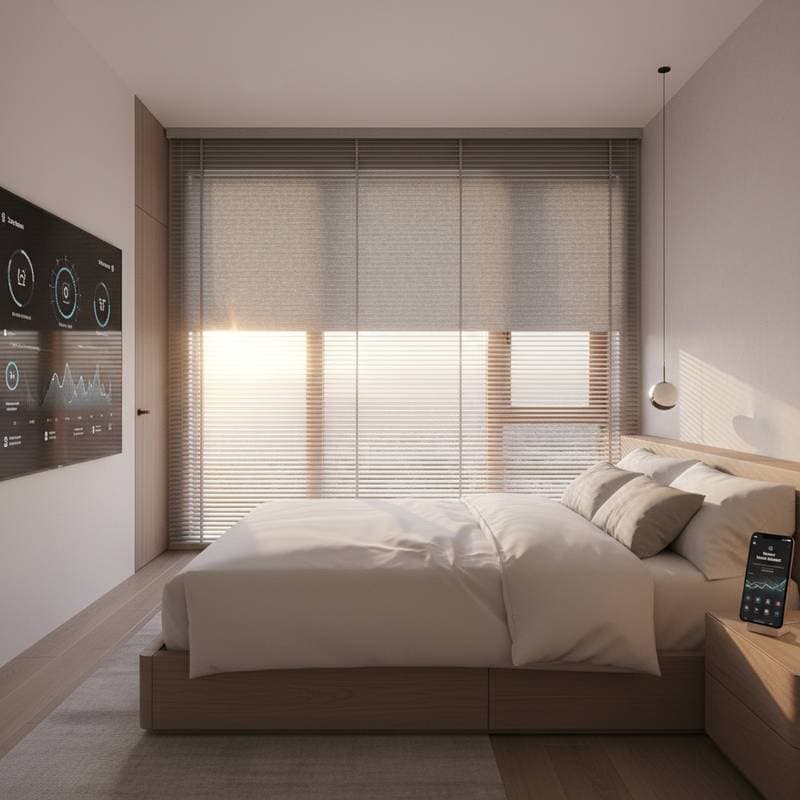
Smart Blinds Align with Sleep Patterns for Better Rest
Smart homes now feature devices that learn and adapt to daily routines. These innovations quietly enhance well-being. Leading this trend are smart blinds that synchronize with sleep patterns, harmonizing natural light management with human biology. Users wake refreshed and fall asleep with ease, evolving window coverings into precise wellness tools.
Light's Impact on the Circadian Rhythm
Light profoundly influences sleep quality, yet many overlook this connection. The circadian rhythm relies on consistent light and dark cycles. Morning brightness prompts cortisol release for alertness, while evening darkness stimulates melatonin for relaxation. Disruptions from artificial sources or erratic schedules cause insomnia and fatigue.
Smart blinds restore this balance through automation. They adjust according to time, ambient light, and personal sleep data. This approach provides health benefits grounded in biological principles, extending beyond mere convenience.
Learning from Sleep Data
Advanced smart blinds connect to wearables and tracking apps. They gather details on sleep onset, duration, and wake times. From this information, the system develops a custom light schedule. For instance, if data shows a sunrise wake-up, blinds open gradually beforehand to introduce soft daylight.
In the evening, blinds close to shield against disruptive blue light from external sources. This process operates seamlessly, replicating evolutionary light patterns regardless of urban living or variable weather. Certain models reposition dynamically to optimize exposure without user intervention.
Benefits for Daily Health
Inadequate sleep contributes to concentration lapses and immune vulnerabilities. Smart blinds target light timing, a key yet neglected aspect of sleep hygiene. Picture rising without an alarm as the room brightens in sync with lighter sleep phases, fostering a smooth and invigorating start.
Shift workers benefit from simulated day-night cycles. These adaptations maintain rhythm stability during off-hours sleep. Outcomes include superior rest and steady energy throughout the day.
Leading Smart Blind Systems
Various brands advance smart blind capabilities. Integration with voice assistants enables hands-free control. Compatibility with home ecosystems allows coordination with thermostats or sensors for refined operation. If a thermostat notes early sleep, blinds close promptly to deepen darkness.
Companies such as Lutron, Eve, and Hunter Douglas offer adaptive controls. Startups innovate with biometric-responsive designs, like bands that signal blinds during sleep transitions. Such features elevate personalization in home automation.
Scientific Foundations of Light Management
Chronobiology research underscores circadian alignment's value. Bright morning light enhances sleep quality and emotional stability. Evening artificial light delays melatonin and shortens deep sleep. Smart blinds regulate both, filtering daytime rays and blocking nighttime intrusions for consistent support.
This alignment benefits broader physiology, from digestion to hormones. Blinds serve as environmental stewards, syncing surroundings to internal clocks for comprehensive wellness.
Seamless Ecosystem Integration
Smart blinds thrive within interconnected setups. Paired with lighting and climate controls, they form cohesive wellness networks. Opening blinds might prompt cooler temperatures to aid alertness, while evening closures pair with warm lighting to promote calm.
This synergy turns homes into proactive allies. Devices anticipate rather than react, creating fluid experiences. Over time, learning refines this collaboration for effortless daily flow.
Addressing Adoption Challenges
Motorized blinds carry higher costs, particularly for whole-home use. Interoperability issues and privacy concerns with cloud data deter some users. Solutions include modular designs and on-device processing to minimize external reliance.
Retrofit options upgrade existing setups affordably. These developments broaden access, building trust through security and simplicity.
The Natural Wake-Up Process
Consider retiring to a pitch-black room. As dawn nears, blinds part to admit gentle light, intensifying slowly. The body stirs naturally, eyes opening to clarity without disruption. This method shifts sleep tech toward nurturing, with homes actively supporting vitality.
Tailoring to Individual Needs
Customization suits diverse lifestyles. Family schedules align children's room light for routine building. Office setups maintain focus with steady illumination. Travelers access remote controls to preserve home rhythms.
Seasonal modes maximize winter light against lethargy or shield summer glare. Efficient light use also cuts energy needs, blending health with practicality.
Rising Demand for Wellness Integration
Surveys indicate surging interest in recovery-focused tech. From trackers to adaptive lights, these tools gain traction. Smart blinds merge aesthetics with function in this landscape, driving market growth toward balanced tech-nature fusion.
Bundled offerings with complementary devices promote holistic setups, prioritizing sustained health over isolated features.
AI-Driven Predictive Adjustments
AI analyzes trends in sleep, weather, and seasons for proactive patterns. Systems might extend winter mornings based on extended rest habits. This foresight delivers intuitive harmony, diminishing manual oversight.
Energy Savings from Light Optimization
Blinds enhance sustainability by modulating sunlight for thermal control. Daytime admission warms spaces; nighttime closure insulates. Reduced reliance on HVAC and lamps lowers costs.
Solar options and eco-materials align with green smart home trends, emphasizing mindful resource use.
Building Restorative Living Spaces
Restful homes now encompass biological synchronization beyond quietude. Smart blinds advance this by fostering light-health links. As they normalize alongside staples like thermostats, homes evolve into therapeutic sanctuaries, where light heals and connects.