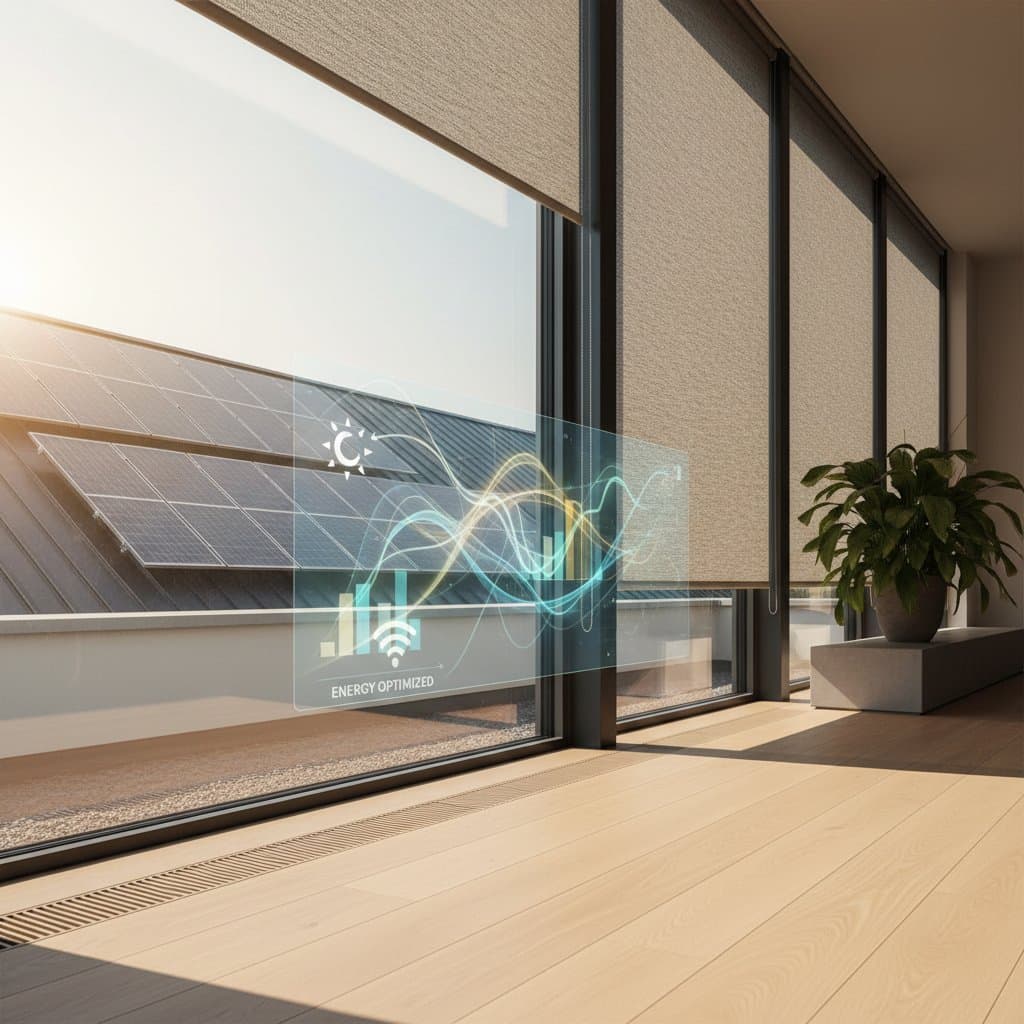
Smart Blinds Automatically Optimize Solar Panel Performance
Contemporary smart homes extend far beyond basic voice commands and interconnected lighting. The latest advancements focus on how residences engage with natural sunlight. Smart blinds, previously viewed as mere enhancements for convenience, now integrate with rooftop solar installations to adjust positions for superior energy efficiency. This combination of automation and renewable sources reshapes the definition of an intelligent dwelling.
Balancing Indoor Comfort and Outdoor Solar Generation
Solar panels depend on unobstructed sunlight to produce electricity, yet that same sunlight can elevate indoor temperatures excessively or generate glare that increases air conditioning usage. Conventional blinds address these problems through manual operation, but they frequently demand compromises. Shutting them prematurely in cooler months blocks beneficial solar warmth, while keeping them open extendedly in warmer periods heightens cooling requirements.
Homeowners previously faced decisions between personal comfort and energy production. Current smart blinds, linked to solar setups, eliminate such dilemmas. These devices process information from interior conditions and solar arrays to achieve optimal shading, temperature regulation, and light penetration.
Mechanisms of Synchronization Between Smart Blinds and Solar Systems
Advanced smart blinds interface directly with solar energy controllers. Equipped with built-in sensors for light intensity and ambient temperature, they monitor shifting solar angles across the day and reposition accordingly. Certain configurations incorporate meteorological data to foresee conditions like partial cloudiness or prolonged heat, enabling proactive adjustments.
During peak midday hours, the blinds might angle open minimally to sustain natural illumination indoors without causing discomfort from glare. Simultaneously, they preserve clear access for rooftop panels to capture full sunlight. As the sun descends in the afternoon, the blinds realign to minimize heat influx while upholding consistent panel performance.
Central to this coordination is a unified home automation controller that links the blinds, solar inverters, and climate controls. This setup evaluates data against predefined energy objectives, creating a responsive habitat that prioritizes both occupant well-being and renewable output.
Practical Advantages for Residential Users
Homeowners experience tangible short-term gains alongside enduring fiscal and ecological rewards from solar-optimized smart blinds. These systems lower utility expenses via multiple channels:
- Enhanced Solar Production - Maintaining panel exposure during optimal periods supports reliable electricity generation.
- Diminished Cooling Requirements - Precise shading maintains cooler interiors, reducing reliance on mechanical cooling.
- Superior Light Management - Adaptive positioning decreases the need for supplemental electric lights in daytime.
- Prolonged Durability of Assets - Stable temperatures shield furnishings, surfaces, and devices from heat damage and ultraviolet rays.
Research conducted by a prominent energy analytics organization indicates that automated shading solutions can decrease cooling consumption by up to 25 percent in high-temperature regions. Paired with solar installations, such measures accelerate the return on renewable investments.
Implementations from Leading Innovators
Prominent smart home manufacturers are pioneering cohesive solar-shading frameworks. Brands offering both photovoltaic arrays and automated window treatments provide centralized mobile applications. Users access live metrics illustrating the impact of shading decisions on power yields.
In progressive architectural endeavors, networked blind arrays manage sunlight across building levels. These synchronized mechanisms ensure rooftop solar systems operate at maximum capacity while preserving uniform comfort indoors. Such deployments pave the way for structures that produce surplus energy beyond their operational needs.
Advancements in AI for Anticipatory Shading
Artificial intelligence increasingly shapes the functionality of smart blinds within solar contexts. Learning algorithms analyze daily routines, regional climate patterns, and generation statistics to determine ideal configurations in advance. Rather than merely responding to current conditions, the system forecasts them, refining operations over time.
Consider a typical day: Blinds partially lift at dawn to admit gentle morning light as panels initiate energy capture. With rising heat, they incrementally close to preserve comfort levels without impeding solar intake. Toward dusk, they modulate once more to retain evening warmth. This forward-thinking approach elevates static elements into proactive contributors to energy dynamics.
Contributions to Environmental Stewardship
The appeal of this technology surpasses everyday utility, extending to substantial ecological advantages. By curbing total household power needs, automated shading frees more solar-generated electricity for battery storage or community grids. In areas with collective solar initiatives, broad implementation of these blinds could mitigate demand spikes on sweltering days, fostering grid reliability.
Moreover, the systems cultivate greater energy mindfulness among users. Real-time visualizations of how shading influences production prompt more deliberate usage patterns. This engagement deepens commitment to renewables and informs broader lifestyle adjustments.
Compatibility Within Expanded Smart Networks
Effective solar optimization through smart blinds hinges on fluid connectivity with complementary technologies. Evolving protocols facilitate effortless pairing with heating systems, illumination controls, and power monitors from diverse providers. This openness empowers users to tailor configurations without vendor restrictions.
Advancing Toward Integrated Energy Management
The integration of smart blinds with solar panels marks a significant progression in residential automation. It merges energy oversight with environmental responsiveness, illustrating the trajectory of interconnected habitats.
As these solutions gain traction, their role in standardizing new constructions becomes evident. Residences that actively collaborate with natural elements, beyond mere user directives, transition from concept to commonplace reality.