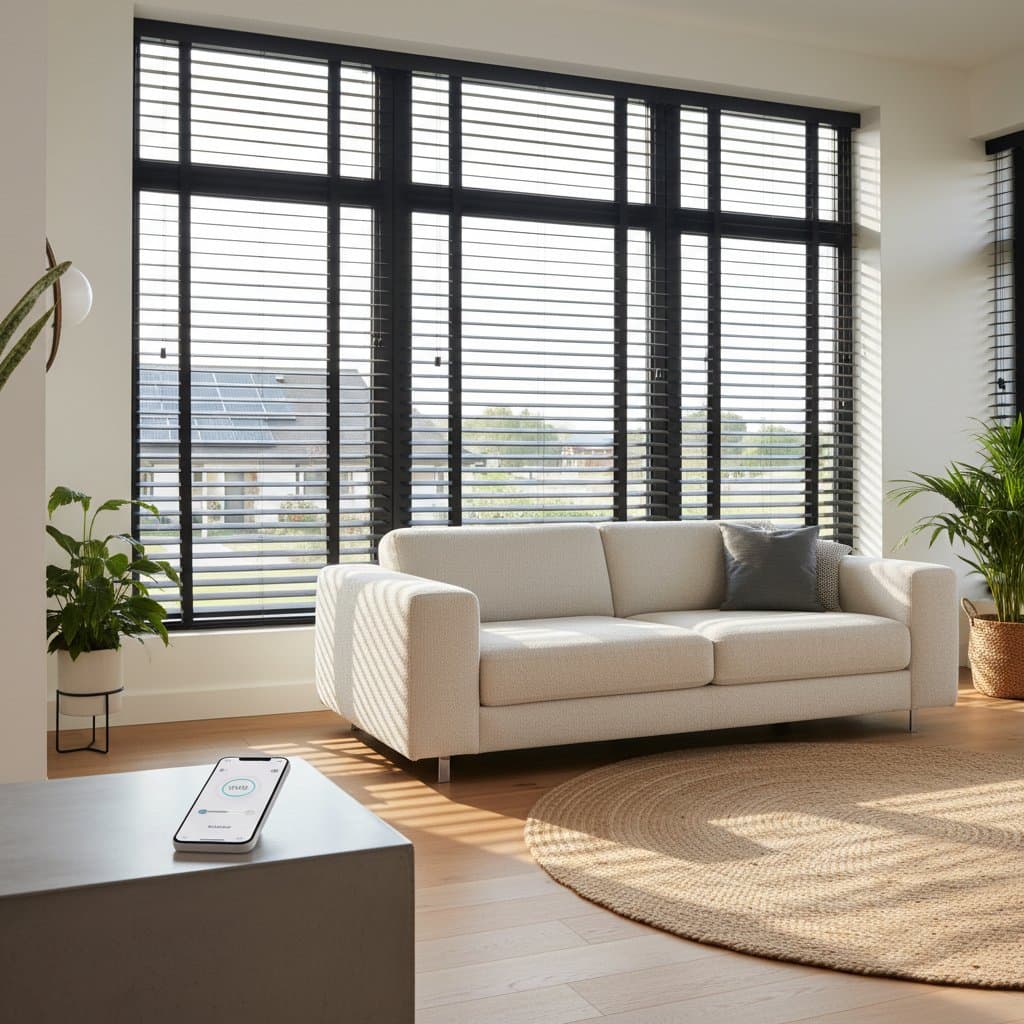
Smart Blinds Sales Surge 300 Percent as Prices Drop Below $50
Smart home technology now prioritizes broad accessibility. Motorized blinds and shades, once confined to upscale residences, emerge as a leading category in home automation. Market reports indicate a remarkable 300 percent increase in sales, coinciding with prices that dip under fifty dollars. This development underscores a movement toward budget-friendly automation, which combines user-friendly operation, enhanced comfort, and reduced energy consumption for typical households.
Factors Propelling the Rise of Smart Blinds
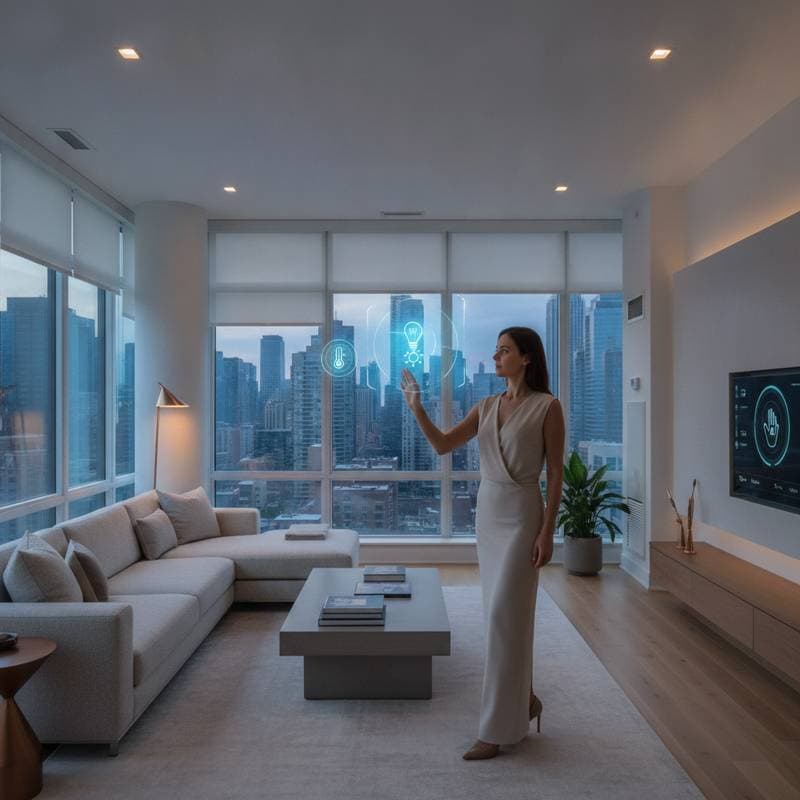
Smart blinds extend beyond elite installations. Users manage light exposure and privacy via smartphone applications, voice-activated systems, or automated timetables. Their integration into routines stands out: picture shades rising gradually with the morning sun to ease awakening, or descending at evening to maintain cooler interiors.
Advancements in production efficiency and compatibility with established smart home platforms accelerate this growth. At prices below fifty dollars, individuals automate essential window treatments without electrical modifications or expert assistance. Industry experts highlight how this affordability expands access to renters and cost-aware homeowners, who once dismissed smart blinds as unattainable.
Practical Advantages for Daily Use
Advantages extend past basic ease. Smart blinds maintain consistent indoor climates by deflecting daytime heat and preserving nighttime warmth, which lowers electricity costs and environmental impact. For households, these features translate to reduced monthly bills and a lighter ecological burden.
They also bolster privacy and safety measures. Automated movements simulate occupancy, deterring potential intruders during absences. Integration with routines adds value: program adjustments aligned with solar cycles, or issue commands through devices such as Amazon Alexa or Google Home. Such capabilities foster effortless, intuitive home environments.
Product Innovations Fueling Market Expansion
Companies including SwitchBot, Zemismart, and IKEA introduce economical smart shade options. Certain models feature attachable motors that convert standard blinds into automated ones swiftly. These entry-level products draw in newcomers to smart technology, allowing tests without extensive system overhauls.
Reviewers commend the user-centric design. Installation often requires no specialized tools; simply secure the device, pair it via a mobile application, and link to wireless networks in under ten minutes. This accessible approach explains the swift market penetration.
To illustrate, consider a typical setup: attach a compact motor to an existing corded blind, download the companion app, and follow on-screen prompts for calibration. Within moments, voice controls activate, and schedules sync with weather data for optimal light management. Such steps make experimentation straightforward and rewarding.
User Experiences and Industry Insights
Recent polls reveal high approval among those introducing smart blinds as their initial automation venture. Respondents emphasize the blend of enhanced comfort, precise oversight, and financial benefits, often leading to further smart device acquisitions. This pattern aligns with sector-wide observations: initial conveniences spark interest, while low costs prompt commitment.
One common feedback theme involves energy savings. Users report noticeable drops in cooling expenses during summer, as blinds automatically shield against intense sunlight. Security enhancements also resonate, with remote monitoring via apps providing peace of mind for remote workers or travelers.
Integrating Budget Automation into Home Routines
The boom in smart blind sales demonstrates how technological progress democratizes when costs decline. Intensifying competition among manufacturers promises diverse options in aesthetics, dimensions, and connectivity features. Smart enhancements now permeate rentals and modest dwellings, not just luxury properties.
Individuals seeking modest improvements to streamline routines will find affordable smart blinds an ideal starting point. These solutions automate every window, affirming that intelligent home features require no extravagant investment.